What is a Beer Machine and How Does It Work?
Beer Machines have revolutionized home brewing, making it accessible to many. They allow beer enthusiasts to create their own unique brews with ease. Imagine the satisfying experience of crafting a refreshing beer right in your kitchen.
These machines come equipped with various features. Temperature control ensures optimal fermentation, while automated processes simplify brewing steps. Some models even have built-in recipes, helping beginners start their brewing journey with confidence. However, not all beer machines are created equal. Some users may find it challenging to perfect their recipes, leading to inconsistent results.
Understanding how a beer machine works can enhance your brewing experience. It combines science and art, requiring attention to detail. It's easy to overlook the small elements that contribute to great beer. A beer machine offers the chance to explore flavors and techniques, yet mistakes may happen along the way. With practice and patience, anyone can refine their brewing skills, paving the way for fantastic home-crafted beer.
What is a Beer Machine? An Overview of the Device
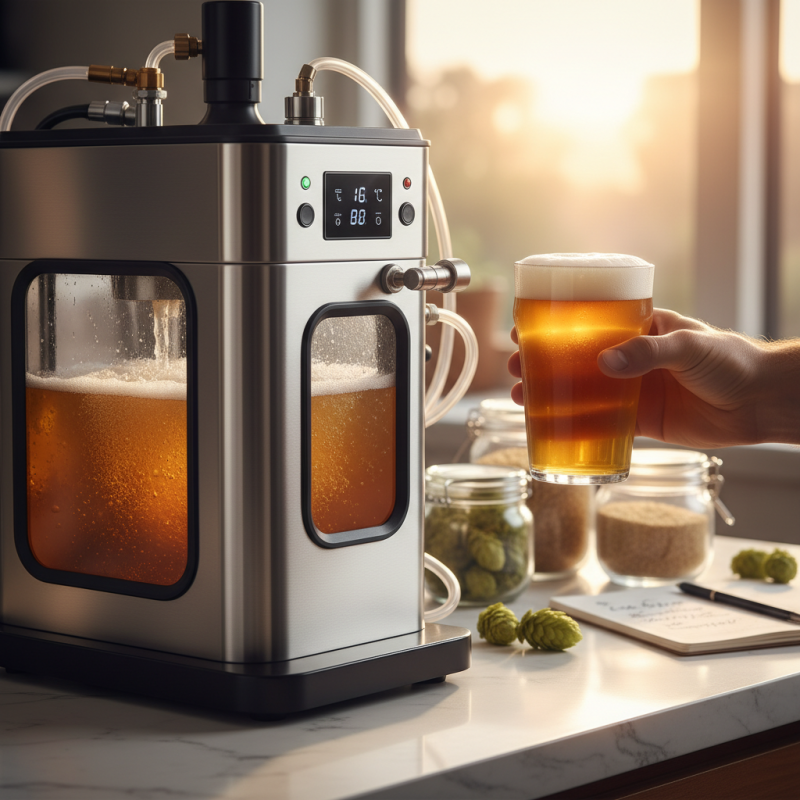
A beer machine is a fascinating device designed for brewing beer at home. This gadget simplifies the complex brewing process, making it accessible for enthusiasts and casual drinkers alike. Typically, it combines ingredients like malt, hops, and yeast to create beer through fermentation. The machine controls temperature and timing automatically, ensuring a consistent brew every time.
Using a beer machine can be quite enjoyable. However, careful attention is needed. Keeping the machine clean is essential to avoid unwanted flavors. Fermentation times can vary, sometimes leading to over or under fermentation. This part of the process can reflect on the beer's taste.
Tips for success: Monitor the temperature throughout brewing. Too hot or too cold can spoil the batch. Also, sample your beer at different stages. This practice can inform you about flavors developing during fermentation. By reflecting on these experiences, you can improve your skills and achieve better results.
The Components of a Beer Machine and Their Functions
A beer machine is an innovative device designed for home brewing. Understanding its components is crucial for grasping how it works. At its core, a beer machine typically includes a fermentation tank, a cooling system, and a dispensing unit. The fermentation tank is where the magic begins. Yeast converts sugars into alcohol, a fundamental step in beer production. This tank must be monitored closely to ensure the right temperature and pressure.
Next, the cooling system plays a vital role. It maintains a consistent temperature, which affects the fermentation process. Fluctuations can lead to off-flavors or stalled fermentation. A reliable cooling system ensures that the beer develops its intended taste and aroma. The dispensing unit is where the finished product is enjoyed. It should be user-friendly and capable of serving different styles of beer.
However, operating a beer machine can present challenges. Not every batch will turn out perfect, and mistakes can be part of the learning curve. Ingredients must be fresh and properly measured. A slight miscalculation can lead to unexpected results. Experimentation is a key aspect of brewing, but it requires patience and careful observation. Balancing these components ultimately leads to better brewing experiences.
Components of a Beer Machine and Their Functions
How a Beer Machine Brews Beer: A Step-by-Step Process
A beer machine is a compact device that simplifies the brewing process. It allows homebrewers to create fresh beer with minimal effort. Understanding how it works can enhance the brewing experience.
The brewing process begins with malted grains, usually barley. These grains are crushed and steeped in hot water, activating enzymes to convert starches into sugars. This step is crucial as it directly affects the beer’s sweetness and body. Once the grains are removed, the liquid, now called wort, is boiled. Hops are added during this stage for flavor and aroma.
After boiling, the wort cools down before yeast is added. Yeast is the magic ingredient that ferments the sugars into alcohol and carbon dioxide. This fermentation phase can last several days to weeks. The beer machine carefully regulates temperature, ensuring optimal fermentation. Some machines offer guided recipes for beginners, making the process easier to navigate.
Tips: Always sanitize equipment before brewing. Contamination can ruin your batch.
After fermentation, the beer can be kegged or bottled. Many homebrewers struggle with carbonation levels, leading to either flat or overly fizzy beer. A good practice is to measure the sugar added before bottling. Tracking your fermentation can also help identify potential issues, ensuring better results in future brews.
What is a Beer Machine and How Does It Work?
| Process Step | Description | Duration | Temperature |
| Mashing | Mixing crushed malt with hot water to extract sugars. | 60 minutes | 65-68°C |
| Boiling | Heating the mixture and adding hops for bitterness and aroma. | 60 minutes | 100°C |
| Fermentation | Adding yeast to convert sugars into alcohol and CO2. | 7-14 days | 18-24°C |
| Conditioning | Mature the beer for improved flavor and stability. | 2-4 weeks | Varies |
| Packaging | Filling bottles or kegs with finished beer. | 1-2 days | N/A |
Types of Beer Machines Available on the Market
Beer machines come in various types, each offering unique features for brewing enthusiasts. One popular type is the home brewing machine, designed for making small batches. These machines simplify the process, allowing users to craft beers with minimal effort. They automate several steps, including mashing and fermentation, making it accessible to beginners.
Another category is the counter-pressure bottle filler. This is often used in breweries to fill bottles without losing carbonation. It's an essential tool for maintaining the quality of the beer. However, using it effectively requires practice. Misfuelling can lead to wasted beer or excessive foam.
Lastly, there are kegging systems, which are favored by those who enjoy storing and serving draft beer at home. They offer a convenient way to keep beer fresh. However, understanding the use of gas pressure and CO2 levels takes a bit of learning. Many new users face challenges in balancing these elements, impacting the final taste. Each type has its learning curve, posing opportunities for both fun and frustration.
Benefits and Limitations of Using a Beer Machine at Home
Using a beer machine at home can bring a unique experience. One of the major benefits is convenience. You can brew fresh beer at any time, without needing to visit a store. Beer machines often have user-friendly interfaces. This makes the brewing process simpler. Yet, there can be a learning curve. New users may face challenges in getting their recipes just right. Experimentation is often needed for the best results.
Homebrewed beer from a machine can be of high quality. The taste can be fresher and more personal. However, the initial cost of these machines can be a limitation. They may not be affordable for everyone. Additionally, maintenance requires attention. Cleaning the machine is crucial for great flavor. Neglect can lead to off-tastes, which can be frustrating. Users must find a balance between ease and effort.
Flavor variety is another aspect worth considering. Many beer machines allow for different styles of beer. Yet, some users may feel confined to the machine's preset options. Experimenting beyond these presets can be difficult. Overall, while beer machines offer exciting opportunities, they require commitment and patience.