Top 10 Benefits of Using a Spray Painting Line?
In the world of manufacturing, a Spray Painting Line is an essential tool. Renowned industry expert John Smith states, "Efficiency in production is all about the right setup." This rings true when examining the advantages of using a Spray Painting Line.
A well-designed Spray Painting Line can elevate product quality significantly. It ensures a smooth and even application of paint. Additionally, the automation aspect reduces labor costs and minimizes errors. While these benefits are clear, some businesses hesitate to adopt this technology. Concerns over initial investment and potential downtime are common.
Yet, the long-term gains often outweigh these fears. Enhanced output and consistent finishes lead to higher customer satisfaction. As companies adapt, they discover that a Spray Painting Line is not just a tool—it’s an investment in the future. Embracing this technology could mean the difference between staying stagnant and thriving in a competitive market.
Benefits of Increased Efficiency in Production with Spray Painting Lines
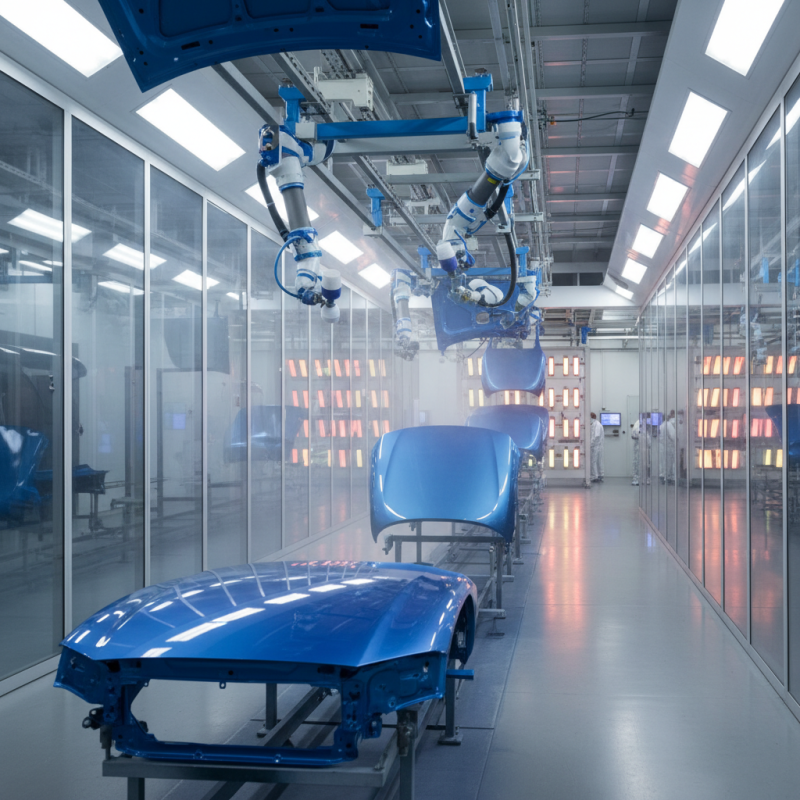
Spray painting lines can significantly enhance production efficiency. By automating the painting process, companies can reduce manual labor. This shift allows for faster turnaround times, helping businesses meet tight deadlines. Machines deliver consistent and uniform finishes. Workers focus on other important tasks instead of tedious painting.
The precision of spray painting lines minimizes paint wastage. This not only saves money but also reduces environmental impact. However, achieving the perfect coating can sometimes be tricky. Variations in temperature and humidity can lead to imperfections. Businesses must continually monitor conditions to maintain optimal results. Adjustments may require additional training for staff, which could temporarily slow down operations.
Efficiency gains come with challenges. Balancing speed with quality is crucial. Settings must be adjusted to adapt to different materials. While efficiency is key, overlooking these details may lead to costly mistakes. Being aware of these potential pitfalls ensures smoother operations. A thoughtful approach to using spray painting lines can yield impressive results.
Enhanced Surface Quality and Finish Achieved through Automation
Automation in spray painting lines leads to superior surface quality and finishes. A report by the International Journal of Advanced Manufacturing Technology indicates that automated systems can achieve a coating thickness variance of just 3 microns. This precision minimizes defects like drips or uneven textures. The result is a smoother finish that enhances both aesthetic appeal and durability.
Another study from the Society for Protective Coatings shows that automated spray painting lines reduce rework rates by about 30%. With less manual intervention, the consistency of coatings improves. However, not every system is perfect. Occasionally, automation can misinterpret surface conditions, leading to inconsistent application. Such discrepancies highlight the need for ongoing calibration and maintenance.
Moreover, automated systems can create overspray issues that affect environmental compliance. Companies must balance efficiency with the ecological footprint of their operations. While automation enhances quality, it also brings challenges that require attention. Adjustments and training are vital for achieving the best results while navigating the complexities of advanced spray painting technologies.
Reduction of Material Waste through Precise Paint Application
Spray painting lines are known for their efficiency, but one of the standout benefits is material waste reduction. Precise paint application ensures that only the necessary amount of paint is used. This targeted approach limits overspray, which can be both messy and costly. When paint lands on unintended surfaces, the expense adds up quickly.
Moreover, automating the spray process can lead to consistency that manual methods often lack. Each item receives an even coat, enhancing the overall finish and durability. Even slight variations in application can lead to excess waste. It's crucial to maintain calibration and monitor the system regularly.
However, there are aspects that still require attention. For instance, the initial setup of a spray painting line can be complex. Training operators to handle the technology effectively is vital. If not managed well, user errors could negate the benefits gained from precise application. Fine-tuning the equipment and ensuring a smooth workflow can be an ongoing challenge.
Minimized Labor Costs and Improved Workplace Safety with Automated Solutions
Automated spray painting lines are revolutionizing the manufacturing landscape. One major benefit is minimized labor costs. A report from the National Association of Manufacturers highlights that automation can reduce labor expenses by up to 40%. This significant reduction allows companies to allocate resources to other critical areas.
Improved workplace safety is another key advantage. A study by the Occupational Safety and Health Administration found that workplaces adopting automated systems saw a 50% decrease in accidents. This is crucial because safety incidents can lead to costly workers' compensation claims and lost productivity.
Automated solutions help mitigate risks by removing workers from hazardous environments.
However, transitioning to automated systems isn't without challenges. Some may struggle with the initial setup cost and training employees to use new technology effectively. The learning curve can be steep, leading to temporary disruptions. A balanced approach is necessary. Adopting automation should include thorough planning and ongoing evaluation to identify areas for improvement. It’s essential to ensure that safety measures remain effective even during this transition.
Flexibility and Customization Options in Spray Painting Line Configurations
The flexibility of a spray painting line is one of its key advantages. Manufacturers can easily adjust configurations. This adaptability allows for different products and materials. Various paint types can be applied without significant downtime. Modifying the system for new projects is often straightforward. Operators appreciate this ease of change.
Customization options extend beyond configuration. Businesses can choose between different spray techniques. These can affect the thickness and texture of the paint. Some techniques work better with specific materials. The ability to fine-tune processes is critical. It allows for unique designs and finishes that stand out.
However, flexibility comes with challenges. Some users may find it hard to optimize settings. Inconsistent results can occur without careful adjustments. Training might be necessary for operators to maximize efficiency. This aspect demands time and resources, yet it’s crucial for achieving desired outcomes. Effective customization enhances the overall productivity and appeal of the final product.