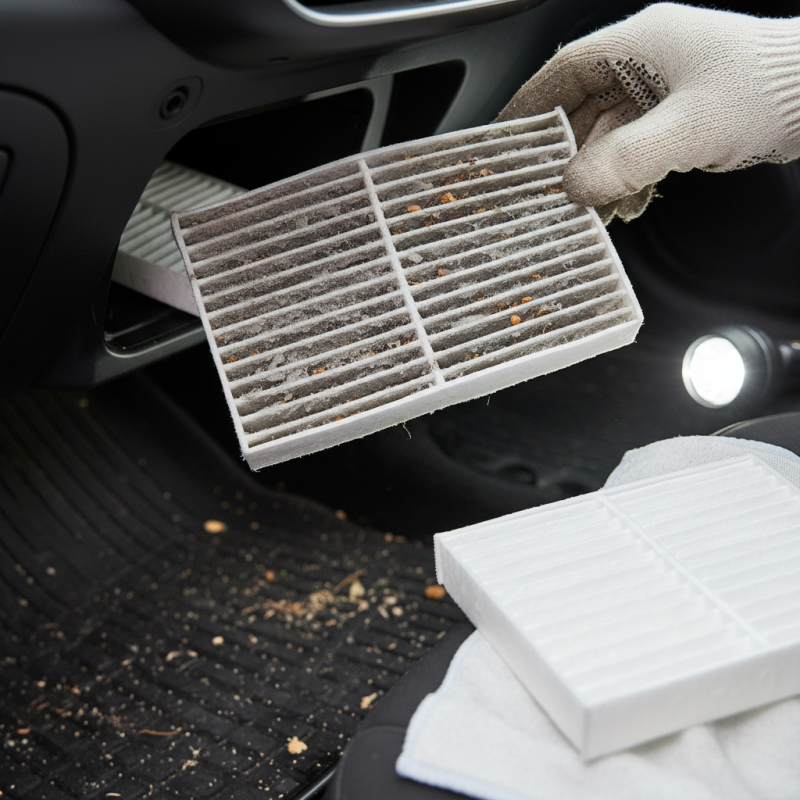
The Best Cabin Filter for Clean Air in Your Car?
When it comes to maintaining clean air in your vehicle, the Cabin Filter plays a crucial role. This often-overlooked component helps keep dust, pollen, and other pollutants at bay. You might not notice it until you start sneezing while driving. We often forget to check it regularly.
Choosing the best cabin filter can have a significant impact on your health and comfort. A good filter not only improves air quality but also can enhance your overall driving experience. However, not all filters are created equal. Some may provide better filtration, while others might be a waste of money.
If your vehicle's cabin filter is clogged, it can lead to musty odors and reduced airflow. That's definitely something to consider. The right cabin filter can make a difference, but it's essential to research and choose wisely. Remember, clean air starts with a good cabin filter.
Understanding the Importance of Cabin Air Filters in Vehicles
Cabin Air Filters play a vital role in maintaining a clean and healthy environment inside your vehicle. They filter out dust, pollen, and other pollutants from the air before it enters the cabin. A good filter can improve air quality dramatically, making your ride more comfortable and safe. Ignoring cabin air filters can lead to unpleasant odors and health issues, especially for those with allergies.
Regular maintenance is crucial. Filters should typically be replaced every 12,000 to 15,000 miles, but this can vary. Pay attention to signs like decreased airflow or an unusual smell. These may indicate that your filter needs changing.
**Tips:** Check the owner’s manual for the specific intervals suggested for your vehicle. Furthermore, consider inspecting your filter regularly during routine maintenance. Remember, a clean filter can enhance the performance of your HVAC system. Ensure it fits properly, as an ill-fitting filter can allow contaminants to enter the cabin. A neglected filter can lead to surprising problems down the line.
The Best Cabin Filter Effectiveness
This chart illustrates the air purification efficiency of various types of cabin filters used in vehicles. The data highlights the effectiveness of HEPA filters, which offer the highest efficiency, followed by electrostatic and activated carbon filters. Understanding these efficiencies can help car owners make informed decisions when selecting cabin air filters for cleaner air inside their vehicles.
Types of Cabin Filters: Comparing Materials and Efficiency
When considering cabin filters for clean air, the material significantly impacts efficiency. There are mainly three types: particulate filters, activated carbon filters, and HEPA filters. Particulate filters stop dust, pollen, and smoke. They capture particles but do little against odors. According to industry studies, they can trap 90% of particles larger than 10 micrometers.
Activated carbon filters are designed for better air quality. They not only capture particulates but also absorb odors. Reports indicate that they can effectively reduce unpleasant scents in the cabin. However, their lifespan is often shorter, and they require regular changes.
HEPA filters are the most efficient. They can capture at least 99.97% of particles as small as 0.3 micrometers. Yet, they can be pricier and may create more airflow resistance. Some users may find the performance trade-offs not worth the expense.
Tip: Monitor your filter’s condition every 6 months. A dirty filter reduces airflow and decreases HVAC system efficiency.
Tip: Choose a filter that matches your driving habits. Urban drivers may benefit more from activated carbon filters due to higher pollution levels. But those in rural areas might prioritize particulate filters for dust reduction.
Signs That Your Cabin Filter Needs Replacement
A cabin filter is essential for your vehicle's air quality. Over time, it can become dirty and clogged. This impacts the air you breathe inside your car. Noticing some signs can help you decide when it’s time for a change.
If you detect an unusual odor when the car is running, it might be the filter. A musty smell or even a chemical scent often signals a problem. When you notice reduced airflow from the air vents, your filter may be blocked. Try adjusting the fan speed; if it remains weak, a replacement could be necessary. Moreover, increased dust and particles settling inside your car often suggest that the cabin filter isn’t doing its job.
Keep an eye on your visibility too. If you see fog or discoloration on the glass, this might stem from a dirty filter. Even allergy symptoms can worsen inside a vehicle. A filter that needs replacement can let allergens in. Listening closely to your car's air system can save time and health concerns. Regular checks can help maintain a fresh cabin environment. Ignoring these signs might lead to bigger issues down the road.
Benefits of High-Quality Cabin Filters for Air Quality
High-quality cabin filters play a crucial role in improving air quality in vehicles. Research shows that nearly 70% of cars on the road have inadequate filtration systems. This leads to increased levels of dust, pollen, and pollutants inside the cabin. A good filter can capture up to 99% of harmful particles, making a significant impact on the air you breathe.
Beyond mere filtration, these filters can help reduce odors. Studies indicate that environments with poor air quality can lead to discomfort and fatigue among drivers. Drivers exposed to contaminants might find it hard to concentrate. Replacing cabin filters regularly can prevent such issues and contribute to a more pleasant driving experience. Yet, many drivers neglect this simple maintenance task.
While investing in a high-quality cabin filter may seem unnecessary, the benefits are substantial. Cleaner air enhances overall well-being on the road. Additionally, filters that trap more particles can alleviate allergy symptoms for sensitive individuals. However, drivers should also be mindful of the quality and maintenance of their filters. Not all filters provide the same level of protection, and choosing the right one can be confusing.
How to Choose the Right Cabin Filter for Your Vehicle
Choosing the right cabin filter for your vehicle is crucial. A good cabin filter can significantly reduce the level of airborne pollutants inside your car. Reports suggest that clean cabin air can improve driver concentration by up to 25%. Pollutants include dust, pollen, and exhaust gases. Selecting the right filter can ensure these are kept at bay.
When choosing a cabin filter, consider the type. Some filters only trap larger particles, while others offer activated carbon to absorb odors and harmful gases. An EPA study highlights that activated carbon filters can reduce volatile organic compounds by 50%. Think about your environment too. If you live in a high-pollution area, a premium filter might be worth the investment.
Installation matters. Not all filters fit every vehicle type. Refer to your vehicle’s manual for specifications. Regular maintenance is also essential. A dirty filter can lead to reduced air quality and strain your vehicle’s HVAC system. It is recommended to replace the cabin filter every 12,000 to 15,000 miles, but always check it more frequently. Sometimes, even clean-looking filters can be less effective than expected.