How to Buy High Quality Agricultural Castings for Your Needs?
When it comes to agriculture, the quality of equipment greatly affects productivity. Agricultural Castings play a crucial role in ensuring these tools function effectively. However, selecting the right castings can be challenging. Many buyers face this dilemma.
Understanding what constitutes high-quality agricultural castings is essential. The materials used and the manufacturing process matter. A reliable supplier should provide transparency about their practices. This builds trust and ensures you get the best products for your needs.
Yet, it's not just about finding the cheapest option. Sometimes, lower costs can translate to compromised quality. Exploring different suppliers and comparing their offerings is vital. Investigate their industry reputation and customer feedback. Take the time to assess what features matter most for your agricultural applications. Balancing cost with quality can be tricky, but it leads to better long-term results.
Understanding Agricultural Castings: Types and Uses
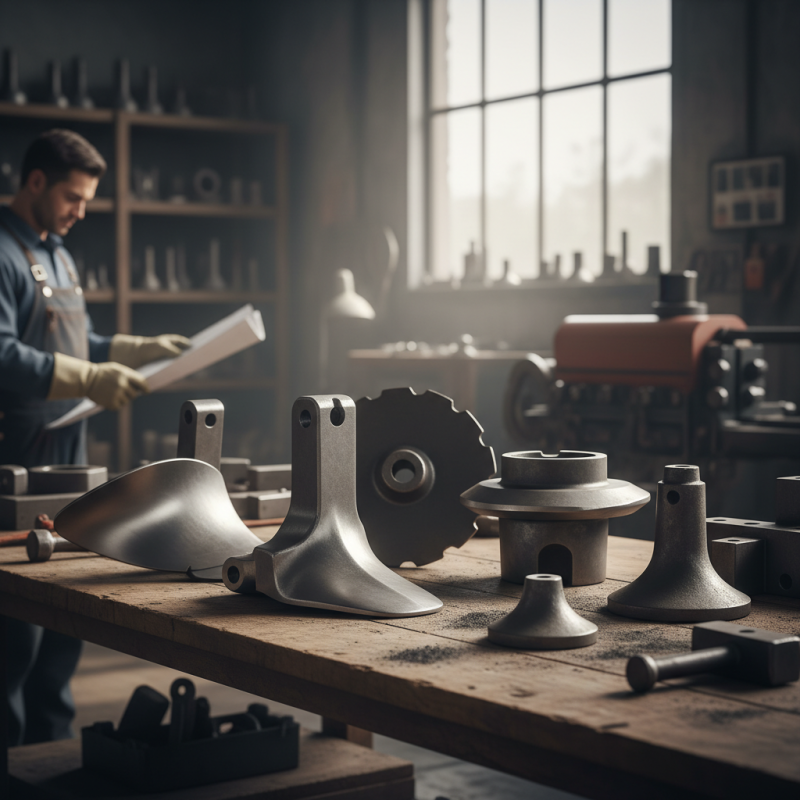
Agricultural castings are essential in modern farming. They play a critical role in machinery and equipment, which helps enhance productivity. These castings come in various types, including iron, aluminum, and steel. Each type offers different properties, making them suitable for specific applications. According to a recent market analysis, the agricultural casting market size is projected to grow significantly, reaching over $1.5 billion by 2025. This growth highlights the importance of utilizing high-quality materials.
When selecting agricultural castings, understanding their specific uses is crucial. For instance, iron castings are often used for heavy-duty applications. They provide durability and strength, making them ideal for plows and tillage equipment. On the other hand, aluminum castings are lighter and resistant to corrosion. They are commonly found in irrigation systems and lightweight machinery. Buyers must consider factors such as weight, durability, and cost-effectiveness. Increased demand for efficiency in agriculture necessitates a keen focus on these elements.
While there are many options in the market, not all suppliers meet high standards. Some might compromise quality for cost, leading to equipment failures. A study indicated that nearly 30% of agricultural machinery failures are linked to subpar materials. Therefore, it's essential to research suppliers carefully. Consider their certifications and past performance. Investing time in this process can lead to better decisions and, ultimately, more effective agricultural practices.
Key Factors to Consider When Selecting Agricultural Castings
When selecting agricultural castings, there are several key factors to consider. The quality of materials is paramount. High-quality castings often use durable materials. Check the specifications to ensure they meet your requirements. Look for options made from sturdy and reliable materials that withstand harsh agricultural conditions. It can be helpful to evaluate the environmental resistance of these materials, especially if they will face corrosion or extreme temperatures.
Another crucial aspect is the manufacturing process. The techniques used in casting can significantly affect durability and performance. Processes like sand casting or die casting have different implications for quality. Understanding these methods can guide you in making informed choices. Pay attention to any certifications that indicate adherence to safety and quality standards. This can enhance your confidence in the product's reliability.
Additionally, consider supplier reputation and customer feedback. A reputable supplier often provides insight into their production processes and quality control measures. However, not all suppliers will meet expectations. It’s essential to dig deeper into reviews and testimonials. This will give you a clearer picture of their reliability. Remember, even the best suppliers can have occasional quality control issues, so it’s wise to remain vigilant and reassess your choices regularly.
Evaluating Quality: Materials and Manufacturing Processes
When evaluating the quality of agricultural castings, consider both materials and manufacturing processes. High-quality castings begin with robust raw materials. Look for cast iron, aluminum, or steel, offering durability and resilience. Each material brings unique benefits, such as corrosion resistance or weight advantages. Being knowledgeable about these properties can enhance your selection process.
Manufacturing processes also play a crucial role. Techniques like sand casting and die casting affect the final product's strength and precision. Inspect the casting methods used. Did the manufacturer utilize proper temperature controls? Uneven mixing can lead to weak points. Pay attention to surface finishes too. A rough finish may indicate poor quality control.
It's essential to seek transparency from suppliers. Requesting detailed specifications can reveal potential flaws. Don’t shy away from asking for production certifications. Trustworthy manufacturers should be willing to provide evidence of their quality assurance practices. The right choices can significantly impact performance in your agricultural applications, despite the challenges faced during the selection process.
Where to Source High-Quality Agricultural Castings
When sourcing high-quality agricultural castings, it's crucial to consider multiple factors. Start with identifying reliable suppliers. You can explore local markets and agricultural trade shows. These venues allow direct interaction with manufacturers. In-person assessments can reveal much about a supplier’s integrity.
Additionally, online platforms can serve as valuable resources. Look for reviews and testimonials. Established community forums often discuss their experiences with various suppliers. Engaging in these discussions enhances your understanding of the market. Don’t overlook potential red flags, such as inconsistent feedback or complaints about product quality.
Lastly, consider the material specifications. Different agricultural applications require different casting qualities. Ensure that your chosen supplier can meet these specifications consistently. While some suppliers may promise the best quality, verify their claims through sampled orders. It’s always wise to start small before committing to larger purchases. Balancing quality, reliability, and cost can be challenging, but it's essential for long-term success in agriculture.
Tips for Comparing Prices and Services from Suppliers
When looking for agricultural castings, comparing prices and services from different suppliers is essential. Research shows that price variations can be significant, with some suppliers charging up to 25% more for similar products. Buyers should gather quotes from multiple suppliers to ensure competitive pricing. This step can save costs in the long run and help you allocate your budget more efficiently.
Quality assurance is another important factor. Not all suppliers offer the same level of service. Checking certifications and customer reviews can provide insights into their reliability. Reports indicate that 72% of customers prioritize quality over price. It’s crucial to evaluate how suppliers handle returns and warranties. A supplier’s responsiveness to inquiries can reflect their overall service quality.
Do not neglect the specifics of your requirements. Clearly defined specifications can avoid misunderstandings. Some suppliers may claim to meet industry standards but might not deliver on their promises. Think about the long-term implications as well. Cutting corners on quality can lead to increased costs down the road in repairs and replacements. Always weigh the potential hidden costs with initial savings before making a decision.
Comparison of Prices for Agricultural Castings from Various Suppliers