Why Does Chocolate Expire and How Can You Tell?
Chocolate is a beloved treat enjoyed worldwide. Yet, many people overlook Chocolate expiration. Understanding when chocolate goes bad is crucial for health and quality. Industry reports indicate that chocolate can last for years, but this is not absolute. Factors like temperature and storage conditions play significant roles in its shelf life.
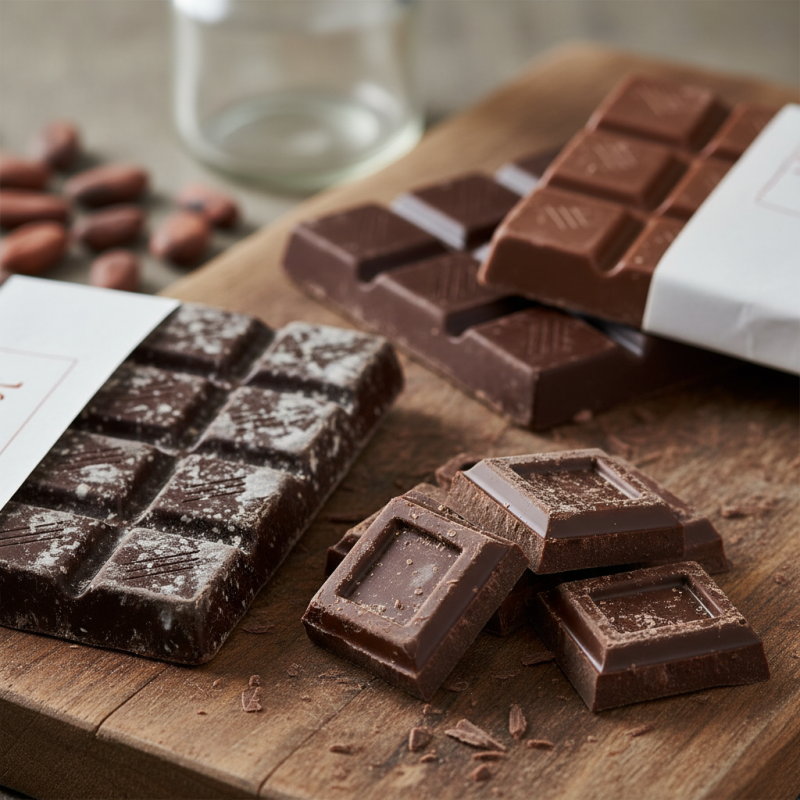
Typically, dark chocolate has a longer shelf life, lasting about two years if stored properly. Milk chocolate may expire within a year due to its dairy content. The signs of chocolate expiration often include changes in texture and flavor. A white coating known as bloom can appear, indicating the cocoa butter has separated. While this doesn't make chocolate unsafe to eat, it does affect taste.
It's worth noting that many consumers discard chocolate past its expiration date. This behavior may lead to unnecessary waste. Awareness of chocolate storage and shelf life can help consumers make informed choices. While some chocolate remains safe to eat after its expiration, evaluating quality is essential.
Understanding Chocolate: Composition and Shelf Life
Chocolate is a beloved treat for many, but it has a limited shelf life. Understanding the composition of chocolate is key to grasping why it expires. Chocolate mainly consists of cocoa solids, cocoa butter, sugar, and sometimes milk. Each ingredient has a different shelf life. Dark chocolate can last up to two years if stored properly, while milk chocolate may only last about one year.
Factors like temperature and humidity affect chocolate's lifespan. According to the National Confectioners Association, chocolate should be kept in a cool, dry place. Exposure to air and moisture can lead to spoilage. An unsealed bar may develop a white film. This isn't mold; it's called bloom. It occurs when cocoa butter separates from the chocolate. It may look unappetizing, but it’s usually safe to eat.
Not all chocolate is created equal. Artisan chocolates often lack preservatives, leading to shorter shelf life. Reports suggest that they can last just a few months. Keep this in mind when indulging in gourmet varieties. Look for any signs of deterioration before consuming. The aroma and texture may also change as chocolate ages. A slight snap when broken is ideal. Over time, it can become dull and less flavorful.
Chocolate Shelf Life Based on Composition
This chart illustrates the average shelf life of different types of chocolate based on their composition. Dark chocolate has the longest shelf life, lasting up to 24 months, while white chocolate tends to expire more quickly, usually within 6 months.
The Science Behind Chocolate Expiration
Chocolate is a beloved treat, but it does expire. This expiration is due to various factors that affect its quality. Chocolate contains cocoa solids, sugar, and fats, which can degrade over time. The fats tend to go rancid, leading to off-flavors. In addition, exposure to air and moisture can introduce mold or bacteria, particularly in chocolate that contains dairy.
The signs of expired chocolate are often visible. You might see a white coating known as bloom. This happens when fat or sugar rises to the surface. It doesn’t make chocolate unsafe, but it can alter taste. Smell is also a key indicator. If chocolate smells stale or off, it’s best to avoid it. Texture matters, too. A chalky or crumbly feel indicates it may have aged poorly.
Despite these tips, it's common to find old chocolate in drawers or pantries. We sometimes forget how long it's been there. It's crucial to check dates regularly. Even unopened chocolate can lose its charm. Understanding these aspects of chocolate expiration can enhance your enjoyment.
Why Does Chocolate Expire and How Can You Tell?
| Chocolate Type | Shelf Life (Unopened) | Shelf Life (Opened) | Signs of Expiration |
| Milk Chocolate | 1 year | 6-8 months | White spots, off smell, loss of texture |
| Dark Chocolate | 2 years | 1 year | Bloom, off taste, rancidity |
| White Chocolate | 1 year | 4-6 months | Changes in color, greasy texture, off smell |
| Ruby Chocolate | 1.5 years | 6-9 months | Color fading, off taste, bloom |
Identifying Signs of Expired Chocolate
When it comes to chocolate, freshness is key. Chocolate typically has a shelf life of one to two years. However, it can show signs of spoilage long before that. Understanding how to identify these signs is essential for any chocolate lover.
One major indicator of expired chocolate is the presence of white spots, often called "bloom." This occurs when cocoa butter separates from the chocolate, typically due to temperature fluctuations. The chocolate may still be safe to eat, but quality decreases. A study from the National Confectioners Association highlights that 59% of consumers prefer chocolate with a smooth, shiny finish. Uneven textures may indicate age.
Smell is another critical factor. If your chocolate has a rancid or strange odor, it’s time to toss it. Fresh chocolate should have a rich, inviting scent. When chocolate loses its aroma, the flavor will often follow suit.
**Tips:** Store chocolate in a cool, dry place to prolong its life. Avoid storing it in the fridge, as moisture can ruin its texture. Check the expiration date, but also trust your senses. If it doesn’t look or smell right, it probably isn’t. Being aware of these signs will ensure you enjoy the best of your chocolate.
Proper Storage Techniques for Chocolate Longevity
Proper storage of chocolate is vital for maintaining its quality. Chocolate should be kept in a cool, dry place. Ideal temperatures are between 60-70°F. Avoid storing it in the fridge, as humidity can cause it to bloom. When chocolate blooms, it develops a white film that affects its texture.
Use airtight containers to protect chocolate from moisture and unwanted odors. Keeping it sealed ensures that the flavors remain intact. Be mindful of strong fragrances nearby, as chocolate can absorb them easily. It’s also important to note the shelf life. Even though chocolate can last a while, it’s best enjoyed fresh. Regularly check for changes in texture or smell. Sometimes, you may find an odd change in appearance that goes unnoticed.
Consider labeling your chocolate with the date of purchase. This small step can help you track freshness. If you find a dusty wrapper or a faded color, it might be time to rethink consumption. Chocolate can lose its luster when not cared for properly. Embrace the art of chocolate preservation for a richer experience, but remember, it's not foolproof.
Best Practices for Enjoying Chocolate Before Expiration
Chocolate is a beloved treat, but it does expire. Understanding how to enjoy it before expiration is essential. Chocolate typically lasts for about one to two years, depending on its type. Dark chocolate can last longer than milk chocolate due to its lower milk content. The presence of fat and sugar plays a crucial role in its shelf life.
Tips: Store chocolate in a cool, dry place. Humidity and high temperatures can cause it to wilt. Experts recommend wrapping it tightly to prevent exposure to air. Oxidation can lead to stale flavors.
When chocolate reaches its expiration date, it doesn’t always mean it's unsafe. Instead, it may lose its rich flavors. Signs to watch for include discoloration or a white coating known as "bloom." This happens when fats or sugars separate, but it doesn't indicate spoilage.
Tips: Pay attention to the aroma. Fresh chocolate has a rich scent. If it smells off, it might be time to rethink consumption. Always check for any changes in texture as well. Enjoying chocolate at its best means being aware of these signs.