How to Choose the Right Roll Down Fire Door for Your Needs?
Selecting the right Roll Down Fire Door can significantly impact safety and compliance. According to industry standards, over 25,000 fires occur in commercial buildings annually, leading to devastating losses. Proper installations of fire doors can prevent the spread of flames and smoke, enhancing overall fire safety.
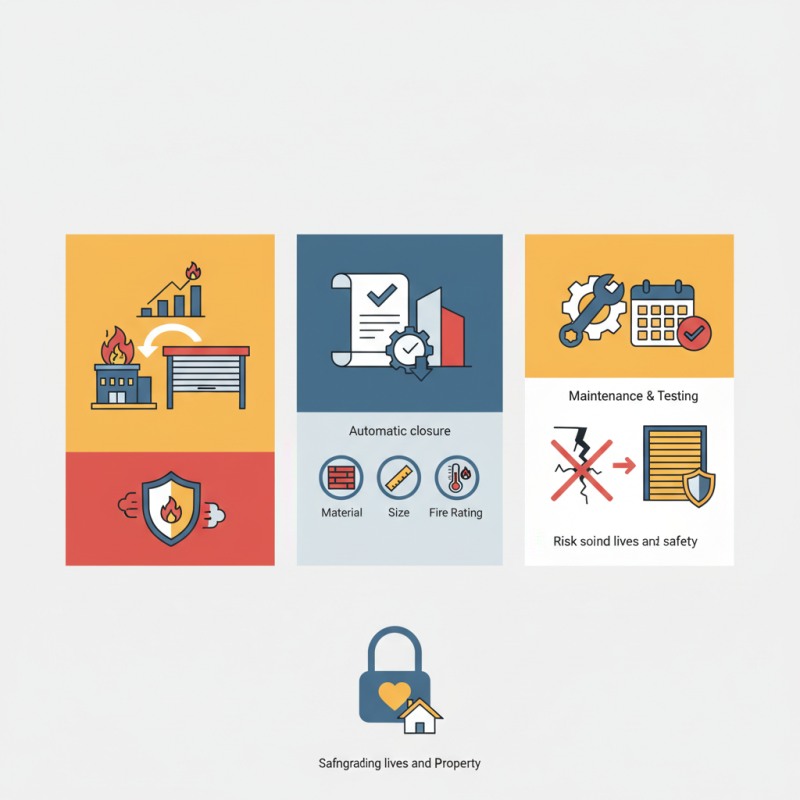
A Roll Down Fire Door not only protects your premises but also complies with regulations set by organizations like the NFPA (National Fire Protection Association). These doors can automatically close, blocking fire and smoke from spreading to other areas. Yet, choosing the appropriate door involves understanding various factors, including material, size, and specific fire ratings.
Many businesses overlook the importance of testing and maintenance for these installations. Regular checks ensure functionality in emergencies. Reports suggest that neglected fire doors can lead to increased risks during a fire incident. Thus, making informed decisions about Roll Down Fire Doors is crucial for safeguarding lives and property.
Understanding the Functionality of Roll Down Fire Doors
Roll down fire doors act as crucial barriers in emergency situations. Their primary function is to prevent the spread of fire and smoke. These doors can automatically close when a fire is detected, minimizing damage. It is essential to understand how they operate. Many systems rely on sensors that trigger closure. Some models use manual activation, which might not always be reliable.
Choosing the right roll down fire door involves knowing their specifications. Material matters. Steel doors offer durability, while fiberglass provides lightweight options. Consider the door thickness and fire rating. Many options are available, but not all will fit your needs. It can be overwhelming to select the proper features. You might overlook the necessary components.
Evaluate installation and maintenance as well. They can be more complex than anticipated. Regular checks are vital to ensure functionality. Poor maintenance can lead to failure in emergencies. The consequences may be severe. Make sure to weigh the pros and cons carefully. Your choice should prioritize safety and compliance above all.
Key Factors to Consider When Selecting a Roll Down Fire Door
When selecting a roll down fire door, consider several key factors. Fire doors are vital for safety. They prevent the spread of flames and smoke. According to the National Fire Protection Association (NFPA), proper fire doors can reduce fire damage by up to 80%.
Material is crucial. Steel doors offer durability and strength. They can withstand extreme temperatures. However, some projects may benefit from aluminum doors, which are lighter and rust-resistant. Assess your building's unique needs. Fire rating is also important. A higher rating indicates longer resistance to fire.
Tips: Measure your opening accurately. A poorly fitting door can compromise safety. Check local codes to ensure compliance. Maintenance is often overlooked. Regular inspections help identify wear or damage, ensuring reliable performance.
Evaluate insulation properties. This can affect energy efficiency. Remember that not all installations are straightforward. An ideal setup requires professional consultation. Delays in installation can lead to safety risks, so plan ahead. Being proactive can avoid costly mistakes later.
How to Choose the Right Roll Down Fire Door for Your Needs? - Key Factors to Consider When Selecting a Roll Down Fire Door
| Key Factor | Description | Recommended Specifications |
| Material | The material determines durability and resistance to fire. | Steel or aluminum with a minimum fire rating of 1-3 hours. |
| Size | Dimensions should fit the opening where the door will be installed. | Customizable sizes based on site requirements. |
| Fire Rating | Indicates the period for which the door can withstand fire. | Choose between 1 to 3 hour ratings based on codes. |
| Operation Type | Refers to how the door opens and closes. | Manual, automatic, or chain operated options available. |
| Compliance | Must meet local and national fire safety codes. | Ensure UL or FM certification for compliance. |
| Maintenance | Frequency and ease of maintenance tasks required. | Regular inspection and testing every 6 months recommended. |
| Aesthetic Design | Should match the building's architecture and design. | Custom finishes available to complement surroundings. |
Assessing Fire Ratings and Compliance Standards for Safety
When selecting a roll down fire door, assessing fire ratings and compliance standards is crucial. These doors must meet specific fire ratings, often categorized by time duration. According to the National Fire Protection Association (NFPA), a standard fire door might have a rating of 30 to 90 minutes. This means it can withstand flames for that duration. Choosing a door that meets or exceeds these ratings is essential for safety and compliance.
Understanding local building codes is another vital aspect. Regulations can vary significantly between regions. The International Building Code (IBC) often provides guidance on installation and usage. A recent report highlighted that at least 30% of commercial buildings failed to comply with fire door regulations. This non-compliance can lead to serious safety risks. Therefore, careful evaluation of the fire rating and adherence to local standards cannot be overlooked.
There are various materials and designs available, each with unique characteristics. Steel doors offer high durability, while other materials may not provide the same level of fire resistance. This variability can impact safety and compliance. Hence, stakeholders should consider specific needs and potential challenges. Not all options will be suitable in every scenario. Thoughtful reflection on these factors will aid in making informed decisions.
Fire Door Ratings and Compliance Standards
This chart illustrates the number of fire doors that comply with various fire rating durations. Understanding these ratings is crucial for selecting the right roll down fire doors to ensure safety and compliance.
Evaluating Material Options for Durability and Aesthetics
When choosing a roll down fire door, material options play a crucial role in both durability and aesthetics. Steel is a common choice due to its strength and fire resistance. Reports indicate that steel doors can withstand extreme temperatures, up to 2,000 degrees Fahrenheit, without compromising integrity. This makes them ideal for industrial settings, where fire safety is a priority. However, they may not offer the desired visual appeal for storefronts or upscale venues.
Aluminum is another popular option, offering a lighter alternative while still providing decent fire resistance. It is often favored for its modern look, making it suitable for commercial buildings. According to industry studies, aluminum doors can have a lifespan of more than 25 years with proper maintenance. Yet, their fire resistance is typically lower than that of steel, which raises concerns in highly sensitive environments. Aesthetics might sway your choice, but it’s essential to balance that with safety standards.
Fiberglass is an alternative gaining traction due to its resistance to corrosion and minimal upkeep. It can be molded into different designs, providing aesthetic flexibility. However, there are debates around its fire performance compared to steel and aluminum. While some manufacturers claim high ratings, others suggest limited testing data exists. Choosing the right material demands a careful assessment of both durability and visual aspects to align with specific needs.
Installation and Maintenance Tips for Optimal Performance
When selecting a roll down fire door, installation is crucial. Proper installation ensures that the door will function effectively during an emergency. Make sure to follow the manufacturer’s guidelines closely. Any deviation can lead to failure. If you're unsure, consult a professional. This can save you from costly mistakes.
Maintenance is key to optimal performance. Regularly inspect the door for signs of wear or damage. Look for any rust or misalignment. Cleaning the tracks and ensuring the mechanisms work smoothly is essential. Do not wait for problems to arise before checking the door. Creating a routine maintenance schedule can help.
Tips for maintaining your fire door: check the seals regularly. They should be intact and fully operational. Test the door's function periodically to ensure it closes properly. Don't ignore small issues; they can escalate quickly. Remember, a little effort goes a long way in preventing bigger problems down the line.