How to Choose the Best Fiberglass Mesh Machine for Your Needs?
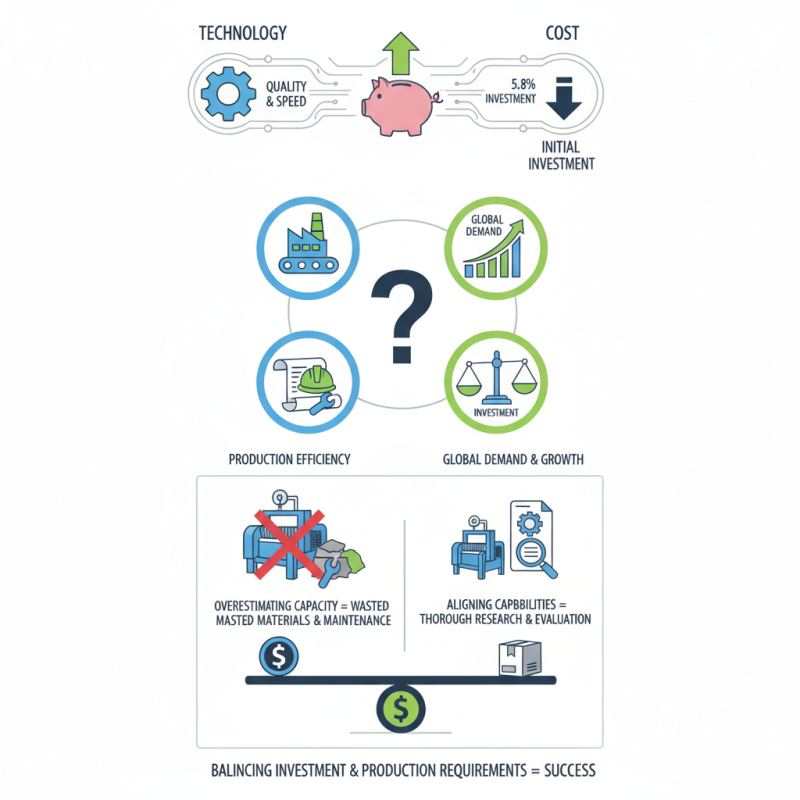
Choosing the right fiberglass mesh machine is crucial for production efficiency. The global demand for fiberglass mesh has surged, with an estimated growth rate of 5.8% annually. This increase is driven by industries such as construction and automotive, where fiberglass materials are essential.
When selecting a fiberglass mesh machine, consider factors like technology and cost. Advanced machines offer better quality and speed. However, they often come with higher upfront costs. Smaller businesses may struggle to invest in high-end models, which can lead to overproduction issues.
It's important to align machine capabilities with specific production needs. Overestimating capacity can result in wasted materials and increased maintenance. Conduct thorough research and evaluate your actual needs before making a decision. Balancing investment and production requirements is key to success.
Understanding the Different Types of Fiberglass Mesh Machines Available
When selecting a fiberglass mesh machine, understanding the types available is crucial. There are various styles to consider. Each type serves different production needs. Some machines specialize in plain weaving, while others offer additional reinforcement options. The intricacies of each design impact your operational efficiency.
Plain weave machines produce standard mesh sizes. However, they may limit flexibility in your product range. If your focus is on strength, consider machines that create reinforced mesh. These devices often have more complex setups. They can handle thicker fiberglass, but they may also require more technical skill to operate effectively.
Moreover, take note of automation levels. Fully automated machines can significantly boost production speed. Yet, they might come with a steeper learning curve. Balancing automation with user-friendliness is essential. Be prepared for an adjustment phase when switching to a new system. Each choice has pros and cons that warrant careful consideration.
Fiberglass Mesh Machine Types and Their Application Areas
Evaluating Production Capacity: Key Metrics for Your Manufacturing Needs
When selecting a fiberglass mesh machine, evaluating production capacity is crucial. You need to assess how much output the machine can deliver. Look at the maximum production rate. Some machines may promise high rates, but real-world performance varies. It’s essential to test the machine’s efficiency under actual manufacturing conditions.
Another vital metric is the downtime frequency. A machine that breaks down often can disrupt your workflow. Investigate the maintenance requirements. Machines that need constant attention may drain resources and affect productivity. In some instances, a lower-capacity machine can outperform a high-capacity one in reliability and consistency.
Consider the size and type of fiberglass mesh you plan to produce. Different machines excel at different products. Ensure the machine you choose aligns with your specific production goals. You might discover that flexibility is just as important as speed. Before making a decision, reflect on your long-term production needs and potential growth. A choice made today should accommodate future demands, not just immediate ones.
Comparing Cost vs. Quality: Finding the Right Price Point in Equipment
When investing in fiberglass mesh machines, balancing cost and quality is critical. Industry reports suggest that companies often overspend on equipment, sacrificing long-term performance for initial savings. A recent analysis indicates that 30% of buyers face production inefficiencies due to low-quality machines. It's important to weigh these factors carefully.
Consider the materials used in production. Cheaper machines might utilize inferior components, impacting durability. A study found that up to 40% of budget machines require repairs within the first year, leading to increased costs. Investing a little more initially can save on maintenance and downtime.
Flexibility in production is another factor. High-quality equipment offers adaptability, which is essential for meeting specific customer demands. Cheaper alternatives may limit your product range. This could lead to missed revenue opportunities. Thus, the cost vs. quality debate plays a pivotal role in your decision-making process. Finding the right balance could define your company's future.
Assessing Technical Specifications: Essential Features to Look For
When selecting a fiberglass mesh machine, technical specifications play a crucial role. Look for machines that feature high production speeds. According to a recent industry report, efficient machines can produce fiberglass mesh at rates exceeding 200 meters per minute. This can significantly enhance productivity for manufacturers with high demand.
Consider the machine's compatibility with various fiberglass types. Different applications require specific mesh densities and strengths. A versatile machine can handle a range of fabrics, ensuring adaptability in production. Many professionals recommend checking whether the machine can produce meshes between 30 to 200 grams per square meter. This flexibility is vital in addressing varying market needs.
Don't overlook the importance of ease of operation and maintenance. Machines with complex interfaces may increase downtime. A device that incorporates intuitive controls reduces training time. While advanced features are enticing, they can complicate operations. Reflecting on usability can mitigate these issues and promote smoother workflows.
How to Choose the Best Fiberglass Mesh Machine for Your Needs? - Assessing Technical Specifications: Essential Features to Look For
| Feature | Specification | Importance |
| Production Capacity | 200-500 kg/h | High |
| Mesh Size Range | 1mm - 20mm | Medium |
| Electric Power | 5-15 kW | High |
| Control Type | Automatic/Manual | Medium |
| Material Type | Fiberglass | High |
| Overall Dimensions | 2000 x 1200 x 1500 mm | Medium |
| Weight | 800 kg | Low |
| Warranty Period | 12 months | High |
Analyzing Industry Trends: Future-Proofing Your Fiberglass Mesh Machine Choice
When selecting a fiberglass mesh machine, it’s crucial to consider industry trends for future-proofing. The fiberglass industry is evolving rapidly. Demand for lightweight, durable products is increasing. Machines must adapt to these changes. Newer technologies improve efficiency and reduce waste. This is vital for staying competitive.
Focus on automation and flexibility in machine design. These features help businesses scale up with ease. Some machines can handle various mesh types without extensive modifications. This versatility becomes essential in a changing market. However, it's also important to evaluate the learning curve. Advanced technology might complicate operations at first.
Additionally, investing in a machine should not be taken lightly. It requires careful budgeting. Many options appear promising but fall short. Not all machines deliver what they claim. Evaluate the longevity, maintenance needs, and potential for upgrades. Sometimes, simpler machines may be smarter choices for startups. Reflecting on these factors can lead to well-informed decisions that withstand the test of time.