How to Choose the Best Nonwoven Machine for Your Business?
Choosing the right Nonwoven Machine for your business is crucial. The nonwoven fabric industry has been growing steadily. According to a report by Smithers, the global nonwoven market is expected to reach $50 billion by 2025. This growth reflects the increasing demand for hygiene products, filtration materials, and geotextiles. Selecting the right equipment can significantly impact your production efficiency and product quality.
John Doe, a leading expert in the nonwoven sector, emphasizes, "Investing in the best Nonwoven Machine ensures higher quality outputs." His insight highlights the necessity of evaluating your specific needs. Factors such as production capacity, automation level, and material compatibility must be considered. While many machines on the market boast advanced features, it's essential not to overlook the future scalability of your investment. The wrong choice can lead to limitations that affect your business's long-term success.
Balancing cost and functionality is often challenging. A machine might seem affordable, but maintenance and operational costs can add up. Understanding these elements is crucial for making informed decisions. The aim is not just to purchase equipment but to enhance your overall production capability. Taking the time to assess each option carefully will yield lasting benefits for your business.
Understanding Nonwoven Machines and Their Applications in Industry
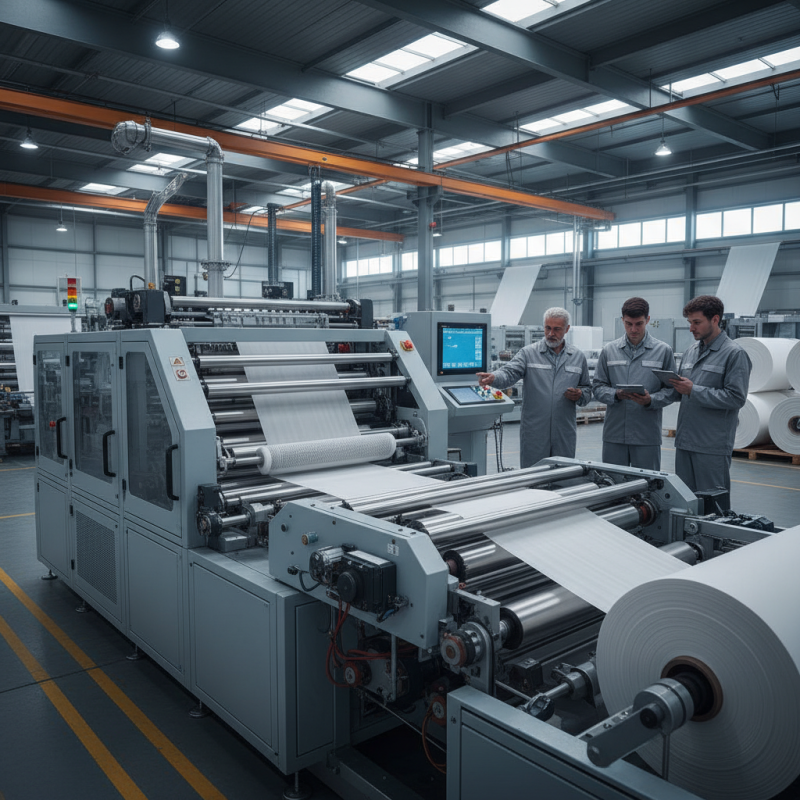
Nonwoven machines play a critical role across diverse industries. These machines are designed to produce nonwoven fabrics, which have applications in hygiene, medical, automotive, and construction sectors. According to a report by Smithers Pira, the global demand for nonwoven fabrics is projected to reach 10 million tons by 2025. This reflects an annual growth rate of 4.6%, a clear indicator of their importance.
The versatility of nonwoven materials is notable. They can be made from synthetic or natural fibers and offer various properties like absorbency, strength, and barrier qualities. In the hygiene sector, for instance, nonwoven fabrics are integral to producing disposable diapers and feminine hygiene products. The medical industry also relies heavily on nonwoven materials for surgical gowns and drapes, which ensure cleanliness and infection control.
However, selecting the right nonwoven machine can be challenging. Factors such as production capacity, material compatibility, and automation features need evaluation. A machine might excel in one aspect but fall short in another, leading to inefficiencies. It’s essential to analyze production needs thoroughly to avoid potential pitfalls. Consulting industry experts and reviewing application case studies can provide valuable insights, guiding businesses to make informed decisions.
Key Factors to Consider When Selecting a Nonwoven Machine
Choosing the right nonwoven machine for your business is critical. Various factors play a major role in this decision. First, consider the production capacity needed. According to industry reports, businesses that invest in machines with higher capacities often see a 30% boost in efficiency. However, it’s essential to balance capacity with your current demand. Overproduction can lead to waste and increased costs.
Next, think about the types of materials you'll work with. Nonwoven machines can handle a range of materials, but not all machines are versatile. Research shows that 75% of manufacturers prioritize material compatibility when selecting machinery. This choice impacts the quality of the final product and the production process. Ensure the machine can accommodate future materials too; adaptability is key.
Another crucial aspect is the operational cost. A detailed analysis of energy consumption reveals that efficient machines can reduce energy costs by up to 20%. However, the initial investment for advanced technology may be higher. Balancing these financial aspects can be challenging. Regular maintenance is also important, as neglected machines can decline in performance, leading to production delays and increased expenditure over time.
Evaluating Production Capacity and Efficiency Requirements
When evaluating production capacity for a nonwoven machine, consider your current and future needs. Begin by assessing your average output requirements. Think about the volume of materials you will be processing regularly. A machine that can handle larger capacities than you need now could offer flexibility for growth later.
Efficiency is equally crucial. Investigate the machine’s speed and energy consumption. Higher speed might seem appealing, but efficiency should be a priority. Some machines may use more energy while producing quick output. Look for models that balance speed and energy use.
It’s important to examine the specific production techniques you plan to implement. Different machines cater to various nonwoven applications. Make sure you understand the implications of your choice on overall costs and output. Reflect on potential maintenance needs as well. Regular upkeep can impact productivity. Consider whether the machine will require specialized training for your staff. This is a common oversight that can affect usage efficiency.
How to Choose the Best Nonwoven Machine for Your Business? - Evaluating Production Capacity and Efficiency Requirements
| Machine Type | Production Capacity (m²/h) | Efficiency Rate (%) | Material Compatibility | Power Consumption (kW) |
| Spunbond Machine | 250 | 90 | PP, PET | 150 |
| Meltblown Machine | 150 | 85 | PP, PLA | 120 |
| Needle Punch Machine | 200 | 88 | Wool, Polyester | 180 |
| Hydroentanglement Machine | 180 | 87 | Cotton, Viscose | 200 |
Assessing Material Compatibility for Nonwoven Manufacturing
Choosing the right nonwoven machine for your business hinges significantly on material compatibility. Each material has unique characteristics that dictate the best manufacturing processes. Fabrics like polyester and polypropylene differ in their melting points and tensile strength. Understanding these differences is crucial for optimal production.
Testing materials before committing to a machine is wise. You might discover that a seemingly perfect machine struggles to process certain fabrics. For instance, critical factors such as fiber type and bonding process need careful evaluation. It's essential to align machine capabilities with your specific materials.
Keep in mind that finding the right fit can be challenging. Some machines may excel with synthetic fibers but falter with biodegradable options. Conducting small-scale trials can highlight these issues. Reflecting on past experiences will guide you in making an informed choice. Evaluating material compatibility ensures the success of your nonwoven manufacturing process.
Budgeting for Purchase and Maintenance of Nonwoven Machines
When budgeting for a nonwoven machine, consider both acquisition and ongoing expenses. The initial purchase price can vary greatly. It is essential to factor in not just the machine cost but also installation and setup expenses. These elements often get overlooked. They can significantly affect your overall budget.
Maintenance is another critical aspect. Regular servicing ensures your machine operates efficiently. Unexpected repairs can lead to financial strain. Establishing a maintenance plan is wise. This can include routine checks and sourcing parts when needed. Understanding these costs upfront can prevent surprises later.
Evaluate your production needs. High volume might justify a more expensive machine, while smaller operations may not need that level of investment. Reflect on your long-term goals. A machine's sustainability may impact its operational costs. Investing in energy-efficient models can reduce utility bills. Balancing between upfront costs and long-term savings is crucial for profitability.