How to Choose the Right 10KV Electric Transformer for Your Needs?
Choosing the right 10KV Electric Transformer can significantly impact your electrical system's efficiency and reliability. According to a recent report by the International Energy Agency (IEA), the demand for high-voltage transformers is expected to rise by 15% over the next five years. This trend highlights the need for informed decision-making in the selection process.
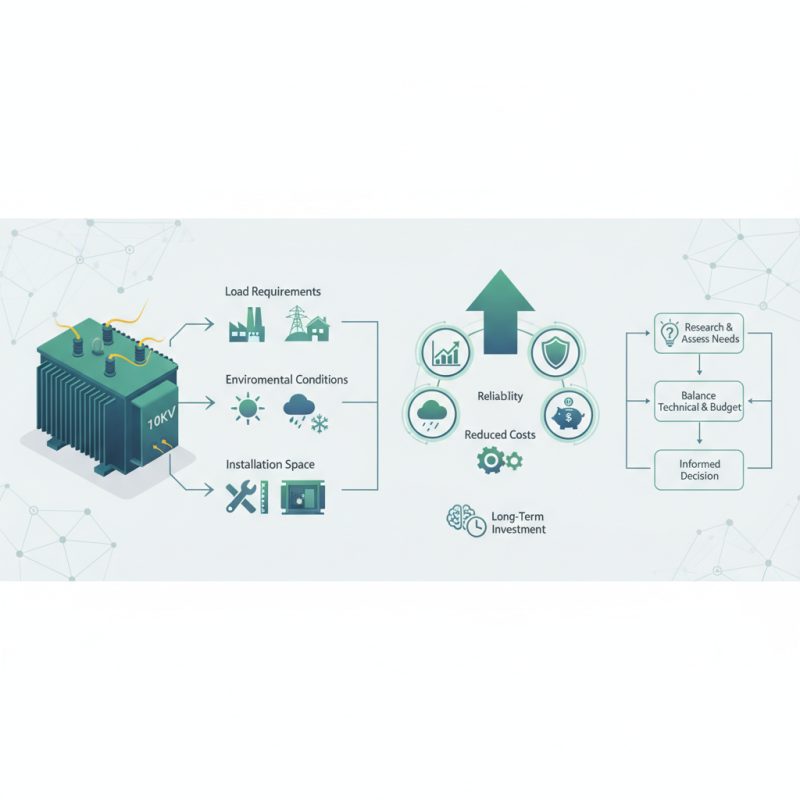
Expert in the energy sector, Dr. Emily Carter, states, "The right transformer can optimize system performance and reduce operational costs." Understanding the specifications and applications of a 10KV Electric Transformer is crucial. Various factors such as load requirements, environmental conditions, and installation space must be considered. The right choice can enhance energy distribution while minimizing waste.
However, many overlook critical details during selection. For instance, underestimating load capacity could lead to transformer failure. Ensuring compatibility with existing systems is vital. Ultimately, the goal is to make a well-informed choice, balancing technical needs and budget constraints. Investing time in understanding these elements will pay off in long-term reliability and efficiency.
Factors to Consider When Selecting a 10KV Electric Transformer
Choosing the right 10KV electric transformer is crucial for efficiency and safety. One key factor is power capacity. Determine your energy needs first. Calculate your peak load to avoid underperformance or overloading. It's helpful to involve a qualified electrician in this assessment.
Another consideration is cooling method. Transformers can be air-cooled or oil-cooled. Each type has its pros and cons. Air-cooled units are easier to maintain but may require more space. Conversely, oil-cooled transformers are more compact but need regular inspections for leaks. Understanding the environment is vital. High temperatures or dust can affect performance.
Installation and maintenance requirements also play a role. Ensure you have a plan for accessing the transformer. A poorly placed unit can complicate repairs. Regular maintenance helps prevent unexpected failures. While it can be overlooked, a structured maintenance schedule is crucial for longevity. An informed decision requires balancing these factors based on specific needs.
Understanding the Different Types of 10KV Transformers Available
When selecting a 10KV electric transformer, understanding the types available is crucial. There are two primary categories: oil-immersed and dry-type transformers. Oil-immersed transformers are often used in larger applications, providing higher energy efficiency and better cooling properties. According to a 2023 industry report, oil-immersed transformers can achieve efficiencies over 98%, making them suitable for high-load environments.
On the other hand, dry-type transformers are ideal for indoor settings. They have a smaller footprint and pose fewer environmental concerns, as they do not use oil. A recent study noted that the demand for dry-type transformers has increased by 15% in urban areas. Although they usually possess lower efficiency rates than their oil-immersed counterparts, their safety features are frequently prioritized.
Each type has its trade-offs. Oil-immersed transformers require more maintenance and can present risks if a leak occurs. Conversely, dry-type transformers may struggle in environments with extreme heat. Be critical when evaluating your site conditions and energy needs, as this will influence your choice significantly. Reflecting on these factors will lead to a better decision, tailored to your unique requirements.
Evaluating Transformer Ratings and Specifications for Your Application
When evaluating transformer ratings and specifications, focus on key aspects such as power ratings, efficiency, and thermal characteristics. A 10KV transformer typically handles medium voltage applications, which requires precise calculations for load demands. For example, the Institute of Electrical and Electronics Engineers (IEEE) suggests considering both peak and average loads in your calculations.
Efficiency is also crucial. A transformer’s efficiency rating indicates how much power is lost as heat. This can vary significantly across models, impacting operational costs. An efficient transformer, typically over 97%, will save money in the long run.
**Tip:** Always consider future expansion when selecting your transformer. Overestimating your needs can lead to underutilization and higher costs.
Thermal specifications are vital too. Transformers generate heat during operation, affecting performance and longevity. The National Electrical Manufacturers Association (NEMA) recommends assessing the cooling methods and ambient conditions where the transformer will operate.
**Tip:** Examine the insulation type. It should match your specific environmental conditions to prevent premature failure. Choosing the right transformer is a nuanced process, requiring careful scrutiny of ratings and specifications. Balancing specifications against your specific needs is key to an effective solution.
How to Choose the Right 10KV Electric Transformer for Your Needs?
| Parameter | Specification | Notes |
| Voltage Rating | 10KV | Standard voltage for distribution transformers |
| Power Rating | 100 kVA - 2500 kVA | Select based on power requirement |
| Frequency | 50 Hz / 60 Hz | Ensure compatibility with local grid |
| Phase Type | Single-phase / Three-phase | Based on specific application needs |
| Cooling Method | Oil-filled / Dry-type | Consider environmental conditions |
| Insulation Class | Class A, B, F, or H | Higher class allows for greater temperature range |
| Efficiency | ≥ 98% | Higher efficiency reduces losses |
| Regulatory Standards | IEC 60076 | Ensure compliance with international standards |
Assessing Installation Requirements and Space Constraints
Assessing installation requirements and space constraints is crucial when selecting a 10KV electric transformer. Proper assessment ensures safety and compliance with regulations. For instance, the National Electrical Manufacturers Association (NEMA) highlights that inadequate space can lead to overheating and equipment failure. Ensuring sufficient ventilation is vital. Many installations recommend at least three feet of clearance around transformers to mitigate risks.
Space availability often influences transformer choice. Data from industry reports indicate that over 35% of electrical faults arise from poor installation. This statistic emphasizes the need to evaluate the physical environment. Urban spaces often present challenges, with more limited room. Heights and widths of equipment must be considered carefully. Ensuring that the weight distribution of the transformer aligns with your support structures is essential.
Additionally, planning for future expansion or maintenance access is critical. What may seem adequate now might not suffice later. If space is tight, it may be worth considering transformer designs that fit smaller footprints. Some compact models maintain efficiency despite reduced size. They could prove to be viable alternatives, addressing space constraints while meeting operational needs.
Long-Term Maintenance and Reliability Considerations for Transformers
When considering long-term maintenance for a 10KV electric transformer, reliability must be a top priority. Regular inspections can prevent costly failures. Over time, components wear out. Inspect joints and insulators for signs of deterioration. A small issue can escalate if left unaddressed. Keep an eye on the cooling system; overheating can damage the transformer.
Scheduling periodic maintenance saves money and avoids downtime. Check lubrication and ensure connections are tight. Monitor temperature and load levels regularly. Keeping accurate records of maintenance activities is vital. This data can provide insights into potential future issues. However, even with diligent care, unexpected failures can occur. Being prepared for emergencies greatly enhances operational stability.
Lastly, investing in training for your personnel is essential. Knowledgeable staff can identify issues early. They understand the unique characteristics of your transformer. Empower your team to report any irregularities immediately. Encourage a culture of proactive maintenance. While challenges will arise, a prepared approach can mitigate risks effectively.