2026 How to Choose the Best ABA Blown Film Machine?
Choosing the right aba blown film machine is crucial for manufacturers aiming for efficiency. Industry expert John Smith emphasizes, "Selecting the right machine makes all the difference in production quality." This equipment shapes polyethylene into diverse films. Understanding different models is vital for informed decisions.
Many features matter, including output capacity and control systems. A suitable machine enhances production flow. However, some companies rush into purchases without thorough research, leading to inefficiencies. It's common to overlook the importance of technical support and maintenance. This oversight can create long-term challenges.
Moreover, price does not always equate to quality. Budget-friendly machines may seem appealing but may lack essential features. Finding balance is key. Taking time to evaluate options will minimize future regrets. Use resources wisely, consult experts, and scrutinize all aspects before investing in an aba blown film machine.
Understanding ABA Blown Film Technology and Its Applications
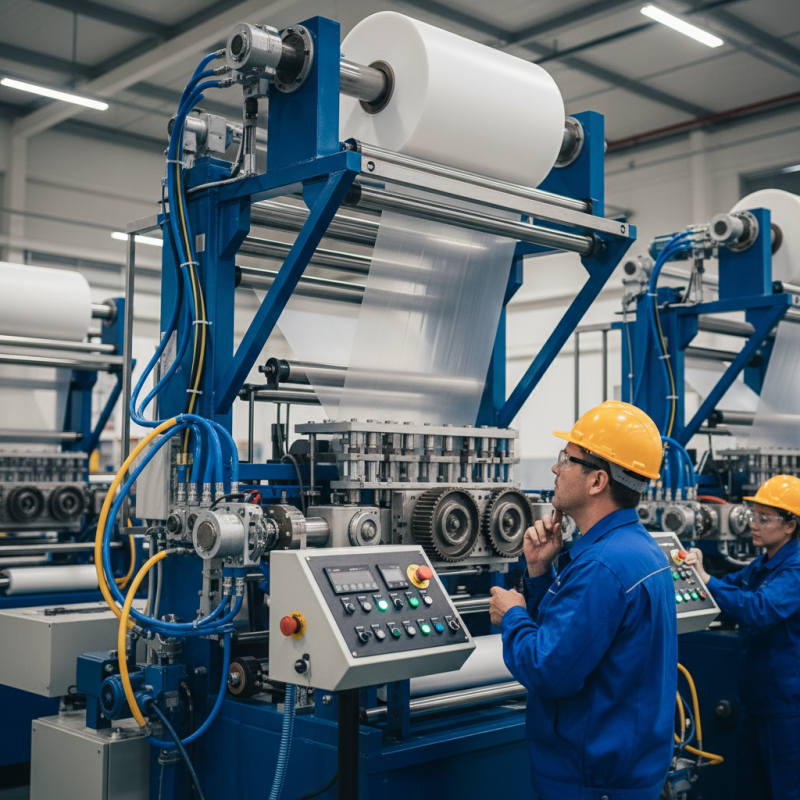
ABA blown film technology is a widely used method in the plastics industry. It focuses on producing multi-layer films with different properties. This technology allows for the creation of films that combine strength and flexibility. The three-layer structure is essential. Each layer has its own unique function. This design enhances barrier properties and improves durability.
Applications of ABA blown films are diverse. They are commonly used in packaging materials for food and consumer goods. The films can provide excellent protection against moisture, oxygen, and light. This extends the shelf life of products. However, not all applications are perfect. The choice of materials and processing conditions can sometimes lead to undesired film characteristics. For example, films may be too thick or too thin for specific uses.
Choosing the right ABA blown film machine is crucial. It is essential to consider your specific needs. You must reflect on the types of films you plan to produce. Different machines have varying capabilities and features. It can be overwhelming to narrow down your choices. Understanding the technical specifications will aid decision-making. Still, manufacturers should remain open to adapting their processes. Continuous learning and improvement are vital in this evolving industry.
2026 How to Choose the Best ABA Blown Film Machine? - Understanding ABA Blown Film Technology and Its Applications
| Parameter | Details |
| Film Width | Up to 2000 mm |
| Layer Configuration | 3-layer ABA structure |
| Maximum Output | Up to 300 kg/h |
| Applications | Packaging, agriculture, industrial films |
| Key Features | High barrier, UV protection, thermal stability |
| Film Thickness | 10 - 100 microns |
| Energy Consumption | Lower than 1 kWh/kg of film produced |
| Control System | PLC with touch screen interface |
Key Features to Look for When Selecting an ABA Blown Film Machine
When selecting an ABA blown film machine, consider key features that can significantly impact your production. Material compatibility is crucial. High-density polyethylene (HDPE) and low-density polyethylene (LDPE) are common materials suitable for ABA machines. Understanding the types of materials helps in achieving desired film properties. Performance data shows that efficient machines can produce films with a thickness variance of only +/- 5%. This precision improves material utilization.
Pay attention to the machine's film width capabilities. Some machines can handle widths of up to 2000 mm, while others may only process 1000 mm. This feature impacts your production volume and flexibility in product offerings.
Additionally, consider the extruder design. Advanced designs allow for better melt homogeneity and faster output rates. Reports indicate that modern machines can achieve up to 600 kg/h at optimal efficiency.
Don't overlook the importance of automation and control systems. Reduced human intervention can lead to fewer errors and increased consistency in film quality. Data suggests that machines with advanced control systems can improve operational efficiency by up to 20%. Reflecting on these considerations can help avoid potential pitfalls in the selection process. Aim for machines that offer a balance of innovation and reliability, ensuring they meet current and future production needs.
Evaluating the Production Capacity and Efficiency of Film Machines
When evaluating the production capacity of ABA blown film machines, several key factors come into play. One crucial aspect is the output speed of the machine. It is essential to assess the maximum speed at which it can produce film. Many machines boast high speeds, but real-world conditions can vary. Each machine needs to be tested under various conditions to ensure they meet performance expectations.
Another important consideration is the thickness and width of the film produced. Different applications require specific film dimensions. It’s vital to determine if a machine can adjust to these needs. Flexibility in settings can enhance efficiency. However, if a machine struggles to maintain consistency, it may lead to production delays and waste. This variability could be an area for manufacturers to improve.
Efficiency also relies on energy consumption. A machine may produce high output, but if it uses excessive energy, costs will rise. Evaluating energy efficiency can reveal potential problems. Additionally, the machine's maintenance needs should not be overlooked. Regular upkeep is vital, yet it can be missed in evaluations. Over time, neglecting maintenance affects efficiency and production capacity. This aspect often requires reflection from operators to ensure long-term productivity.
Comparative Analysis of Brands and Manufacturers in the ABA Market
In the competitive ABA blown film market, selecting the right machine is vital. A recent industry report highlighted that the global demand for ABA blown film machines is projected to grow by 5.2% annually through 2026. Various manufacturers offer diverse features that can significantly influence production efficiency. Factors like film thickness, output speed, and material compatibility vary across brands. Evaluating these aspects is essential for making an informed choice.
When analyzing brands, consider the reliability of parts and customer service. Not all manufacturers provide equal support. Some may boast advanced technology yet fall short in after-sales care. Research suggests that companies with strong reputations for service retain a higher customer satisfaction rate. Pay attention to user reviews and industry ratings for insights. Dive into specific performance metrics and gauge their effectiveness in real-world applications.
Tips: Look for machines featuring energy-efficient technologies. Such options may reduce costs in the long run. Always inquire about warranty details before purchase. A solid warranty can offer peace of mind for your investment. Remember, the right machine can enhance your production process but requires careful assessment.
Maintenance and Support Considerations for ABA Blown Film Machines
When selecting an ABA blown film machine, maintenance and support can significantly impact its operational efficiency. Regular maintenance is crucial for reducing downtime and ensuring consistent production quality. Reports indicate that nearly 30% of machine downtime occurs due to inadequate maintenance. This highlights the need for a well-structured maintenance strategy.
A proactive maintenance routine should include daily checks, monthly overhauls, and annual inspections. Each task helps identify potential issues before they escalate. Operators must also be trained on how to assess machine health. A comprehensive training program can enhance operator efficiency and safety. It's important to note that even minor operational errors can result in significant waste and increased costs.
Support considerations should not be overlooked. Access to prompt technical support can minimize interruptions in production. Industry data suggests that machines with robust support networks have up to 20% lower failure rates. Interactions with technical teams can provide valuable insights. These insights help in optimizing both machine performance and film quality. Regular communication ensures that operators stay informed of best practices and upcoming upgrades. This is essential for maintaining competitive edge in the market.