How to Choose the Best Door Frame Seal for Your Needs?
Choosing the right Door Frame Seal is crucial for energy efficiency and comfort in any building. A well-chosen seal can reduce heating and cooling costs by up to 30%, according to the Energy Efficiency Guide by the U.S. Department of Energy. Expert Linda Parker emphasizes, "A proper Door Frame Seal not only enhances insulation but also improves air quality."
When selecting a Door Frame Seal, consider materials and installation methods. Options like foam, rubber, and vinyl each have unique benefits. Some materials may offer better soundproofing, while others provide superior weather resistance. These choices can impact long-term performance and maintenance needs.
It’s important to evaluate your specific requirements. Assess the climate in your area and the amount of traffic your door receives. A seal that works well in a cold climate may not perform as effectively in a humid environment. Remember that even a slight gap can compromise energy efficiency. Making informed decisions will lead to better outcomes.
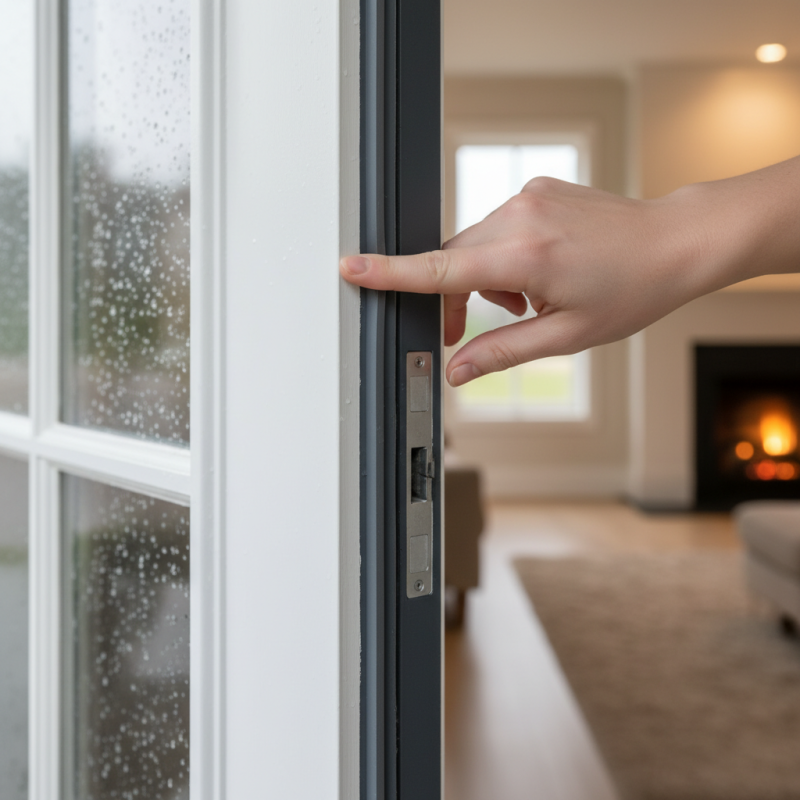
Understanding the Importance of Door Frame Seals in Building Efficiency
Door frame seals are crucial for maintaining building efficiency. They prevent air leaks that can lead to energy loss. A well-sealed door frame can significantly reduce heating and cooling costs. This simple feature can impact your overall energy consumption.
Seals also enhance comfort within the space. They block drafts, allowing for a more stable indoor temperature. Inadequate sealing can lead to cold spots or hot zones. Homeowners often overlook this detail, but it is vital for a cozy environment.
Choosing the right seal requires understanding your specific needs. Consider material types, durability, and ease of installation. Some seals might not withstand extreme weather conditions or heavy usage. Regular checks can help identify worn-out seals that need replacement. Evaluate the performance of your current seals to ensure efficiency.
Types of Door Frame Seals and Their Suitable Applications
When selecting a door frame seal, you should consider various types. Weatherstripping seals suit exterior doors. They create a barrier against drafts and moisture. Foam seals are easy to install and provide decent insulation. Usually, they work well for lightweight doors.
For soundproofing, door sweeps are effective. They reduce noise by blocking gaps at the bottom. Magnetic seals are another option, ideal for metal doors. They offer a strong hold and ease of use. Additionally, they can be removed and replaced easily when needed.
Consider the materials. Some seals are made from rubber or silicone. These materials tend to last longer compared to foam. Each type varies in effectiveness and limitation. Evaluate your specific requirements. The right seal can enhance comfort while saving energy costs. Every choice has trade-offs.
Comparison of Different Types of Door Frame Seals
Factors to Consider When Choosing a Door Frame Seal
When choosing a door frame seal, consider a few essential factors. The material of the seal plays a crucial role. Foam and rubber are popular choices. They offer good insulation and are easy to install. However, durability varies. Some seals wear out faster than others. Reflect on the climate you live in as well. A rubber seal might be ideal for extreme temperatures, providing better flexibility.
Next, width and height are vital measurements. A seal that doesn’t fit correctly can lead to drafts. It's not just about size; the design matters too. Look for seals that have a tight fit to block air leakage. Pay attention to installation requirements. Some seals need adhesives while others use nails or screws. Improper installation can lead to issues, so research the installation process thoroughly.
Don't overlook the aesthetic aspect. The seal should complement your door's appearance. While function is essential, visual harmony enhances your home’s look. After considering these factors, reflect on your specific needs. Think about how often you open and close the door. A heavy-use door may require a seal that can withstand wear and tear. Each choice affects performance, so weigh your options carefully.
How to Choose the Best Door Frame Seal for Your Needs?
Factors to Consider When Choosing a Door Frame Seal
| Factor | Description | Recommended Material | Best For |
| Weather Resistance | Ability to protect against rain, snow, and humidity. | Vinyl, Rubber | External doors |
| Sound Insulation | Reduces noise transmission between rooms. | Foam, Acoustic Seals | Interior doors |
| Ease of Installation | Simple to apply without professional help. | Self-adhesive Seals | DIY projects |
| Durability | Resistance to wear and tear over time. | Silicone, EPDM Rubber | High-traffic areas |
| Aesthetic Appeal | Matches the decor of the home. | Colored or Decorative Seals | Visible doors |
Installation Tips for Maximizing the Effectiveness of Your Seal
When installing a door frame seal, it’s crucial to ensure a snug fit. Measure the door frame carefully. Gaps can lead to drafts and energy loss. Use a level to check that the seal aligns perfectly. Misalignment might compromise its efficiency.
Choose the right materials for your climate. Foam seals work well in moderate conditions. In extreme weather, consider rubber or silicone varieties. Their durability can make a difference. Pay attention to the type of door you are sealing. Exterior doors require more robust seals than interior ones.
Don’t forget the application process. Clean the surface before installation. Dust and debris can hinder adhesion. A little patience goes a long way. Allow the seal to settle properly. Rushed installation may lead to peeling or warping later. Reflect on your approach. Perhaps practice on a less critical door first. This could enhance your confidence and accuracy.
Maintenance and Replacement Guidelines for Door Frame Seals
When considering the maintenance and replacement of door frame seals, it’s vital to recognize their role in energy efficiency. According to the U.S. Department of Energy, leaky door seals can waste up to 30% of heating and cooling energy. Keeping door seals in good condition prevents drafts, lowers energy bills, and enhances indoor comfort.
Inspect seals regularly for wear and damage. Cracks, peeling, or a diminished adhesive are signs that replacement is necessary. Studies by Energy Star indicate that properly maintained seals can save homeowners significant costs in energy efficiency. Consider the climate of your region when choosing materials. Certain seals perform better in extreme temperatures, while others may degrade faster under harsh conditions.
Tip: Clean the door frame before installing a new seal to ensure proper adhesion. It's also essential to verify that the door closes tightly, as misalignment can compromise the effectiveness of the seal. Test the seal by closing the door and feeling for air leaks. If you feel drafts, it's time to act.
Another consideration is the lifespan of door frame seals, which typically ranges from 5 to 10 years. This can vary based on exposure to UV light and moisture. Regular maintenance, such as reapplying adhesive or tightening screws, can enhance longevity. Always assess the seal's performance through seasonal changes, ensuring it withstands both summer heat and winter cold.