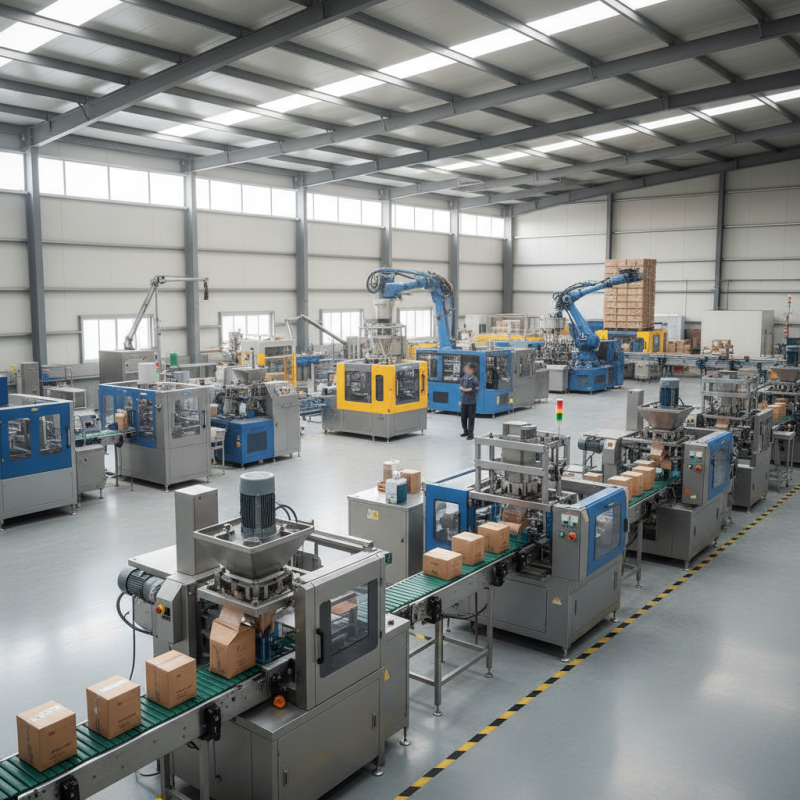
How to Choose the Best Packing Machine for Your Business?
Choosing the right Packing machine can transform your business. It plays a crucial role in enhancing efficiency and reliability. A well-suited packing machine boosts productivity, reduces waste, and cuts labor costs.
When evaluating options, consider types and features. Some machines handle different products better. Others focus on speed and efficiency. Finding the right balance is essential. You may feel overwhelmed by the choices available. Each option comes with specific benefits and drawbacks.
Prioritize your business needs. Understand what matters most. Do you need speed, versatility, or cost-effectiveness? Reflect on your current challenges. Your packing process can either hinder or help your operations. A careful selection leads to improved outcomes.
Factors to Consider When Selecting a Packing Machine
When selecting a packing machine, several critical factors come into play. One important consideration is the type of products being packed. For instance, dry goods might require different machinery compared to liquids or fragile items. According to industry reports, about 75% of businesses face challenges when adapting their machines to handle diverse product shapes and sizes. This adaptability is key to maintaining efficiency in a dynamic production environment.
Another factor is the machine's speed and efficiency. Many manufacturers seek machines that can process over 100 packs per minute. However, a faster machine does not always mean better productivity. It's crucial to balance speed with the quality of packing. Optimizing this requires thorough testing and analysis of the packaging process. Almost 30% of companies reported setbacks due to hurried machine setups, leading to increased waste and downtime.
Cost is also a significant aspect. While it might be tempting to go for the cheaper option, this can result in increased maintenance costs and shorter lifespans. In a study by the Packaging Machinery Manufacturers Institute, companies that invested in higher-quality machines saw a 40% reduction in maintenance costs over time. Each choice carries potential risks, making it essential to reflect on long-term implications before making a decision.
Types of Packing Machines and Their Applications
When selecting a packing machine, understanding the different types available is essential. Vertical form-fill-seal machines are popular for liquids and granulated materials. They offer versatility and are often compact, making them ideal for smaller production areas. These machines can produce multiple package sizes, adapting to diverse needs.
Horizontal packing machines excel in packaging solid products. They are typically used in food production, pharmaceuticals, and consumer goods. These machines allow for high-speed operation, significantly boosting efficiency. Yet, the initial cost can be high, requiring careful financial planning.
Shrink wrappers are another option. They apply heat to shrink film tightly around a product. This method is well-suited for bundled items but may require regular maintenance. Additionally, users often overlook the importance of size compatibility with their products. Each type of machine presents unique advantages and challenges, making it crucial to align them with specific business needs.
Assessing Production Volume and Speed Requirements
Choosing the right packing machine is crucial for any business. One of the key factors to consider is production volume and speed requirements. According to a recent industry report by the Packaging Machinery Manufacturers Institute, companies can experience up to 30% efficiency gains by selecting the right equipment. Understanding your output needs will directly impact your profitability.
When assessing production volume, think about both short-term and long-term goals. For example, a startup might need a machine with a lower capacity initially, but as demand grows, that same machine may become insufficient. Avoiding this pitfall requires careful projection of growth rate and market trends. You should also consider the downtime for maintenance, which can affect overall efficiency. Small businesses should aim for machines that allow adaptability.
Tips: Look for machines that offer scalability. Ensure they can accommodate increased demand. Additionally, consider the speed of operation. Balancing speed with precision is vital. Too much emphasis on speed can lead to errors, resulting in waste and returns. Always weigh the pros and cons of different models before committing, and seek advice from industry experts.
Evaluating Budget and Cost-Effectiveness of Machines
When evaluating packing machines for your business, budget considerations are crucial. Start by determining your financial capacity. Look at both initial costs and ongoing expenses. A machine may seem affordable, but hidden costs can add up quickly. Maintenance fees, repairs, and energy consumption can significantly impact your budget.
Cost-effectiveness is paramount. Assess the productivity levels each machine offers. Higher performance may justify a higher price. However, efficiency is not just about speed. Consider the versatility of the machine. Can it handle various packaging types? This adaptability could save money in the long run.
Reflect on your production needs. A high-capacity machine might not be necessary if demand fluctuates. Overspending on machinery can strain finances. Take time to compare options and features. Don't rush the decision. Investigate recommendations from industry experts. Seek out user reviews. These insights can help you make a more informed choice.
How to Choose the Best Packing Machine for Your Business? - Evaluating Budget and Cost-Effectiveness of Machines
| Machine Type | Initial Cost ($) | Operating Cost per Hour ($) | Production Speed (Units/hour) | Maintenance Cost per Year ($) | Estimated ROI (Years) |
| Vertical Form Fill Seal | 15,000 | 25 | 50 | 1,200 | 1.5 |
| Horizontal Flow Wrapper | 20,000 | 30 | 80 | 1,500 | 1.8 |
| Aerosol Filling Machine | 30,000 | 40 | 30 | 2,000 | 2.5 |
| Pouch Packing Machine | 18,000 | 28 | 60 | 1,500 | 1.6 |
| Labeling Machine | 10,000 | 20 | 100 | 800 | 1.2 |
Understanding Maintenance and Support Options for Packing Machines
When selecting a packing machine, it's crucial to understand maintenance and support options. A reliable maintenance plan can extend the life of your equipment. Regular inspections and timely repairs are vital. These ensure that your machine operates efficiently. Many manufacturers offer maintenance packages. However, it's essential to assess if they match your specific needs. Overselling can occur, leading to unnecessary costs.
Training your staff on proper usage is equally important. Ensure they understand operational protocols. Misuse can lead to mechanical issues. Often, companies overlook this aspect. A well-trained team minimizes downtime and enhances productivity. Inadequate training can result in frequent breakdowns, causing delays.
Consider after-sales support as well. Accessible customer service can resolve issues quickly. Some companies boast fast response times, but it’s wise to verify this. Reading reviews from other users can provide insights. This helps you learn about real experiences, revealing potential pitfalls. In the end, choosing the right machine isn't just about features; it’s about the support ecosystem around it.
Comparison of Packing Machine Features