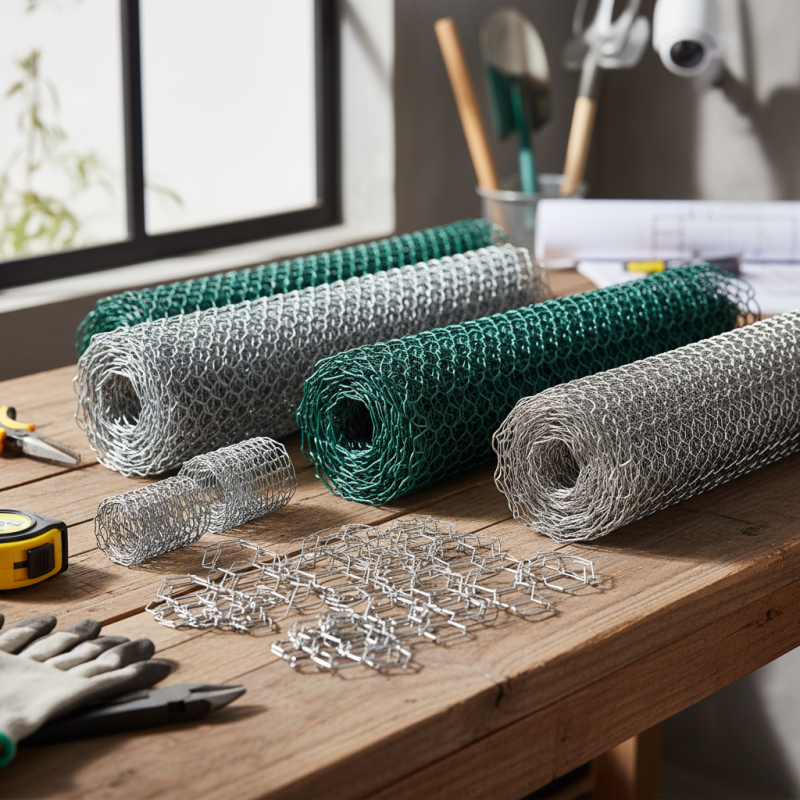
How to Choose the Right Hexagonal Wire Mesh for Your Project?
Choosing the right hexagonal wire mesh for your project can be challenging. This material is versatile, used in various applications from gardening to security. Understanding the specifications is essential to ensure it meets your needs.
hexagonal wire mesh comes in different materials and sizes. Options include galvanized steel, PVC-coated, and stainless steel. Each type has unique benefits, such as corrosion resistance or durability. You must consider the project environment.
Assess your project requirements carefully. What is the intended use? Is strength or flexibility more important? By addressing these questions, you can make a more informed choice. Remember, the wrong selection may lead to future complications. Take the time to reflect on your options.
Understanding Hexagonal Wire Mesh: Types and Uses
Hexagonal wire mesh is versatile. It serves various needs across industries. From agriculture to construction, its usage is broad. Understanding its types can help you decide best for your project.
There are several types of hexagonal wire mesh. Galvanized wire mesh is often used for fencing. It is durable against rust and corrosion. Stainless steel mesh offers high strength and longevity. However, it can be more expensive. PVC-coated wire mesh is popular for aesthetic purposes. It provides a colorful yet protective layer.
**Tip:** Always consider the environment where the mesh will be used. High humidity areas may require additional corrosion resistance.
Choosing the right size is also crucial. Hexagonal mesh comes in different hole sizes. Smaller holes are better for smaller animals in farms. Larger holes might suffice in construction for drainage. Remember, the wrong choice can lead to project failure.
**Tip:** Speak to professionals for guidance. They can provide valuable insights based on your specific needs. Ensure your choice aligns with your objectives.
How to Choose the Right Hexagonal Wire Mesh for Your Project? - Understanding Hexagonal Wire Mesh: Types and Uses
| Type of Hexagonal Wire Mesh | Material | Wire Diameter (mm) | Aperture Size (in mm) | Uses |
| Lightweight Hexagonal Mesh | Galvanized Steel | 1.0 | 25 | Chicken coops, garden fences |
| Heavy Duty Hexagonal Mesh | Stainless Steel | 2.0 | 50 | Pet enclosures, security fences |
| Plastic Coated Hexagonal Wire Mesh | Galvanized Steel with PVC Coating | 1.5 | 30 | Garden use, landscaping |
| Reinforced Hexagonal Wire Mesh | High Carbon Steel | 2.5 | 20 | Industrial applications, construction |
Factors to Consider When Selecting Hexagonal Wire Mesh
When choosing hexagonal wire mesh, several factors come into play. The project’s requirements are essential. Consider the diameter of the wire. Thicker wires offer greater strength. But they can be heavier and more difficult to handle. Lighter options might suit smaller tasks.
The size of the hexagonal openings matters too. Large openings allow for better airflow but may not provide enough support for smaller materials. Small openings are better for retaining soil in a garden project. Striking the right balance is key.
**Tips:** Think about the environment as well. Outdoor projects need materials that resist rust and corrosion. Galvanized options often work well. Always consider the installation process. Ensure you have the right tools for cutting and shaping the mesh. Poor installation can lead to costly repairs later, which can be frustrating. Evaluate your needs honestly to avoid potential pitfalls.
Assessing Material Options for Durability and Strength
When choosing the right hexagonal wire mesh, material options are crucial. Common choices include galvanized steel, stainless steel, and plastic-coated variants. Galvanized steel offers good resistance to rust and corrosion. However, its durability may not compare to stainless steel. Stainless steel, while more expensive, provides superior strength and longevity. Consider the environment where the mesh will be used. In humid or saltwater areas, stainless steel may be essential.
Plastic-coated mesh offers aesthetic appeal and some corrosion resistance. It is lightweight and easy to handle. Yet, it may not withstand heavy loads as well as metal options. Additionally, the coating can wear off over time, reducing durability. Think about your project's specific needs. Will it be exposed to harsh conditions? Or is it for indoor use? Each option has pros and cons. Weigh these carefully to make an informed choice.
Remember, the strongest material isn't always the best. Budget constraints may push you toward a less durable option. Sometimes, compromises must be made. A project’s success isn't only about material strength. It's also about how well the chosen material fits the intended application. Keep this balance in mind when selecting hexagonal wire mesh.
Evaluating Mesh Size and Gauge for Project Requirements
Choosing the right hexagonal wire mesh for your project involves careful consideration of mesh size and gauge. These two factors significantly impact durability and functionality. Mesh size refers to the openings in the wire mesh. A smaller size offers more strength, while a larger size provides greater visibility. Think about the materials or animals you are working with. They may require specific mesh sizes for safety.
Gauge indicates wire diameter. Thicker gauges provide more strength but may be more challenging to work with. Lighter gauges are easier to handle but may not offer the same durability. Selecting the right gauge requires evaluating the project’s demands. Consider load-bearing needs and environmental factors. For instance, a garden fence needs different properties than a structural mesh.
**Tips:** Test a few samples before committing. This step can help you avoid costly mistakes. Analyze feedback from others who have completed similar projects. Their insights can illuminate issues you might overlook. Remember, choosing the right hexagonal wire mesh often involves trial and error. Reflect on your choices as your project progresses. Adjust if necessary to meet the requirements effectively.
Comparing Cost and Availability of Hexagonal Wire Mesh Products
When selecting hexagonal wire mesh, cost and availability are crucial factors. Prices can vary based on material, gauge, and mesh size. Often, a heavier gauge costs more, but it offers better durability. Local availability can significantly impact your choice. A product widely available nearby may save shipping costs and time.
Tips: Always compare multiple suppliers. Gathering quotes from various sources helps you identify fair prices. Local stores may have seasonal discounts.
Consider the project’s specific needs. For garden fencing, lighter mesh is sufficient. However, for animal enclosures, thicker mesh is needed for strength. Sometimes, the least expensive option is not the best. Make sure that the quality meets your expectations.
Keep in mind that while some products may seem cheaper upfront, they might require replacement sooner. Reflect on the long-term costs versus initial expenses. Quality often outweighs price when considering durability and performance.
Hexagonal Wire Mesh Cost and Availability Comparison