What is desizing enzyme and how does it work in textiles?
desizing enzymes play a crucial role in the textile industry. They are essential for the removal of sizing agents used during fabric production. These agents can make fabrics stiffer and less absorbent. A recent industry report indicated that the global desizing enzyme market reached $350 million in 2022. Experts predict steady growth, driven by rising sustainability practices.
Dr. James Thompson, a renowned textile chemist, states, “desizing enzymes are pivotal in enhancing fabric quality while supporting eco-friendly processes.” This underscores their importance in modern textile manufacturing. While desizing enzymes present clear benefits, challenges remain. Not all enzymes are equally efficient. Variability in raw materials can hinder performance.
Incorporating desizing enzymes can also involve a learning curve. Manufacturers must adapt to new processes. Some may experience initial setbacks before achieving optimal results. It’s important for textile companies to critically evaluate their desizing methods. Embracing innovation can lead to improved products that meet consumer demands.
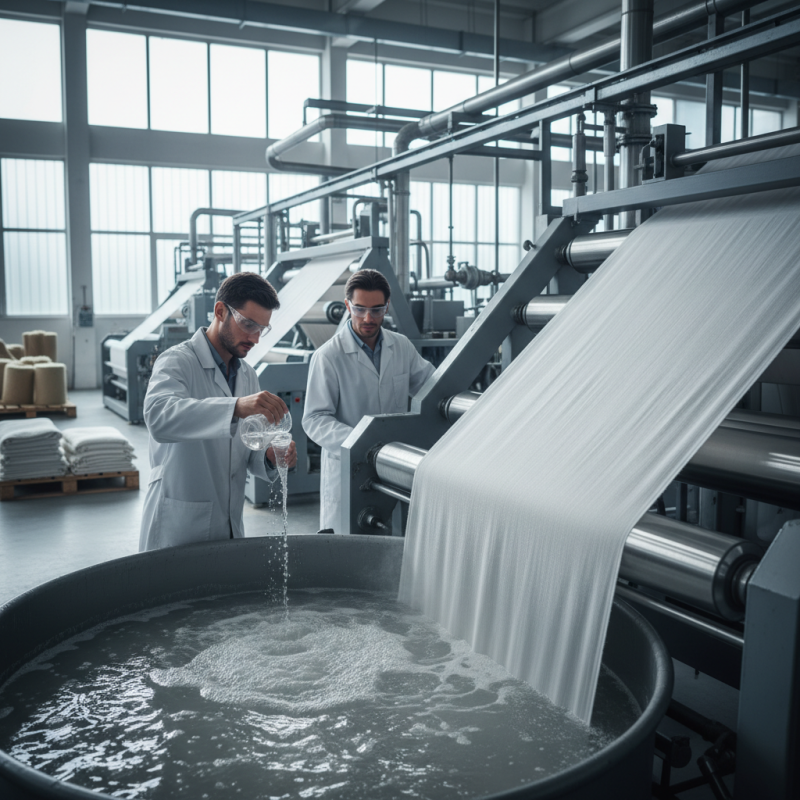
What is Desizing Enzyme in Textiles?
Desizing enzymes play a crucial role in the textile industry. These enzymes help remove starch and size materials from fabric after weaving. This process is essential for achieving the desired finish and improving dye uptake. The use of enzymes is growing, driven by sustainability trends. According to a report by Research and Markets, the global enzyme market in textiles is projected to reach $2.9 billion by 2026, highlighting a shift towards eco-friendly practices.
There are different types of desizing enzymes, including amylases and cellulases. Amylases specifically target starch, breaking it down into simpler sugars. This action allows for efficient removal, preventing any adverse effects on fabric quality. Cellulases contribute to smoother surfaces by removing residual fibers. Despite their effectiveness, challenges remain. The variability in fabric types can lead to uneven desizing results, necessitating careful control of application methods.
Moreover, enzyme activity is affected by pH levels and temperature. Inadequate conditions can reduce efficacy, leading to potential quality issues. Many manufacturers still rely on harsh chemicals, which can harm the environment. The trend towards enzyme usage aims to mitigate these effects while enhancing productivity. However, more research is needed to fully optimize enzyme applications in textiles for consistent and effective results.
The Role of Desizing Enzymes in Fabric Processing
Desizing enzymes play a vital role in fabric processing. These biocatalysts are crucial for removing sizing agents from textiles. Sizing is often applied to yarns to enhance their weaving properties. However, it can lead to issues if not adequately removed. Desizing enzymes help to break down these substances effectively.
These enzymes target polysaccharides, which are commonly used as sizing agents. They convert these complex molecules into simpler sugars. This process makes it easier to wash away unwanted residues. It improves the fabric's dye uptake as well. The result is cleaner, more vibrant textiles. Enzymes work best under specific conditions. Temperature and pH need to be optimized for efficiency.
Tips: Always conduct a small-scale test before applying desizing enzymes on a large batch. Timing is also essential; too short or too long treatment can affect quality. Regular checks during processing can help identify issues early, ensuring optimal results.
Types of Desizing Enzymes Used in Textile Manufacturing
Desizing enzymes play a critical role in the textile industry. They are used to remove size materials from fabrics before dyeing or finishing. There are several types of desizing enzymes that cater to different fabric types and size compositions. Some of the most common ones include amylases, proteases, and cellulases.
Amylases are widely used for starch-based sizes. They break down starch into simpler sugars. These enzymes are effective at low temperatures, making them energy-efficient. Proteases target protein-based sizes, often used in natural fiber fabrics. By hydrolyzing peptide bonds, they help remove protein residues. Cellulases are essential for cotton textiles. They can improve the fabric's softness while removing any residual sizing.
Choosing the right enzyme can be tricky. Factors like temperature, pH, and fabric type must be considered. An unsuitable enzyme may lead to incomplete desizing or fabric damage. It’s important to test enzymes on samples first. This can help avoid costly errors in production. Understanding the specifics of each enzyme can optimize overall textile processing efficiency.
What is Desizing Enzyme and How Does it Work in Textiles?
| Type of Desizing Enzyme | Description | Application in Textiles | Advantages |
| Amylase | Breaks down starches used in the sizing process. | Commonly used for cotton and blended fabrics. | Eco-friendly, effective at low temperatures, reduces water consumption. |
| Cellulase | Degrades cellulose fibers to remove residual sizing agents. | Used in denim finishing to enhance softness. | Improves fabric feel and appearance, environmentally friendly. |
| Protease | Breaks down protein-based sizes. | Useful for wool and silk fabrics. | Reduces chemical usage, enhances dye uptake. |
| Pectinase | Decomposes pectin used in natural fibers. | Applies to cotton and other cellulosic materials. | Improves color yield and efficiency in dyeing processes. |
Mechanism of Action: How Desizing Enzymes Work
Desizing enzymes play a crucial role in the textile manufacturing process. They focus on removing size materials, which are applied to fabrics during weaving. This process enhances the fabric's texture and prepares it for further treatment. Studies show that employing desizing enzymes can reduce the water and chemical consumption in mills by up to 30%. This efficiency is particularly significant in an industry where resource management is paramount.
The mechanism behind desizing enzymes involves specific biochemical reactions. These enzymes target and hydrolyze size agents such as starch, making them easier to wash out. By breaking down these complex molecules, enzymes facilitate faster and more effective removal. For instance, amylases are one common type of desizing enzyme used to hydrolyze starch into sugars. This action can drastically decrease the duration of the desizing phase in the textile process. Some studies indicate that with the use of enzymes, desizing time can be cut down to just 30 minutes.
However, the effectiveness of desizing enzymes can vary based on fabric composition and size type. There are instances where enzyme performance is not optimal, leading to residual sizes in the final product. This situation necessitates further research and fine-tuning of enzyme formulations to ensure complete size removal. While desizing enzymes undoubtedly present advantages, the challenges in their application highlight the need for ongoing evaluation in textile processing methods.
Advantages of Using Desizing Enzymes in Textile Production
Desizing enzymes play a crucial role in textile production. They help remove sizing agents applied to fibers. This process is vital for achieving desired fabric properties. Unlike harsh chemicals, enzymes offer a gentler touch. They target specific components without damaging the fibers.
Using desizing enzymes brings several advantages. They enhance the dye absorption of fabrics, improving color brightness. Enzymes also promote better finish quality, leading to softer textiles. Additionally, they are more environmentally friendly. The process requires less water than traditional methods, reducing resources.
However, the use of enzymes is not without challenges. The effectiveness can vary based on fabric type. In some cases, residues may remain, affecting the final product. Continuous research is needed to optimize these enzymes further. Quality control remains a crucial aspect in their application.