How to Determine Solar Borehole Pump Prices for Global Buyers?
In recent years, the renewable energy sector has grown exponentially, with solar technologies leading the charge. Solar borehole pumps are increasingly favored for their efficiency and sustainability. However, understanding the factors that influence Solar borehole pump price is essential for global buyers. According to a recent industry report, the market for solar borehole pumps is projected to reach $1.5 billion by 2025, reflecting a CAGR of over 12%.
Various components contribute to the pricing structure of these pumps, including the capacity, brand, and technological features. For instance, a basic solar borehole pump can cost around $1,200, while high-end models can exceed $5,000. Buyers must also consider installation costs and maintenance when evaluating total expenditures. Insights into regional pricing trends reveal disparities influenced by local demand and supply chain logistics.
Yet, prospective buyers face challenges in navigating this complex market. Often, prices can fluctuate due to factors like material costs and technological advancements. Detailed research and expert consultation may be required to make informed decisions. Understanding solar borehole pump price is not just about choosing a product but ensuring long-term value and efficiency.
Factors Influencing Solar Borehole Pump Prices for Global Buyers
When determining the prices of solar borehole pumps, several factors come into play. The first consideration is the pump's capacity and performance. Higher-performing pumps often come at a premium. Next, the materials used for construction greatly impact costs. Durable materials, like stainless steel, resist corrosion but may increase the price.
Also, geographic location matters. Shipping costs differ globally, impacting the final price. Local market conditions play a role as well. In areas with high demand and low supply, prices tend to rise. Another key factor is installation requirements. If the pump needs complex setup, this can boost overall expenses.
Buyers should also think about the technology involved. Smart features and energy efficiency can affect the price. However, looking exclusively at features may not always lead to the best choice. It’s vital to ensure that the chosen pump meets the specific needs of the borehole and water requirements. Balancing cost with the right specifications is essential for making a wise investment.
Comparing Different Types of Solar Borehole Pumps and Their Costs
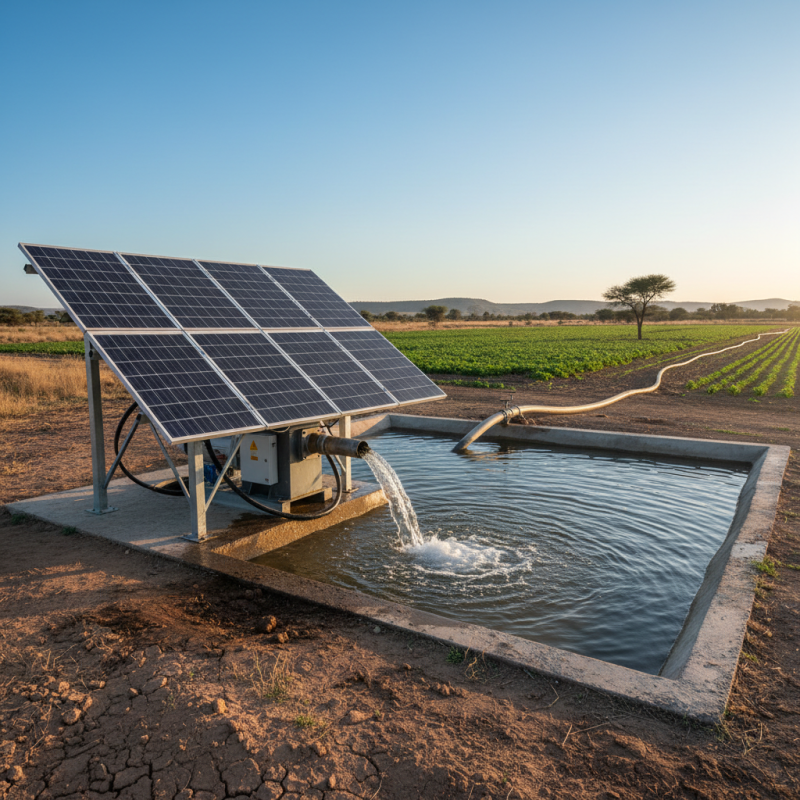
When exploring solar borehole pumps, knowing the types available and their costs is crucial. These pumps vary significantly in design. Some use surface-mounted panels, while others are equipped with submersible systems. Submersible pumps can be more efficient but might have higher installation costs. Surface pumps often require ongoing maintenance, which can add to their overall expense.
Prices can differ based on features. More advanced models may include variable speed controls or smart technology. These features can enhance efficiency but also increase the initial purchase price. It’s important to analyze your specific water needs and the borehole depth. A straightforward solution may be a basic model that matches your requirements without extra bells and whistles.
Buyers should also consider the long-term costs. Solar pumps generally have lower operating costs, but that doesn't mean they are free from issues. Regular maintenance is necessary, and some pumps might need parts replaced sooner than expected. This reality checks the appeal of low upfront costs. Balancing initial investment with future savings is key.
Understanding Regional Price Variations for Solar Borehole Pumps
When assessing solar borehole pump prices, it’s vital to consider regional variations. Prices fluctuate due to local factors such as labor costs, material availability, and market demand. For instance, in rural areas, transportation expenses may inflate the cost. Conversely, areas with high competition might lead to lower prices, creating a diverse pricing landscape.
Understanding the market context is crucial. Developing regions may offer more affordable options due to lower overheads. However, buyers should remain cautious, as cheaper doesn’t always mean better quality. It's worth noting that the pump specifications can also differ, impacting overall performance. Buyers often express confusion over how to balance cost and quality.
Buyers should prioritize regional suppliers who understand local conditions. This connection can lead to more tailored solutions. Engaging with local experts also helps in navigating the complexities of purchasing decisions. Price discrepancies shouldn't deter buyers; instead, they should reflect on their specific needs and long-term benefits. Keeping abreast of regional trends can empower buyers to make informed choices.
Assessing the Impact of Quality and Brand on Pump Pricing
When it comes to solar borehole pumps, quality and brand play a crucial role in determining prices. Buyers often face the dilemma of choosing between well-known brands and less recognized ones. Renowned brands typically offer advanced technology and extensive warranties. This can assure buyers of durability and efficiency. On the other hand, lesser-known brands may provide competitive pricing. However, they might lack established quality assurance.
The material used in pump manufacturing can greatly affect its longevity and performance. High-grade stainless steel pumps may offer better performance but usually come at a higher cost. In contrast, pumps made from lower quality materials may save money initially but can lead to greater expenses over time due to frequent repairs or replacements. Buyers should weigh initial costs against long-term reliability.
Understanding the balance between price, quality, and brand reputation is essential. Reading reviews or seeking expert opinions may help. However, insights can vary, leading to further confusion. A little research can provide more clarity, but not all sources are trustworthy. Potential buyers should remain cautious and informed.
Evaluating Installation and Maintenance Costs in Overall Pricing
When evaluating the cost of solar borehole pumps, installation and maintenance play a crucial role. These factors often determine whether a project is feasible or not. Installation can vary widely based on location, terrain, and the complexity of the system. It's essential to obtain multiple quotes from qualified professionals. This will help in understanding the market rates.
Maintenance is another critical aspect. Regular upkeep ensures the efficiency and longevity of the pump. Neglecting this can lead to higher costs later. Reliable maintenance providers can significantly reduce unexpected expenses. Check local service availability and their reputation in the community.
Tips:
- Always ask for a detailed breakdown of installation quotes.
- Explore any available warranties or service plans.
- Research local regulations that might affect overall costs.
Understanding these components enables better budgeting for your solar borehole pump project. The investment can seem daunting, but a clear analysis of installation and maintenance costs leads to informed decisions. Balancing upfront expenses with long-term savings is key.