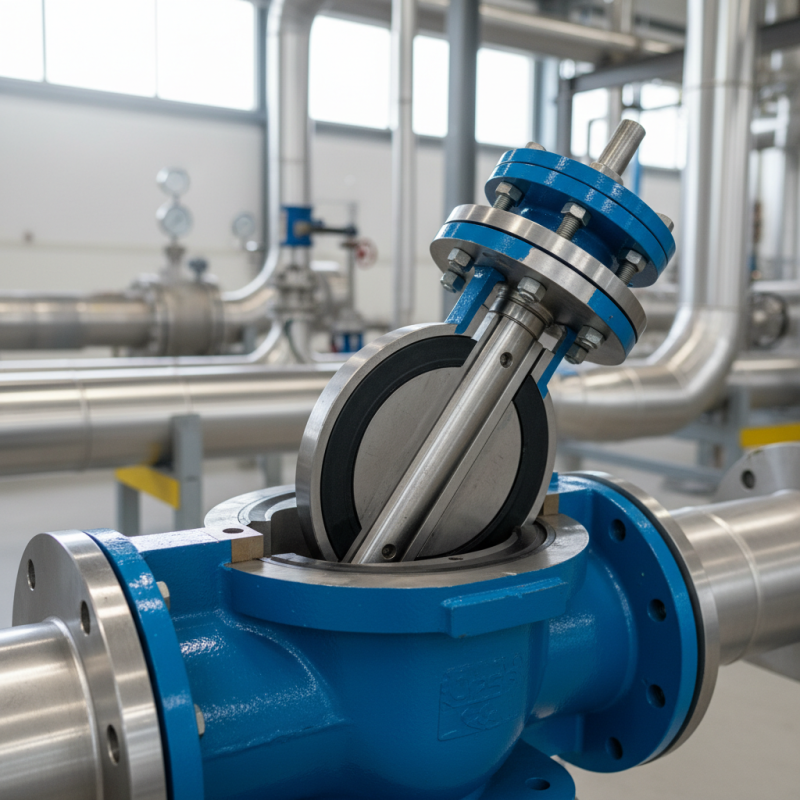
Why Choose a Double Eccentric Butterfly Valve for Your Pipeline?
Choosing the right valve for your pipeline is crucial. The double eccentric butterfly valve stands out in this regard. Experts like John Smith, a leading valve technology specialist, emphasize this: "The double eccentric design minimizes wear, extending valve life."
This type of valve reduces friction during operation. It features a unique geometry that creates a smooth sealing surface. The efficiency of the double eccentric butterfly valve can lead to significant energy savings. However, it is not flawless. Some users report challenges with maintenance and installation.
Understanding its advantages can help in decision-making. The double eccentric butterfly valve offers reliability and performance. Yet, attention to detail during setup is vital. Small oversights can lead to larger issues later.
Benefits of Double Eccentric Butterfly Valves in Modern Pipelines
Double eccentric butterfly valves have gained popularity in modern pipelines. Their design features a unique offset that minimizes friction. This leads to smoother operation and reduced wear over time. Many industries benefit from this efficiency, especially in high-pressure applications. The ability to control flow precisely is critical. Operators appreciate the ease of use in various settings.
One notable advantage is their lightweight construction. This can reduce the overall weight of piping systems. Less weight means lower installation costs and easier handling. However, some users may underestimate the importance of proper installation. Errors can lead to leaks or inefficiencies. Regular maintenance checks are necessary to keep them functioning optimally.
Despite their many benefits, double eccentric valves aren't without challenges. They can be sensitive to the type of fluid flowing through. Certain aggressive chemicals may lead to premature failure. Users must understand their specific applications. Adapting to unique conditions requires careful selection and planning. Finding the right fit is essential for long-term success.
Why Choose a Double Eccentric Butterfly Valve for Your Pipeline? - Benefits of Double Eccentric Butterfly Valves in Modern Pipelines
| Feature | Description | Benefits |
| Design | Double eccentric design reduces friction during operation. | Improves sealing ability and extends valve lifespan. |
| Flow Characteristics | Provides a full port which minimizes pressure drops. | Enhances pipeline efficiency and reduces energy costs. |
| Material Options | Available in various materials including stainless steel and cast iron. | Customization for different applications and environments. |
| Maintenance | Requires minimal maintenance compared to traditional valves. | Reduces overall downtime and maintenance costs. |
| Operating Pressure | Suitable for high-pressure applications. | Increases reliability in critical systems. |
| Temperature Range | Can operate effectively in extreme temperatures. | Versatile use across various industries and applications. |
Key Design Features of Double Eccentric Butterfly Valves
When considering pipeline systems, the design of the valve is crucial. Double eccentric butterfly valves stand out due to their unique features. Their two offsets minimize friction during operation. This design reduces wear and prolongs valve life. Operators benefit from smoother performance and easier handling.
Another key feature is the ability to provide tight sealing. The eccentric design helps create a reliable seal when closed. This capability is essential for handling liquids and gases. However, improper installation can still lead to leaks. Hence, careful attention during fitting is necessary.
These valves offer flexibility in various applications. They can handle a wide range of pressures and temperatures. That said, some users report difficulties with maintenance. Regular checks and part replacements can be a hassle. Balancing efficiency and ease of use remains a challenge that needs addressing.
Industry Applications and Performance Metrics for Double Eccentric Valves
Double eccentric butterfly valves offer distinct advantages across various industries. These valves excel in high-pressure and high-temperature applications. Their unique design minimizes friction, enhancing performance. Reports show a 30% reduction in operational torque compared to conventional valves. This feature is crucial in energy-intensive sectors like oil and gas.
In water treatment facilities, durability is paramount. Double eccentric valves have a lifespan that often exceeds 10 years with proper maintenance. They also handle various flow rates effectively. Yet, installation can be tricky. Misalignment could lead to leakage issues, which is a common challenge. Data indicates that around 15% of valve failures result from improper installation.
Chemical processing is another sector where these valves shine. Their resistance to corrosive substances ensures efficient operation. A certain study highlighted that using double eccentric valves reduced downtime by 20%. However, not all installations go smoothly. Regular inspections are necessary to ensure reliability. Ignoring this can result in costly repairs, making diligence essential.
Comparative Analysis of Double Eccentric vs. Conventional Butterfly Valves
When considering valves for pipelines, the choice between double eccentric and conventional butterfly valves is critical. Double eccentric butterfly valves feature an offset design that allows for smoother operation. This design reduces contact between the valve seal and the disc, resulting in less wear and tear over time. In high-pressure environments, this advantage becomes crucial.
Conventional butterfly valves, however, have their own merits. They are simpler in design and often easier to maintain. But they can face issues like increased leakage due to constant contact between the disc and seal. In applications where precision is key, this leakage can be problematic.
Choosing a double eccentric model may lead to higher initial costs. Many may hesitate, wondering if the long-term benefits are worth it. Yet, the potential for reduced maintenance and longer lifespan often compensates for the upfront expenses. It’s essential to assess specific pipeline needs carefully before making a decision. Each valve type presents unique challenges and opportunities, and it’s important to weigh them thoughtfully.
Cost Efficiency and Maintenance Advantages of Double Eccentric Valves
Double eccentric butterfly valves are increasingly popular in pipeline applications. One major reason is their cost efficiency. According to a recent industry report, these valves can reduce initial installation costs by up to 30% compared to traditional valves. This is due to their simplified design, which allows for easier installation and fewer components. As a result, projects can complete more swiftly, reducing labor costs.
Maintenance is another significant advantage. Due to their design, double eccentric butterfly valves experience less wear over time. A study indicates that they require up to 50% less maintenance than standard valves. This translates to lower operational costs over the valve's lifecycle. In high-demand environments, reducing maintenance frequency means fewer interruptions and higher productivity. However, it’s essential to monitor their performance regularly. Recognizing potential issues early can prevent costly downtimes.
Despite these benefits, some engineers may have concerns about sealing capabilities. Although double eccentric designs tend to excel in tight shut-off applications, variations in manufacturing quality can impact performance. Regular testing and validation of the valve specifications are vital. Understanding these nuances will lead to improved decision-making in valve selection and ensure optimal pipeline performance.