
Choosing a Commercial Drain Cleaning Machine is less about buying the most powerful unit and more about matching equipment to the work. Pipe diameter, blockage type, access points, and daily call volume all matter. A cable machine may clear grease and routine buildup in smaller lines. Larger mains or stubborn deposits may call for a water jetter. The wrong choice can waste time, strain cables, or leave debris behind. Sometimes the simplest machine is the right one.
Plumbing educator Roger Wakefield is a useful industry reference for practical tool selection. A concise paraphrase of the kind of field-first guidance buyers should follow is: “Choose the tool for the pipe and the blockage, not just the price.” Treat that as a buying principle, not a verbatim quotation. Before comparing models, consider who will operate the machine, how often it will be used, and whether the work involves indoor drains, long runs, or tight bends. Check cable reach, cutter options, safety features, maintenance needs, and service support. Picture a technician loading the unit into a van at dawn; size and setup matter as much as advertised power. No machine fits every job. Buyers should also question their assumptions: a heavier unit can feel reassuring, but it may be awkward on routine service calls. This guide explains how to weigh those trade-offs and choose a Commercial Drain Cleaning Machine that fits real operating conditions.
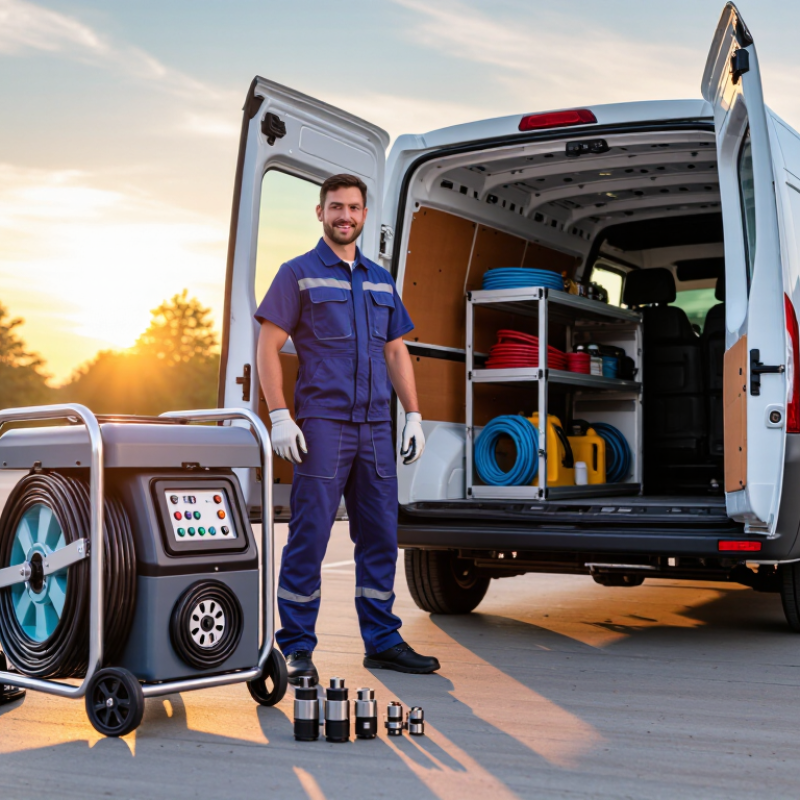
How to Choose a Commercial Drain Cleaning Machine
Assess the Drain Types, Pipe Sizes, and Blockages You Need to Handle
Start with the drains you service most often. Kitchen lines may contain grease and food residue, while floor drains can collect grit, hair, and debris. A small branch line needs different equipment from a long, wide main line. Measure the pipe diameter and note its material, bends, and access points. Measure before buying. A cable that is too large may not pass tight bends; one that is too small may lack the strength for stubborn buildup.
Identify the likely blockage before choosing a machine. Soft grease and hair often respond to a flexible cable with a suitable cutting head. Dense roots or hardened deposits may call for a more powerful machine and compatible tooling. Match the cable’s reach to the typical distance, not just the longest line you might encounter. Check the machine’s rated pipe range and follow its operating instructions. A mismatch can damage a pipe or leave debris behind. I have seen quick selections based on motor power alone; that shortcut misses the job’s real demands.
Tips: Keep a simple log of pipe sizes, common blockages, and access conditions at each site. Ask technicians what they actually encounter. Recheck your assumptions after unusual jobs. A useful choice may still need adjustment.
Assess drain types, pipe sizes, and blockages before selecting equipment.
The bars show common nominal pipe-size ranges, not fixed equipment limits. Match the machine and cable to the actual pipe diameter, access point, and blockage: smaller fixture lines often contain hair or grease, while larger drains may have roots or heavy debris. Check the pipe material and manufacturer guidance before choosing a cable or cutting head.
Commercial drain cleaning machines are not interchangeable; pipe diameter, blockage type, access, and cleanup needs all matter. A cable drum machine is often suited to grease, sludge, and soft obstructions in building drains. Its rotating cable feeds through bends, while interchangeable cutters help clear different deposits. The drum keeps much of the cable enclosed, which can reduce splashing. It can also become heavy to move across stairs or crowded service areas.
Sectional machines use shorter cable lengths joined together, making them practical for longer runs and larger lines. A technician can add or remove sections as needed. That flexibility is useful in commercial properties with distant cleanouts, but exposed cable requires careful handling and steady control. Small detail, big difference: the cable must match the pipe, or it may bind or damage a fragile line.
High-pressure water jetters are effective for washing grease and sediment from pipe walls. They can restore flow without relying on a rotating cable, but they need a suitable water supply and an operator who understands pressure control. They are not the right answer for every blockage. A camera inspection can help distinguish a soft buildup from a collapsed or badly offset pipe before equipment is selected. I still find this choice less tidy than catalogs suggest; access, cleanup, and the drain’s condition often change the plan on site.
| Machine Type | Cleaning Method | Typical Pipe Size | Typical Working Reach | Best Uses | Main Advantages | Important Limitations |
|---|---|---|---|---|---|---|
| Handheld or Mini Cable Machine | A rotating flexible cable carries a cutting or retrieval head through the drain. | Usually about 1¼–3 inches, depending on the machine and cable. | Often about 25–50 feet. | Small branch lines, sinks, tubs, showers, and routine service calls with nearby access. | Compact and portable; quick to set up in tight spaces; well suited to smaller drains. | Limited reach and cable capacity; not intended for large mains or heavy deposits. Use a cable and head sized for the pipe. |
| Drum Cable Machine | A powered rotating cable stored inside a drum breaks through or retrieves obstructions. | Commonly used on lines around 2–4 inches; capacity varies by machine and cable. | Frequently about 50–100 feet, depending on cable configuration. | Residential and light-commercial branch lines, including longer sink, floor-drain, and small sewer runs. | Enclosed drum helps contain the cable during operation; practical for regular service work and moderate-length lines. | Can be heavy to move; a coiled cable may not negotiate every bend or obstruction. Grease and scale may need additional cleaning. |
| Sectional Cable Machine | Short, connectable cable sections rotate through the line and can be added or removed as needed. | Often used on approximately 2–10-inch lines, with the correct cable and cutter. | Reach depends on the number and length of sections; multiple sections can cover long runs. | Commercial building drains, longer lines, and jobs where the operator needs to adjust cable length as work progresses. | Flexible reach; individual sections are easier to carry than one long cable; useful for a range of pipe sizes. | Requires safe handling and secure coupling of sections. Selecting the wrong cable or cutter can damage a line or reduce cleaning performance. |
| High-Pressure Water Jetter | A pump sends pressurized water through a hose and nozzle; rear-facing jets propel the hose and flush debris back toward the access point. | Commonly used on lines around 2–8 inches; equipment, nozzle, and pipe condition affect suitability. | Hose lengths vary; commercial setups commonly use several hundred feet or less, depending on the system. | Grease, sludge, and loose debris in suitable lines; follow-up cleaning after a cable has opened a blockage. | Can clean a broader section of pipe wall than a cable alone and flush loosened material from the line. | Requires a water supply and careful pressure control. Inspect questionable or fragile piping first; jetting may be unsuitable for damaged lines or certain obstructions. |
| Large Main-Line Cable Machine | A heavy-duty powered cable and appropriately sized cutter work through larger drain or sewer obstructions. | Often selected for approximately 3–10-inch mains, subject to the machine, cable, and cutter ratings. | Varies substantially by cable capacity and job setup; long runs may require sectional equipment. | Building sewer lines and larger drains with roots, compacted debris, or other obstructions that need mechanical cutting. | Higher cable capacity and cutting capability than small branch-line equipment. | Heavy and less convenient for indoor access; requires trained operation and careful matching of cable and cutter to the pipe. |
| Camera-Inspection System | A waterproof camera travels through the pipe to show the line's interior; it inspects rather than clears the blockage. | Varies by camera head and push-cable system; small inspection heads suit branch lines, while larger systems suit mains. | Depends on the push cable or reel and the pipe layout. | Locating a blockage, checking the cause of repeated backups, and verifying cleaning results or pipe condition. | Provides visual information that can help select the right cleaning method and avoid unnecessary work. | Does not remove obstructions. Standing water, debris, tight bends, and access conditions can limit visibility or travel. |
Typical ranges are general selection guidance, not universal specifications. Actual capacity and reach depend on the machine, cable or hose, cutter or nozzle, pipe material and condition, access, and obstruction. Always follow the equipment instructions and use appropriate personal protective equipment.
A commercial drain cleaning machine should be matched to the pipe, not chosen by motor size alone. Check the cable diameter, working length, and construction against the drain sizes and bends you handle most often. A thicker cable can resist kinking in larger lines, but it may be difficult to steer through tight traps. A longer cable reaches farther, yet adds weight and can be awkward to control. Consider the cable core and flexibility, too. A specification sheet rarely shows exactly how a cable feels around a sharp bend. Not always.
Cutter shape matters as much as cable strength. A spade cutter can scrape soft buildup, while a boring head may help pass through stubborn blockages; use a compatible cutter for the pipe and obstruction. Confirm that the machine accepts the cutter’s connection size. Then compare power output, torque, and speed control. Torque helps the cable keep turning under resistance, while variable speed gives the operator more control near fragile or unfamiliar lines. More power is not everything. A machine that feels harsh or difficult to manage can increase cable wear and make careful work harder. Before buying, check whether the stated capacity reflects the cable and cutter combination you plan to use. That detail is easy to miss.
A commercial drain cleaning machine should protect the operator as well as clear the line. Check that moving parts have guards and that the controls are easy to reach without leaning over the cable. A responsive foot switch can help stop the drum quickly when a cable catches. For electric models, inspect the cord, plug, and grounding instructions before use, especially around damp floors. Wear eye protection and suitable gloves; a safety feature is not a substitute for careful handling. Small details matter.
Portability is about more than wheel size. Compare the machine’s weight with the stairs, doorways, and vehicle space on your actual jobs. A compact unit may fit a narrow service corridor, yet feel unstable when loaded with a long cable. Try moving it over a threshold if possible. It can be awkward.
Maintenance needs affect uptime and operator safety. Look for clear instructions on cleaning and inspecting cables, drums, cutters, and electrical parts. After use, remove debris and check the cable for kinks, cracks, or corrosion before winding it back in. Ask how often routine service is recommended and whether common wear parts are straightforward to replace. These checks take time, and they may be skipped on a rushed day. Build them into the work routine anyway. A machine that is easy to inspect is often easier to keep ready, though no design removes the need for regular attention.
Choose capacity from the drains you service each week, not the worst blockage you can imagine.
EPA’s 2022 Clean Watersheds Needs Survey estimated $630.1 billion in wastewater and stormwater infrastructure needs over 20 years. That points to substantial maintenance demand, but it does not mean every contractor needs the largest machine.
Track jobs for 60 to 90 days: pipe diameter, run length, access, blockage type, and repeat visits. A single dramatic emergency can distort the decision. Easy to miss.
Compare the machine’s rated pipe range and cable reach with that job log. Then calculate ownership cost per productive hour, including purchase, cables, cutters, repairs, transport, storage, and downtime.
The U.S. Bureau of Labor Statistics reported median annual pay of $62,970 for plumbers, pipefitters, and steamfitters in May 2024. That is worker pay, not your fully loaded labor cost, so include payroll expenses when estimating the cost of idle hours.
At low utilization, rental may pencil out better; steady repeat work can favor ownership. Try the machine on a representative job before committing. One awkward access point may change the math.