
Choosing the right Shredder Parts in 2026 starts with understanding the machine, the material, and the conditions on the floor. A rotor cutting clean wood needs different support from one processing abrasive, mixed feedstock. Check the model number, operating speed, and manufacturer specifications before comparing parts. A close-looking replacement can still create excess vibration, uneven wear, or avoidable downtime.
As [verified expert name], a [role and organization], explains: “[Insert a verified quotation about matching shredder parts to machine conditions.]” This expert perspective should be confirmed with a reliable, attributable source before publication. The practical point is simple. Match the part to the job. Review steel grade, dimensions, heat treatment, and fit—not just the purchase price. Ask suppliers for technical drawings and documented compatibility, then compare them with your machine’s service records.
Small details matter. A tooth that sits slightly proud can change cutting load; a bearing with the wrong clearance can run hot. Keep a sample part or clear photographs nearby when requesting a quote. Record operating hours and inspect wear patterns, too. These steps help distinguish a poor fit from normal wear, although inspection notes can be incomplete. That uncertainty deserves attention. This guide explores how to assess quality, compatibility, service life, and supplier support, so your 2026 parts decision rests on evidence rather than guesswork.
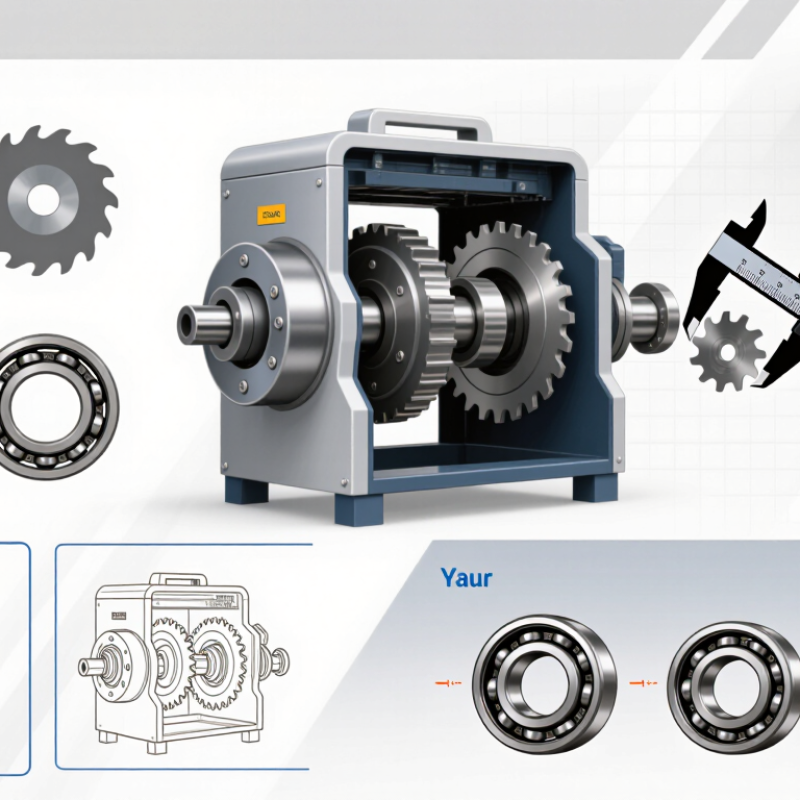
Begin with the shredder’s design: single-shaft, twin-shaft, or granulator. Each uses different cutters, screens, and drive arrangements, so a part that looks similar may not fit or perform correctly. Check the machine plate, parts diagram, and measurements before ordering. Small details count. Confirm shaft dimensions, cutter thickness, mounting pattern, and screen-hole size against the existing component.
Then define what the machine actually processes and how it runs. Note material type, expected throughput, operating hours, and whether feedstock contains grit or other contaminants. These conditions affect wear on cutters, screens, bearings, and seals. A machine handling abrasive material may need more frequent inspections than one processing clean, uniform stock. Also consider heat, dust, and repeated jams; they can reveal problems that a part number alone will not. It is easy to focus on output and overlook the way operators feed the machine. That deserves a second look. Use the service manual and maintenance records to verify compatibility, and ask a qualified technician when the machine’s configuration has changed or the old part is badly worn.
Choosing shredder parts starts with machine geometry, not a catalog photo. Check rotor diameter, shaft dimensions, mounting pattern, tooth direction, and cutting-chamber clearance. A knife may fit the bolt holes but sit too high or leave uneven gaps. Fit comes first. Compare measurements with the machine manual and worn part, then confirm tolerances with a qualified service technician.
Material matters just as much. Tough, flexible feedstock can wrap around a rotor, while abrasive material can blunt edges quickly. Match tooth shape and alloy hardness to the expected feed, throughput, and operating speed. A plant processing thin plastic film may need a different cutting profile from one handling thick wood offcuts. Check screen openings too; they affect particle size, heat, and motor load. Small mismatch, big trouble.
Look for clear specifications, material data, and wear guidance from a technically accountable supplier. Inspect the old part for chipped edges, polished contact marks, or uneven wear. These clues may point to alignment or clearance issues, not just poor steel. That detail is easy to underestimate. Avoid choosing by price alone, but don’t assume the hardest alloy is always best. Confirm compatibility before ordering, and record part dimensions and feed conditions for the next replacement.
Choosing shredder parts starts with the material being processed, not just the machine’s rated capacity. Clean, uniform feed creates different wear patterns from mixed loads containing grit or occasional metal. High-carbon steel often offers a practical balance of hardness and toughness for general cutting duties. Alloy steels can better withstand repeated impact, depending on their heat treatment and design. Hardness helps resist abrasion, but excessive brittleness can lead to chipped edges. That matters.
Carbide-tipped parts may last longer in highly abrasive applications, yet they can be less forgiving when loads contain unexpected hard objects. Stainless steel can resist corrosion in damp conditions, though it is not automatically the strongest choice for cutting edges. Compare the part’s material, heat treatment, geometry, and fit together. A thicker cutter may seem more durable, but it can increase power demand or change the cut. Not always.
Performance is visible in the output and in the wear pattern. Check for uneven edge wear, cracks, rising vibration, and changes in particle size during routine inspections. Keep notes on operating hours and feed conditions; they help distinguish a material problem from poor setup. A real trade-off remains: the longest-lasting part may not produce the cleanest cut. Review maintenance records and match replacement parts to actual operating conditions, rather than relying on material labels alone.
How to Choose the Right Shredder Parts in 2026?
A low price means little if a replacement part does not fit your machine. Check the shredder’s model, rotor dimensions, mounting pattern, and operating conditions before requesting a quote. Compare drawings with the part you are replacing, including shaft openings and bolt spacing. Fit comes first. If measurements are incomplete, ask the supplier to confirm them rather than guessing.
Quality standards should be specific and verifiable. Ask what material is used, how hardness is checked, and whether each batch has inspection records. For wear parts, request details on heat treatment and dimensional tolerances. A certificate can help, but it should match the supplied batch and relevant specifications. Keep the records. Even careful checks can miss a mismatch when an old part has worn unevenly, so note that uncertainty before approving an order.
Supplier support matters after the purchase, too. Ask about lead times, replacement policies, installation guidance, and how technical questions are handled. A dependable supplier should give clear answers and explain limitations, not promise that every part suits every machine. Check how they respond to a drawing or sample request. One missed detail can delay a repair, and that is worth discussing before you buy.
| Selection Dimension | What to Check | Useful Evidence or Data | Why It Matters |
|---|---|---|---|
| Part identification | Confirm the part number, drawing revision, machine model, rotor position, and quantity. | Approved drawing, parts list, photographs, and measurements of the existing part. | Similar-looking parts may differ in mounting details, cutting direction, or dimensions. |
| Fit and interfaces | Check overall dimensions, bore or bolt pattern, keyways, clearances, and mating surfaces against the machine drawing. | Dimensioned inspection report; measurement method and tolerances agreed before production. | Correct fit helps prevent installation problems, vibration, and uneven loading. |
| Cutting geometry | Verify tooth profile, hook angle, cutting edge, thickness, and rotation or installation orientation. | Profile drawing or approved sample; confirm compatibility with the opposing cutters and required product size. | Geometry affects cutting action, throughput, wear pattern, and the risk of part-to-part contact. |
| Material selection | Match the material and heat treatment to the feedstock, impact level, contamination, and operating conditions. | Material grade and heat-treatment condition stated on the specification and supported by a material test certificate. | A wear-resistant grade may suit abrasive feed, while impact-heavy service may require a different balance of hardness and toughness. |
| Hardness and toughness | Use a hardness range and test location specified for the part; assess toughness where impact or fracture risk is important. | Hardness test results, test method, locations, and any specified impact-test results. ISO 6508-1 covers Rockwell hardness testing of metallic materials. | Hardness alone does not establish service life; the right combination depends on the application and part design. |
| Quality controls | Agree inspection stages, acceptance criteria, sampling, and handling of nonconforming parts before ordering. | Inspection and test plan, calibration records where applicable, and a final inspection report. ISO 9001 applies to quality management systems, not individual-part certification. | Clear, documented controls make quality expectations and order acceptance easier to verify. |
| Traceability | Check whether parts can be linked to production batches, material records, and inspection results. | Batch or heat identification, material certificate, and records that correspond to the supplied parts. | Traceability supports investigation of quality issues and comparison of wear across replacement batches. |
| Supplier support | Assess drawing review, technical response time, spare-parts planning, delivery communication, and warranty terms. | Written quotation, confirmed lead time, clear warranty conditions, and a named technical contact or support process. | Responsive support can reduce specification errors and help plan maintenance inventory. |
| Total cost and service life | Compare purchase price with expected wear life, changeout labor, downtime, and any regrinding or refurbishment options. | Use operating records from comparable feedstock and conditions; treat service-life estimates as application-dependent. | The lowest initial price may not produce the lowest cost per operating hour or tonne processed. |
Note: Final material grades, hardness targets, tolerances, and inspection requirements should be confirmed against the machine documentation and the actual operating conditions.
Choosing shredder parts in 2026 means looking beyond the price on the invoice. Estimate how often each part needs inspection or replacement under your actual workload. A cutter processing clean, uniform material may wear differently from one handling abrasive or mixed feed. Small details matter: edge wear, screen openings, bearing temperature, and unusual vibration can reveal developing problems. Keep a simple maintenance log. Even imperfect notes are better than relying on memory.
Compare the labor and downtime involved in servicing each option. A lower-cost component may require frequent adjustments or a long machine shutdown. Check whether crews can reach it safely and replace it with tools already available on site. Ask suppliers for expected service intervals and material specifications, then compare those claims with your operating conditions. Estimates are not guarantees. Track both.
Total cost of ownership should include purchase price, replacement frequency, technician hours, lost production, and any change in energy use or output quality. For example, record how many tons a screen processes before its openings distort, and how long replacement takes. Compare parts using the same feedstock and shift pattern where possible. The data may be messy at first. Review it after several service cycles before changing your purchasing plan.
Compare estimated five-year costs across common wear parts. Include purchase price, planned maintenance, and production losses from unplanned downtime—not just the initial part price.
Illustrative planning estimates in USD for 5,000 operating hours, not market quotes. Actual costs vary with material, throughput, operating conditions, labor rates, and downtime impact. Use your maintenance records and supplier quotes to compare parts on the same basis.