What is Industrial Machinery Manufacturing and Its Global Impact?
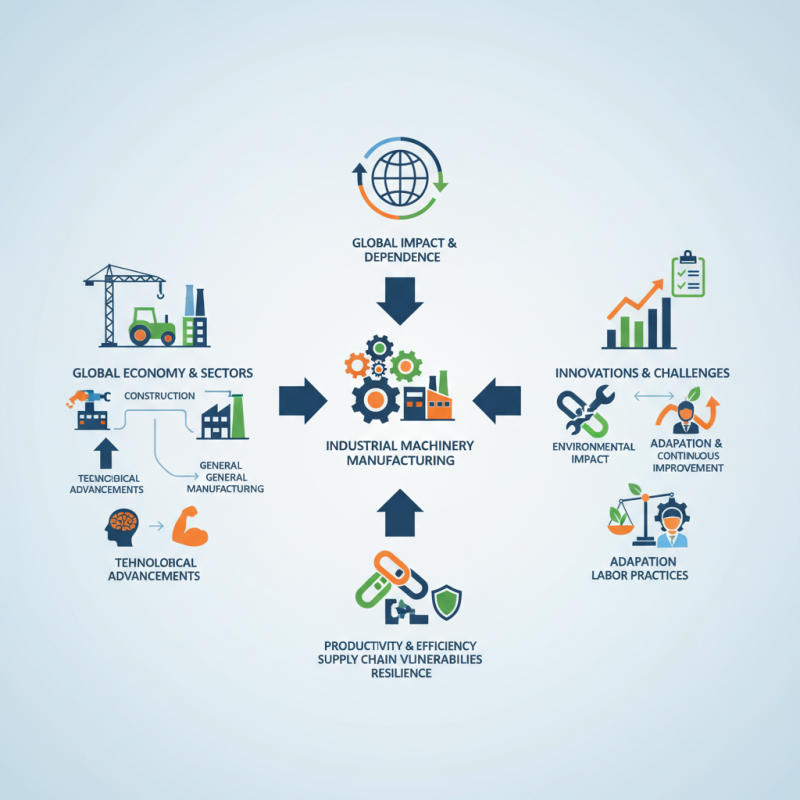
Industrial Machinery Manufacturing plays a crucial role in the global economy. It involves the production of machines used in various industries, such as construction, agriculture, and manufacturing. This sector not only drives technological advancements but also influences job creation worldwide.
The impact of Industrial Machinery Manufacturing extends beyond national borders. Countries depend on machinery to enhance productivity and efficiency. However, this reliance can create vulnerabilities in supply chains. Disruptions, like those experienced during the pandemic, highlight the need for resilience in this industry.
As we explore the nuances of Industrial Machinery Manufacturing, it is essential to recognize both its innovations and its challenges. The sector must adapt to shifting market demands while maintaining high standards of quality and safety. Continuous improvement is paramount, and the industry must confront issues such as environmental impact and labor practices.
Definition of Industrial Machinery Manufacturing
Industrial machinery manufacturing is a critical sector in the global economy. It involves the design and production of machinery used in various industries, such as construction, agriculture, and manufacturing. This industry is responsible for providing essential tools that increase efficiency and productivity. In 2021, the global industrial machinery market was valued at approximately $740 billion, showcasing its significance.
The processes within industrial machinery manufacturing consist of several stages. Initially, raw materials are acquired and transformed into components. Skilled workers and advanced technologies are essential for assembling these parts into functional machinery. According to industry reports, the demand for industrial machinery is expected to grow by 6% annually over the next five years. This growth presents both opportunities and challenges.
While advances in automation and robotics enhance productivity, they raise concerns about job displacement. The shift towards smart technologies requires new skills. Many existing workers may struggle to adapt. Companies face the challenge of training their workforce to meet evolving demands. Overall, while industrial machinery manufacturing drives economic growth, it necessitates continuous evaluation of its impact on labor and industry practices.
Key Processes in Industrial Machinery Production
Industrial machinery production is a complex field. It involves various key processes that ensure machines are built to exact standards. One primary process is design engineering. Engineers use advanced software tools to create blueprints for machinery. This phase requires precision and creativity to meet different industry needs.
Manufacturing techniques follow design. Fabrication, welding, and assembly are crucial steps. Each of these processes requires skilled labor and specialized equipment. For instance, welding demands dexterity and knowledge of metals. It is a delicate art that can impact the machine's overall performance. Additionally, quality control is essential during production. Regular inspections help catch defects early, but some errors still slip through. This reflects a need for continuous improvement.
After assembly, testing takes place. Machines undergo rigorous tests to ensure they function correctly. However, not all tests can simulate real-world conditions. Some unexpected failures may arise later, leading to recalls. Addressing these challenges is crucial for manufacturers to maintain credibility and efficiency.
Industrial Machinery Manufacturing: Global Production Output in 2023
Major Industries Utilizing Industrial Machinery
Industrial machinery plays a crucial role across various sectors. Manufacturing, construction, and agriculture are just a few areas benefiting from this technology. For instance, in construction, heavy machinery like excavators and cranes speed up processes significantly. These machines help build infrastructure more efficiently, but they also raise questions about sustainability and resource use.
In agriculture, industrial machinery enhances productivity. Tractors and harvesters enable farmers to cultivate large areas quickly. However, reliance on these machines can lead to soil degradation and environmental concerns. The balance between efficiency and ecological impact is a challenge many industries face today.
The automotive industry also heavily relies on industrial machinery for production. Assembly lines equipped with robotic arms ensure precision and speed. Yet, there are ongoing debates about job displacement due to automation. Finding a way to integrate technology while maintaining workforce stability remains a complex issue. The conversation around industrial machinery is evolving, highlighting both its benefits and potential drawbacks.
Global Economic Impact of Industrial Machinery Manufacturing
Industrial Machinery Manufacturing plays a vital role in the global economy. It creates essential equipment for various sectors like construction, mining, and agriculture. This manufacturing sector supports job creation and economic growth worldwide. It generates millions of jobs, directly and indirectly, and this influence spans across borders.
The impact of industrial machinery extends beyond immediate economic gains. It enhances productivity and efficiency in various industries. However, there are challenges like market fluctuations and rising competition. Companies must innovate continuously to stay relevant. Unforeseen circumstances such as supply chain disruptions can significantly impact production.
Moreover, the environmental implications are a growing concern. Industrial machinery manufacturing consumes resources and produces waste. Therefore, companies are urged to adopt sustainable practices. This shift not only benefits the planet but can also enhance operational efficiency. Balancing economic growth and environmental sustainability remains a complex yet crucial issue in this industry.
Future Trends and Innovations in Industrial Machinery Production
The future of industrial machinery production is increasingly shaped by innovation and technology. Advances in automation are leading the way. Factories now utilize robotics for tasks like assembly and inspection. This adaptability improves productivity, yet raises concerns over job displacement. Balancing technology and workforce needs is a pressing issue.
Sustainability is also a key trend. Manufacturers are focusing on eco-friendly practices. Energy-efficient machines and materials are in demand. However, many companies struggle with the initial costs of these innovations. Transitioning to green technologies is challenging but necessary for long-term viability.
Another trend is digital transformation. Data analytics and the Internet of Things enable real-time monitoring of machines. This can enhance performance, but also requires significant workforce retraining. Adopting new technologies can be intimidating, creating hesitance among some manufacturers. Adapting to these changes remains a complex journey, but it is essential for future growth.