What is MGO Structural Insulated Panels Benefits and Uses?
MGO Structural Insulated Panels are changing the construction landscape. These panels combine magnesium oxide with insulating materials. The result is a building solution that offers energy efficiency and safety.
Using MGO Structural Insulated Panels ensures better thermal insulation. This efficiency can lead to significant energy savings. Moreover, they are fire-resistant, which offers an added layer of safety. These panels can be used in various applications, from residential homes to commercial buildings.
There are challenges to consider as well. Installation requires skilled labor, and the upfront costs can be higher than traditional materials. Reflecting on these factors is essential for making informed decisions. Understanding both benefits and drawbacks will lead to better outcomes in construction projects.
What are MGO Structural Insulated Panels?
MGO structural insulated panels (SIPs) are gaining attention in the construction industry. These panels use magnesium oxide as the primary component, providing a sturdy framework combined with excellent insulation properties. MGO SIPs have been recognized for their energy efficiency, contributing to lower energy costs in both residential and commercial buildings.
Research shows that MGO panels can achieve R-values between 15 and 25. This range significantly enhances the thermal performance of structures. The lightweight nature of these panels also simplifies installation, reducing labor time and costs. Additionally, they are fire-resistant, which is a critical factor in safety. Homebuilders across the globe are increasingly leaning towards MGO SIPs for their durability and insulation capabilities.
Tips: When selecting MGO SIPs, look for certified manufacturers. Examinations of samples can ensure quality. It's also worthwhile to evaluate the environmental impact of these panels. Some reports suggest possible issues with product longevity under extreme weather conditions. Always do thorough research before purchasing.
Key Benefits of MGO Structural Insulated Panels
MGO Structural Insulated Panels (SIPs) offer a range of key benefits for modern construction. These panels are made from Magnesia (MGO) composite materials, which provide exceptional thermal insulation. Studies indicate that MGO SIPs can improve energy efficiency by up to 50% compared to traditional building materials. This reduction in energy consumption leads to significant cost savings over time.
Beyond energy efficiency, MGO SIPs are fire-resistant and non-toxic, promoting safety in building applications. According to the U.S. Department of Energy, structures using MGO panels can withstand temperatures exceeding 1,200 degrees Fahrenheit. This characteristic makes them ideal for both residential and commercial properties. Moreover, MGO panels are resistant to moisture and mold, which can prolong the life of a building.
While MGO SIPs present numerous advantages, there are considerations to keep in mind. The initial investment may be higher compared to conventional framing materials. Additionally, installation requires trained professionals familiar with MGO assemblies. As the market evolves, ongoing research is needed to optimize production techniques and address these challenges. However, the long-term benefits, including reduced maintenance and energy costs, make MGO SIPs a compelling choice for environmentally conscious builders.
Common Applications of MGO Structural Insulated Panels
MGO Structural Insulated Panels (SIPs) have become increasingly popular in construction. Their lightweight and durable nature makes them ideal for various applications. These panels provide excellent insulation and energy efficiency. Reports indicate that structures built with MGO SIPs can save up to 40% on energy costs in comparison to traditional building methods.
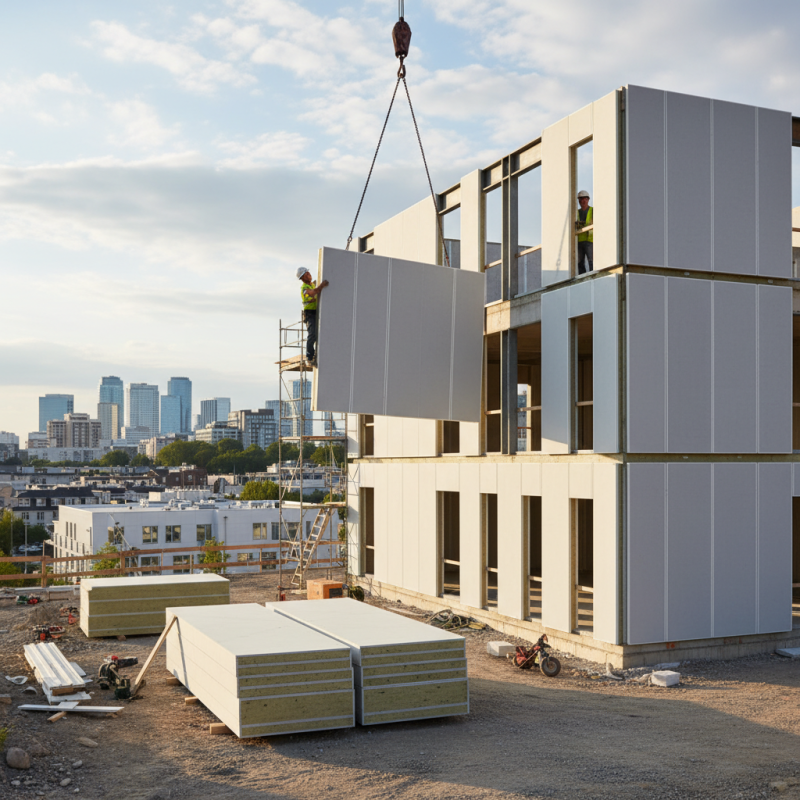
In residential construction, MGO SIPs are often used for walls and roofs. They reduce construction time significantly. These panels can be prefabricated, allowing for quick assembly on-site. As a result, homes can be completed in a fraction of the time it takes using conventional methods. This is particularly advantageous in urban areas where time and space are limited.
Commercial applications of MGO SIPs are also on the rise. They are increasingly used in office buildings and warehouses. MGO SIPs can withstand harsh weather conditions. However, there are still concerns around long-term durability and potential moisture absorption. Ensuring proper installation and maintenance is essential. As the industry evolves, continuous research is needed to address these issues.
Comparison with Traditional Insulated Panel Materials
MGO structural insulated panels are gaining attention for their unique advantages over traditional insulated panel materials. One major benefit is their thermal efficiency. MGO panels use magnesium oxide, which provides excellent insulation. This can lead to lower energy costs for heating and cooling. Traditional materials like polystyrene may not offer the same level of insulation, potentially wasting energy.
Another advantage is the fire resistance of MGO panels. Unlike traditional insulation options, MGO is non-flammable and does not release toxic gases when exposed to heat. This makes MGO a safer choice in various applications, from residential to commercial buildings. The durability of MGO also stands out. It is resistant to moisture and pests, extending the life of the structures built with these panels.
Tips: When considering construction materials, evaluate the specific needs of your project. MGO panels may be more beneficial in environments prone to moisture. Ensure that your design accounts for potential thermal bridging, which can occur with any material. Always consult with professionals to determine the best materials for your specific conditions.
Installation and Maintenance Considerations for MGO Panels
MGO structural insulated panels offer numerous advantages, but installation and maintenance require careful consideration. When installed correctly, these panels provide excellent thermal insulation. Studies show that MGO panels can achieve R-values ranging from 20 to 30, significantly outperforming traditional materials. Proper sealing during installation is crucial to maximize energy efficiency. Gaps can lead to thermal bridging, undermining potential benefits.
Maintenance of MGO panels is similarly important. While they are resistant to moisture and pests, inspection is vital. Regular checks ensure that any damage is addressed promptly. A report from the Building Research Establishment indicates that timely maintenance can extend the life of these panels by up to 30%. Visual signs of wear, such as cracks, should not be ignored. Even minor issues can escalate, leading to costly repairs.
Environmental considerations play a role in the use of MGO panels. They are made from non-toxic materials, contributing to indoor air quality. However, installation waste needs management to minimize environmental impact. Recycling options for damaged panels are still limited, highlighting the need for a sustainable approach in both installation and maintenance practices. Careful planning can lead to long-term benefits for both builders and occupants.