Why Do You Need a Chocolate Machine for Your Business?
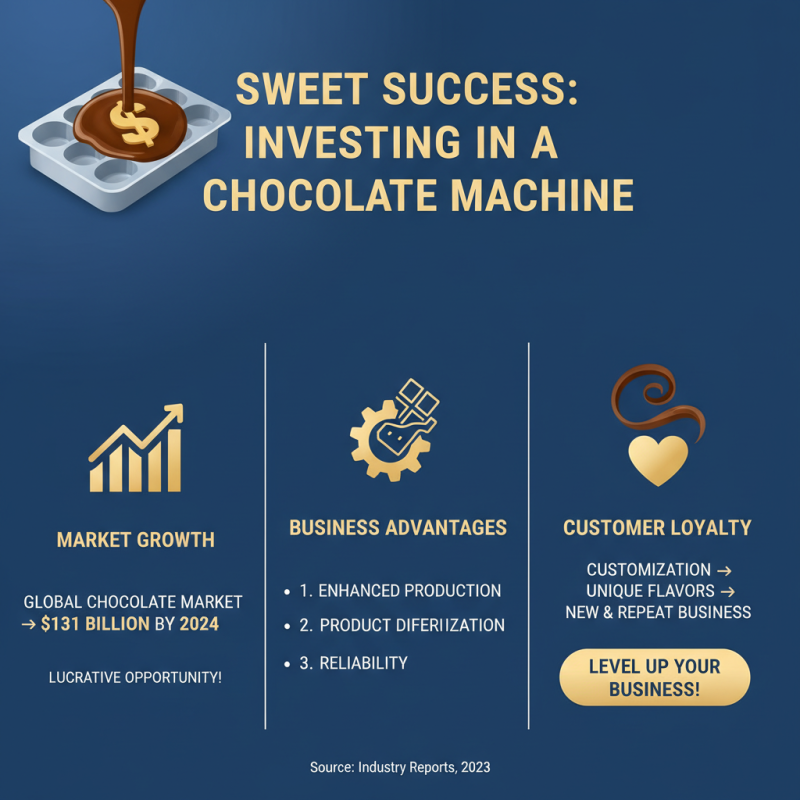
The chocolate industry is booming, with global sales expected to reach $161.56 billion by 2024. This growth creates exciting opportunities for businesses. A key component of success in this market is investment in a chocolate machine. This equipment can significantly enhance production efficiency and product quality. High-quality chocolate machines ensure consistency, which is crucial for customer satisfaction.
Many artisanal chocolatiers struggle with production rates. Without the right machinery, managing high demand becomes a challenge. An effective chocolate machine can help streamline operations. It simplifies the production process and reduces labor costs. In a competitive market, investing in a chocolate machine might be necessary.
However, not every machine is perfect. Some may be expensive and require maintenance. It's critical to choose the right equipment that fits your business model. Reflection on this investment is essential. A chocolate machine can be a powerful asset when chosen wisely, leading to enhanced growth and customer loyalty.
Benefits of Owning a Chocolate Machine for Your Business
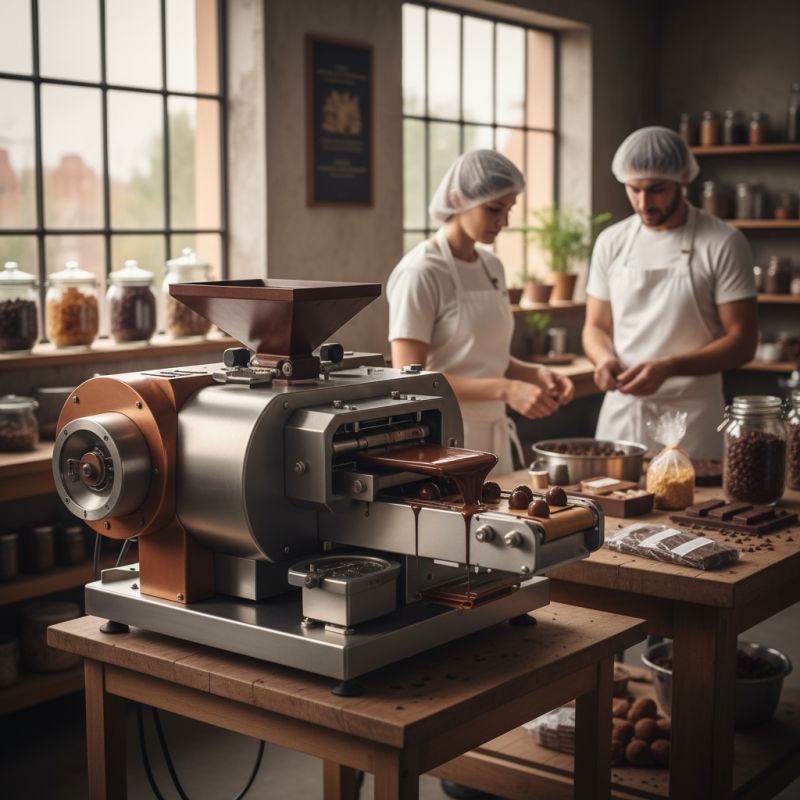
Investing in a chocolate machine can significantly enhance your business. With the global chocolate market expected to reach $131 billion by 2024, having a reliable setup is crucial. This growth offers a lucrative opportunity for entrepreneurs willing to diversify their product lines. A chocolate machine allows for customization, enabling businesses to create unique flavors. Customization can attract new customers and foster loyalty among existing ones.
The production capabilities of a chocolate machine are impressive. It can streamline processes, reducing manual labor and increasing output. For instance, businesses can produce fresh chocolates daily, satisfying consumer demands for high-quality products. A report indicates that 70% of consumers prefer fresh over packaged chocolates. This presents a compelling reason to adopt a chocolate machine.
However, it is essential to evaluate costs versus benefits. Initial investments can be high, making it necessary to conduct a thorough cost analysis. Some businesses may struggle with machine maintenance or training staff effectively. These challenges present opportunities for reflection and improvement. Overall, a chocolate machine can be a beneficial asset when approached thoughtfully.
Types of Chocolate Machines Available for Different Needs
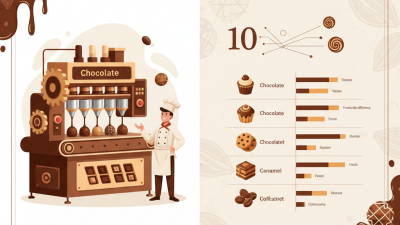
When exploring the world of chocolate production, selecting the right machinery is crucial. Various types of chocolate machines cater to different business needs. For small artisanal shops, tempering machines can ensure smooth, glossy chocolate. These machines melt and cool the chocolate, creating the ideal consistency. They are perfect for small batches, offering flexibility and precision. According to a recent industry report, the demand for artisanal chocolate is growing, driven by a 15% increase in consumer interest in high-quality products.
For larger operations, continuous chocolate melting tanks and enrobing machines are essential. These machines allow for high-volume production, enabling businesses to meet customer needs efficiently. A study indicates that companies with automated processes see a 25% rise in productivity. However, investing in such equipment requires careful financial planning. Many businesses reported challenges with maintenance and troubleshooting in automated lines.
Additionally, chocolate molding machines are vital for creating unique shapes and designs. This adds a personal touch that appeals to consumers. A survey found that 70% of chocolate buyers appreciate innovation in design. Yet, not all businesses can keep up with the rapid changes in consumer preferences. Adapting to these trends can be challenging; hence, businesses should continuously evaluate their equipment and processes.
Chocolate Machine Types and Their Usage in Businesses
How a Chocolate Machine Enhances Product Quality and Consistency
A chocolate machine can significantly enhance product quality. It ensures precise temperature control during the melting process. The consistent temperature prevents the chocolate from seizing. This helps maintain a smooth texture. When you create bars or truffles, uniformity is key. Customers expect fine, high-quality chocolate, and a machine can help deliver that.
Quality control becomes easier with a chocolate machine. It enables you to replicate recipes with accuracy. Inconsistent results can frustrate both manufacturers and consumers. A machine minimizes human error. It can help you produce the perfect ganache every time. Still, it’s important to check the equipment regularly. A small defect can lead to larger issues down the line.
Additionally, having a chocolate machine can streamline production. This means saving time and resources. However, owning one requires maintenance and commitment. Relying solely on automation can sometimes overlook the artisan touch. Balancing technology with traditional methods can yield the best results. Ultimately, a chocolate machine can be a valuable tool for improving product quality, yet it requires thoughtful integration into your workflow.
Cost Considerations and Return on Investment for Chocolate Machines
When considering a chocolate machine for your business, cost is a significant factor. Industry reports suggest that a mid-range chocolate machine can range from $5,000 to $20,000. This initial investment may seem daunting. However, businesses often overlook the potential returns. A properly tuned machine can boost production efficiency by up to 30%. A faster production time enables companies to meet demand with minimal labor costs.
Additionally, the break-even point for a chocolate machine can be as short as six months. Companies that produce custom chocolates can mark up their products significantly. Reports indicate that artisanal chocolates have profit margins upwards of 50%. This does not account for seasonal spikes in demand during holidays. Businesses must weigh these figures against their specific circumstances.
Maintenance costs are another consideration. Some chocolate machines may require costly repairs. However, many manufacturers offer warranties and service plans. Investing in a quality machine often results in fewer breakdowns and lower long-term costs. It’s essential to evaluate long-term needs versus short-term expenditures. Planning for these factors can help streamline operations and maximize profits.
Operational Efficiency: Streamlining Production with a Chocolate Machine
In the world of chocolate production, operational efficiency is key. A chocolate machine simplifies the entire process. It automates mixing, melting, and molding. This results in consistent quality. Each batch has the same texture and flavor. Manual processes often lead to discrepancies. Human error can be costly. With a machine, those risks diminish significantly.
Speed is another factor. Chocolate machines can produce large quantities in less time. This scalability allows businesses to meet higher demands. Imagine handling seasonal peaks without stress. Yet, it's vital to regularly maintain these machines. Neglect can lead to breakdowns and delays. This reflects the need for proper training. Staff must understand both operation and maintenance.
Consistency, speed, and efficiency are benefits. However, businesses must weigh the initial investment. Machines require funds, space, and energy. Proper planning is crucial. A balance between automated production and human touch may yield the best results. Continuous reflection on processes can drive improvement. Embracing technology is essential, but so is adaptability.
Why Do You Need a Chocolate Machine for Your Business? - Operational Efficiency: Streamlining Production with a Chocolate Machine
| Aspect |
Benefit |
Impact on Production |
| Automated Mixing |
Consistent Quality |
Reduces defects, enhances flavor |
| Temperature Control |
Improved Texture |
Better mouthfeel, enhances customer satisfaction |
| Production Speed |
Increased Output |
Meeting high demand efficiently |
| Waste Reduction |
Cost Efficiency |
Lower production costs, higher margins |
| Customization Options |
Product Variety |
Attracts diverse customer base |