Top Position Sensor Tips for Accurate Measurements and Usage?
In the ever-evolving world of technology, precision is key. "Position Sensors are the backbone of accurate measurement systems," states Dr. Sarah Thompson, a leading expert in robotics and automation. Understanding their functionality is essential for engineers and technicians.
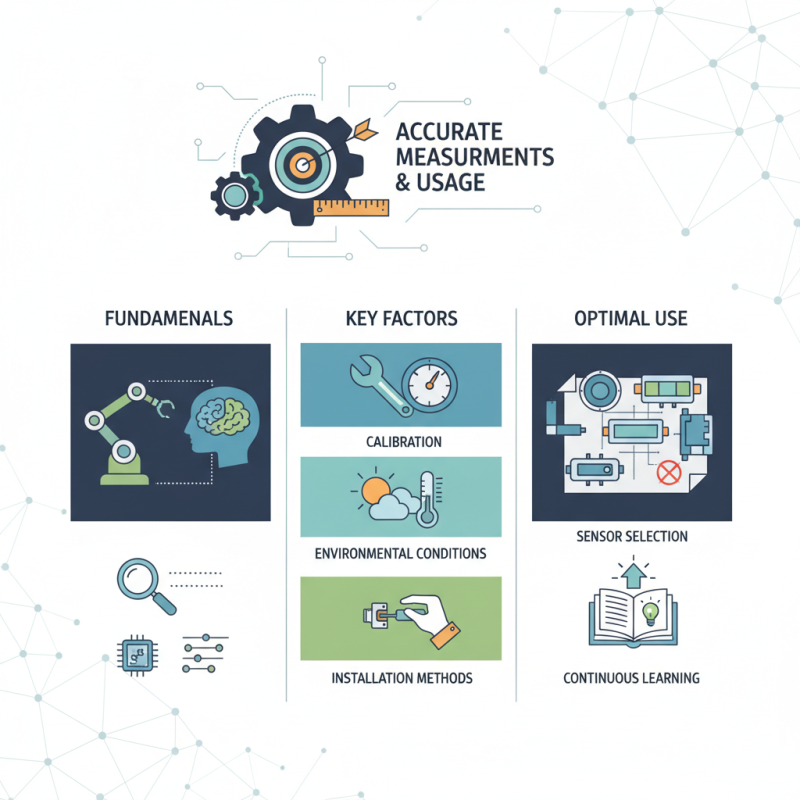
Position sensors play a crucial role in many applications. They help in detecting the location of an object, providing valuable data for automation systems. However, the effectiveness of these sensors depends on various factors. Calibration, environmental conditions, and installation methods all impact their accuracy. Small errors can lead to significant consequences in performance.
Many users overlook the nuances of position sensors. For instance, using the wrong type of sensor for a specific application can lead to misleading results. It is vital to select the right sensor, and this decision should not be taken lightly. Continuous learning and adaptation in this field are necessary. Only then can we harness the full potential of position sensors in our projects.
Understanding the Basics of Position Sensors and Their Applications
Position sensors play a critical role in various applications. They help in measuring the position of objects, which is essential for automation. These sensors can be found in robotics, manufacturing, and even consumer electronics. Their ability to provide precise measurements makes them invaluable in many fields.
Understanding the different types of position sensors is important. There are analog and digital sensors, each with unique characteristics. Some sensors measure linear displacement, while others track rotational movement. The method of sensing can vary too; some rely on light, while others depend on magnetic fields.
Using position sensors effectively requires a clear grasp of their functionality. Installing them in the right location is vital. Improper placement can lead to inaccurate readings. Sometimes, calibrating sensors can seem cumbersome, but it is necessary for precise performance. Even experienced users can overlook this step. Being aware of environmental factors is crucial as well. Temperature, humidity, and interference can impact accuracy.
Types of Position Sensors: Key Features and Use Cases
Position sensors are essential for precise measurements in various applications. There are several types of position sensors, each with unique features that make them suitable for specific tasks. For instance, potentiometers offer a simple method for relative position sensing. Their design is straightforward and cost-effective. However, they may wear out over time, impacting reliability.
Inductive sensors, on the other hand, excel in environments where extreme conditions exist. They measure displacement without physical contact. This characteristic preserves the sensor's lifespan. Yet, they might require more complex circuitry, posing challenges during installation. Optical sensors provide high accuracy and rapid response times. Nonetheless, they can be less effective in dusty or dirty environments.
Understanding the use cases of these sensors is crucial. For automation in factories, optical and inductive sensors are popular choices. In robotics, potentiometers can still play a vital role. Choosing the right sensor ensures optimal performance. However, it's essential to reflect on potential limitations and maintenance needs. Each type of sensor has a balance of benefits and drawbacks, and recognizing these can enhance decision-making in various applications.
Top Position Sensor Types and Their Usage
Factors Affecting Measurement Accuracy in Position Sensors
Measurement accuracy in position sensors is influenced by various factors. Environmental conditions play a significant role. Temperature fluctuations can cause sensors to drift or behave unpredictably. Vibration can also introduce errors, especially in sensitive applications. Ensure your sensors are designed for the environment they're used in.
Tip: Regular calibration is crucial. Even high-quality sensors can lose precision over time. Establish a routine that includes checks and adjustments. This minimizes errors and maintains accuracy.
Another factor is the mounting position. Improper alignment can lead to measurement inaccuracies. Ensure that sensors are installed according to specifications. Small misalignments can yield significant data discrepancies. Pay attention to how sensors interact with their surroundings. This can greatly affect performance.
Tip: Isolation from vibrations can enhance accuracy. Use damping materials when mounting sensors. This limits the impact of external forces. Remember, accuracy is not just about the sensor; it's about the entire system.
Best Practices for Installing and Calibrating Position Sensors
When installing position sensors, ensuring accurate placement is crucial. The sensor's axis of measurement should align with the intended direction of motion. Misalignment can lead to significant measurement errors. A common mistake is not securing the sensor properly. Loose installations can introduce issues, leading to inaccurate data. Double-check the mount for stability before proceeding.
Calibration is equally important. It involves adjusting the sensor settings to reflect true values. Start by using known reference points to calibrate the sensor. This step is often overlooked. There’s a tendency to assume sensors are pre-calibrated. Regular recalibration is essential over time. Environmental factors can cause drift in measurements. Don’t neglect this aspect of maintenance, as it directly affects performance.
Lastly, be mindful of your surrounding environment. Interference from electromagnetic sources can alter readings. Consider shielding the sensor if necessary. Monitor the sensor’s performance continuously to identify any inconsistencies. Reflecting on past installations can provide valuable insights for future projects. Emphasizing these practices enhances overall accuracy and reliability in measurements.
Common Troubleshooting Techniques for Position Sensor Issues
Position sensors play a crucial role in various applications, but issues can arise, affecting measurement accuracy. One common problem is misalignment. This can lead to significant discrepancies in readings. Data shows that nearly 15% of sensor failures stem from improper installation. Regularly checking sensor alignment can mitigate this issue.
Another frequent trouble involves environmental factors. Dust, humidity, and temperature fluctuations can impact sensor performance. It’s important to choose sensors with proper specifications for the environment. A report revealed that about 25% of sensor errors are related to harsh operating conditions. Implementing protective covers or using seals can help.
Additionally, wiring issues can cause signal loss. Faulty connections often go unnoticed. Routine inspection of wiring integrity is essential. An industry study indicates that 20% of position sensor malfunctions are linked to wiring problems. Regular maintenance and troubleshooting practices can greatly enhance the reliability of position sensors.
Top Position Sensor Tips for Accurate Measurements and Usage
| Tip | Description | Common Issues | Troubleshooting Techniques |
| Calibration | Ensure sensor is calibrated regularly for accurate readings. | Inaccurate measurements. | Recalibrate the sensor following the manufacturer’s guidelines. |
| Environmental Factors | Consider the effect of temperature and humidity on sensor performance. | Drifting readings in extreme conditions. | Install sensors in climate-controlled environments if necessary. |
| Wiring Inspection | Check all wiring for securely connected and undamaged cables. | Intermittent sensor failures. | Inspect cables and replace any that are frayed or broken. |
| Signal Interference | Assess potential sources of electromagnetic interference nearby. | Inconsistent or erratic readings. | Relocate the sensor or eliminate nearby interference. |
| Proper Mounting | Ensure the sensor is mounted according to specifications for optimal performance. | Misalignment leading to erroneous data. | Recheck installation and adjust as needed to meet mounting guidelines. |