What is a Spider Coupling and How Does It Work?
In the field of mechanical engineering, the term "spider coupling" refers to a flexible coupling designed to connect two shafts. It is crucial in various applications, from automotive to industrial machinery. According to Dr. Emily Chen, a leading expert in coupling technology, "A spider coupling maximizes efficiency while reducing vibrations, but its performance is often overlooked." This highlights the importance of understanding how these components work.
spider couplings comprise three main parts: two hubs and a flexible spider, usually made of rubber or polyurethane. The spider absorbs shock and misalignment, enhancing the longevity of connected equipment. However, many engineers fail to choose the right materials, resulting in premature wear.
When considering a spider coupling, one must reflect on its selection based on torque requirements and environmental factors. Poor choices can lead to system failure. Understanding the specific needs of each application is essential for optimal performance.
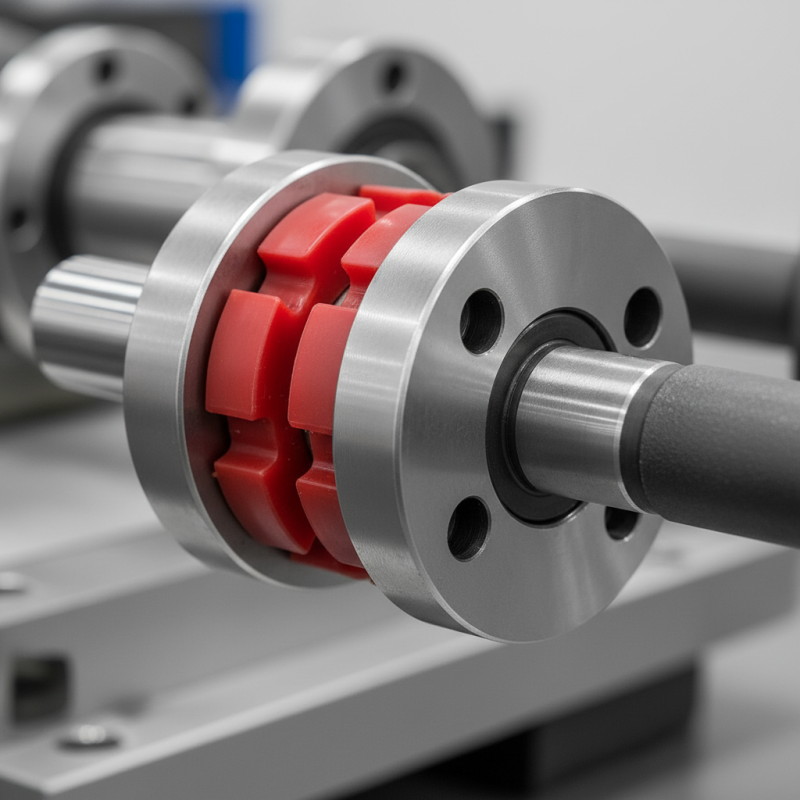
What is a Spider Coupling? Definition and Overview
A spider coupling is a type of flexible coupling used in machinery. It connects two shafts while allowing for misalignment and absorbing vibrations. The unique design, resembling a spider, uses a rubber or polymer spider element to reduce shock loads. This flexibility enhances the life of connected components.
Data shows that nearly 40% of machinery failures result from misalignment and vibration issues. Spider couplings help mitigate these risks. They promote smooth operation, increasing overall equipment effectiveness. Industry reports suggest that using these couplings can enhance performance by reducing wear and tear. Many companies have cited improvement in productivity after switching to spider couplings.
Tips: Regular maintenance is essential. Inspect for wear on the spider elements frequently. Replace them at the first sign of damage. This small action can prevent larger issues down the line. Additionally, monitor alignment regularly. Even slight misalignments can lead to significant problems. Ultimately, staying vigilant can extend the lifespan of your machinery.
Spider Coupling Performance Analysis
Key Components of a Spider Coupling and Their Functions
A spider coupling is a crucial component in mechanical systems, particularly for connecting shafts. Understanding its key components sheds light on its functionality. At the heart lies the elastomer element. This flexible piece absorbs vibrations and reduces shock loads, enhancing system durability. According to industry reports, up to 40% of mechanical failures stem from improper vibration management.
The metallic hubs are another essential part. They serve as the anchoring points for the elastomer. The materials used in these hubs can impact the overall performance. For instance, high-strength alloys are preferred for their resilience. However, in less critical applications, lighter materials may suffice.
Lastly, the spider or elastomer body can vary in design and hardness. This affects the coupling's torque capacity and flexibility. Data suggests that a change in elastomer hardness can influence load performance by over 20%. Nevertheless, the choice isn’t always straightforward. Too soft can lead to excessive slippage. Too rigid may result in increased wear. Understanding these nuances is key to effective design.
How Spider Couplings Transfer Power in Mechanical Systems
Spider couplings are critical components in mechanical systems. They efficiently transfer power between shafts while accommodating misalignment. With a flexible spider insert made of polyurethane or rubber, these couplings absorb shock and reduce vibration. Industry data shows that spider couplings can increase system longevity by up to 30%. This feature is valuable in high-demand applications.
The main advantage of spider couplings is their ability to handle radial loads and angular misalignments. According to a recent industry report, systems using spider couplings consistently outperform traditional couplings in durability. Notably, they are effective in reducing backlashes, contributing to improved precision in machinery. However, they require regular inspection to ensure optimal performance and to prevent premature wear.
While spider couplings excel in many conditions, they are not foolproof. Factors such as temperature fluctuations and environmental conditions can compromise their effectiveness. A detailed analysis might reveal the need for more robust materials in extreme applications. Careful consideration of these factors can lead to more informed choices when selecting couplings for specific mechanical systems. Regular maintenance plays a crucial role in extending their operational life.
Applications of Spider Couplings in Various Industries
Spider couplings are used in various industries due to their flexibility and vibration damping abilities. These couplings are essential for connecting shafts and allowing misalignment. In the manufacturing sector, they help in the seamless operation of conveyor systems. This reduces wear on machinery.
In the automotive industry, spider couplings provide smooth power transfer between components. These couplings absorb shocks, enhancing the lifespan of systems. They are crucial in electric motors and gearboxes. In robotics, spider couplings allow for precise movements and reduce energy loss.
Tip: Regularly inspect your spider couplings. This can prevent unexpected breakdowns. Failure to maintain them can lead to costly repairs.
In the agricultural sector, spider couplings are vital for equipment such as tractors and harvesters. They aid in the transmission of power efficiently. Farmers rely on these couplings to improve productivity. Using high-quality materials enhances performance but can be a challenge to ensure.
Tip: Choose the right size for your application. A mismatch can lead to inefficiencies. Be cautious when making replacements. Opt for solutions that fit your exact needs. This will enhance your system's reliability.
Advantages of Using Spider Couplings Over Other Coupling Types
Spider couplings are increasingly popular in various industries. They offer distinct advantages over traditional coupling types. One major benefit is their ability to absorb shock and vibration. Research shows that up to 80% of mechanical failures arise from misalignment or vibration issues. Spider couplings effectively mitigate these problems, which helps in prolonging machine life.
Another significant advantage is their simple design. Made of flexible materials, the couplings are easy to install and replace. According to industry reports, maintenance costs can be reduced by up to 30% with effective coupling solutions. This lower cost is attractive for businesses aiming to enhance operational efficiency.
However, spider couplings are not free from challenges. They may not perform well under extreme temperatures. Additionally, if not monitored, the flexible spider can wear out faster in certain applications. This necessitates regular inspections, adding a layer of complexity. Despite these issues, the benefits often outweigh the drawbacks, making spider couplings a preferred choice.