What is a Stainless Hex Nut and How is it Used?
Stainless Hex Nuts play a crucial role in various industries, offering durability and resistance to corrosion. According to a recent report by Grand View Research, the global hex nut market is expected to reach $19.4 billion by 2027, reflecting the growing demand for high-quality fastening solutions. These nuts are designed to secure two or more components together, ensuring structural integrity in applications ranging from construction to automotive.
Expert Martin Johnson, a leading figure in the fasteners industry, states, "Stainless Hex Nuts are essential for creating reliable connections that withstand harsh environments." His insights highlight the importance of using the right materials to prevent failures. Yet, despite their advantages, improper installation can lead to loosening and compromised safety. There is a need for ongoing education in best practices.
Attention to detail is critical in choosing the right type of Stainless Hex Nuts. Different grades and finishes can greatly affect performance. As industries continue to evolve, the demand for improvement persists. Manufacturers must remain vigilant to avoid mediocrity and must adapt to meet changing standards. This ongoing quest for excellence is pivotal in sustaining the reputation of Stainless Hex Nuts in a competitive market.
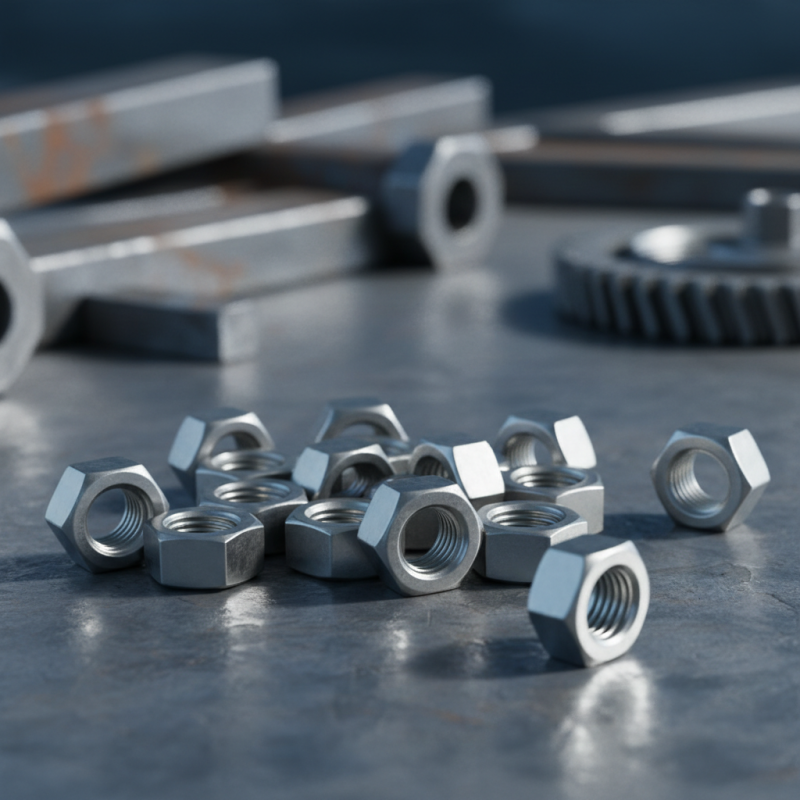
Understanding the Composition of Stainless Hex Nuts
Stainless hex nuts are critical components in various engineering applications. Their composition mainly includes iron, chromium, and nickel. The presence of chromium enhances corrosion resistance, making these nuts suitable for harsh environments. Reports indicate that stainless steel usage in industrial applications has grown by approximately 5% annually. This growth underscores the demand for durable and reliable fasteners.
The manufacturing process involves a combination of casting and forging techniques. This leads to unique mechanical properties in stainless hex nuts. For instance, grades such as A2 and A4 are common. A2 grade contains about 18% chromium and 8% nickel, offering good corrosion resistance. A4 grade has more nickel, improving performance in marine conditions. However, these materials can be costly, potentially affecting project budgets.
Understanding the composition and test standards is vital. Many industries rely on these components for structural integrity. Reports reveal that 30% of all structural failures occur due to component fatigue. This emphasizes the need for quality assurance in production. While stainless hex nuts offer many benefits, the quest for the perfect balance between cost and performance continues. This challenge often leads to discussions about alternative materials or designs in engineering circles.
Key Features and Benefits of Stainless Hex Nuts
Stainless hex nuts are essential fasteners in many industries. Their design features six sides, allowing for a secure grip with standard wrenches. Made from stainless steel, they resist rust and corrosion. This is crucial in outdoor and marine applications. They provide longevity even in harsh environments.
The benefits of using stainless hex nuts extend beyond durability. They are lightweight yet strong, making them ideal for various projects. The smooth finish helps prevent wear on tools. However, some users may overlook their weight-bearing capacities. It's important to match the nut size with the bolt specifications. Improper pairing can lead to structural failures.
In addition, their resistance to extreme temperatures offers versatility. They perform well in both hot and cold climates. The consistency in quality is a major plus. Yet, occasional manufacturing defects can occur. Users need to inspect each nut before use. This attention to detail can help avoid potential issues.
Usage of Stainless Hex Nuts Across Different Industries
Common Applications for Stainless Hex Nuts in Various Industries
Stainless hex nuts are widely used across various industries due to their durability and resistance to corrosion. In construction, they provide reliable fastening for steel structures. These nuts help secure beams, railings, and frames. In automotive manufacturing, stainless hex nuts connect essential components. They hold together parts like engines, suspensions, and chassis elements, ensuring vehicles operate smoothly.
In the marine industry, the resistance to saltwater corrosion makes these nuts essential. They are used in boat fittings, anchors, and deck hardware. Equipment stays intact even in harsh conditions. In electronics, stainless hex nuts secure circuit boards and metal enclosures. Tightening these small but crucial components is vital for device protection.
However, installation can be tricky. Users often struggle with ensuring the proper torque, risking damage. Hex nuts can slip if not aligned correctly. In some cases, they may wear out faster than expected, leading to failures. Understanding these challenges is key for effective use. Attention to detail during installation ensures reliability and longevity.
Installation Techniques for Stainless Hex Nuts
When installing stainless hex nuts, it's essential to consider several techniques that ensure strength and durability. Proper torque specifications are crucial. According to industry data, improper torque can reduce the joint's integrity by over 30%. Each application may require a different torque, so always consult the relevant engineering guidelines.
Using a torque wrench is advisable. It prevents over-tightening, which can cause thread stripping or breakage. Additionally, ensure the surfaces are clean and free from contaminants. This prevents uneven load distribution, leading to failure. Tip: Always lubricate stainless steel nuts to increase thread engagement and ease of installation.
Remember, even small mistakes can lead to significant issues. Sometimes, a wrong choice of materials can compromise the installation. Regular inspections are vital. They help catch potential failures early. A good practice is to keep a log of installation conditions and any irregularities observed. By staying aware, you can improve your techniques continually.
Maintenance and Care Tips for Stainless Hex Nuts
Stainless hex nuts are essential in construction and machinery. To maintain their durability, regular inspection is important. Over time, nuts may loosen due to vibrations or thermal expansions. Studies show that nearly 40% of fastener failures stem from improper tightening or maintenance.
Proper care starts with cleaning. Dirt and corrosion can affect the nut's performance. Use a soft brush to remove debris. For tough rust, a specialized cleaner can help. Avoid using harsh chemicals as they may damage the surface.
In high-stress environments, consider using a torque wrench. It ensures proper tightening. Regular checks after installation can prevent potential issues. Some reports indicate that neglecting maintenance can reduce the lifespan of stainless hex nuts by up to 50%. Keep track of the nuts' condition to ensure safety and reliability.
Ignoring these aspects can lead to unexpected failures.