Tandem Cold Rolling Mill Tips for Optimal Performance
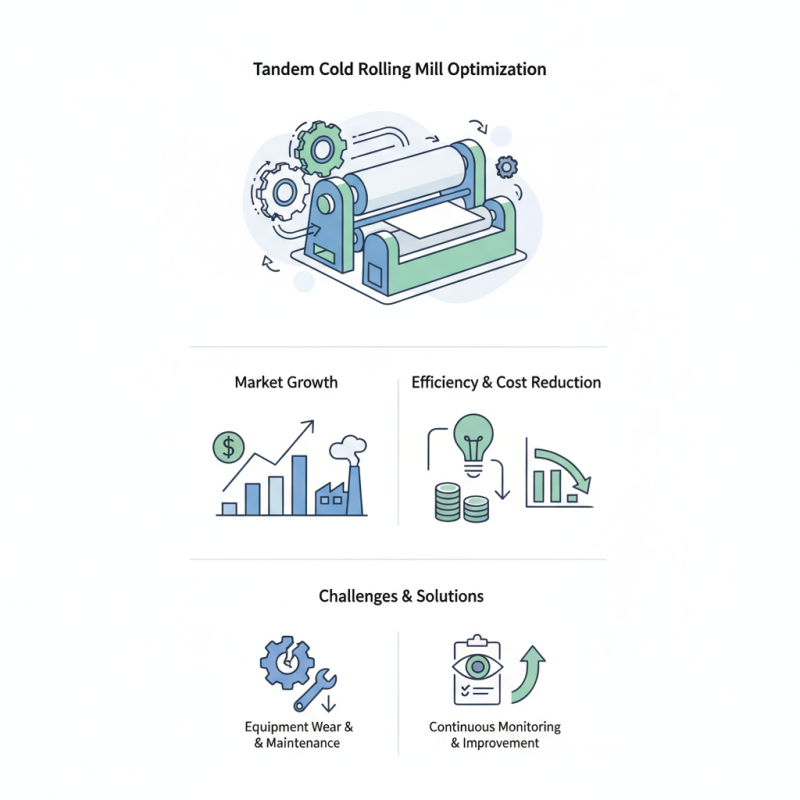
The tandem cold rolling mill is a vital component in the metal processing industry. It allows for high-efficiency production of thin sheets and strips. According to a report by Research and Markets, the global cold rolling market is expected to reach $38 billion by 2025, showing the increasing demand for this technology.
Experts emphasize the significance of optimizing performance in tandem cold rolling mills. Dr. Emily Chen, a leading authority in metalworking technologies, states, "Maximizing efficiency in a tandem cold rolling mill can significantly reduce production costs." This highlights the importance of focusing on performance indicators and reducing waste.
However, many facilities still face challenges in achieving optimal performance. Equipment wear and maintenance issues can negatively impact output quality. It's crucial for operators to monitor these factors closely. Continuous improvement is key in this competitive landscape. Ignoring potential weaknesses can hinder operational success.
Understanding the Basics of Tandem Cold Rolling Mills
Tandem cold rolling mills are vital for producing thin metal sheets efficiently. These mills work by passing metal strips through multiple rollers. Each pass reduces the thickness while enhancing the material's properties. Reports indicate that tandem mills can achieve reductions as high as 90% in material thickness.
Understanding the basic operation is essential. The rolling process generates heat, affecting material properties. Operators must monitor temperatures closely. A study by the Metal Processing Association found that precise temperature control can improve yield by 15%. Optimizing rolling speeds is also crucial. Rolling too quickly may lead to defects, resulting in quality issues.
Common challenges in tandem mills include maintaining consistent thickness across the strip. This inconsistency can impact product performance. Regular maintenance of rollers and equipment is important but often neglected. Noticing wear and tear can prevent larger production losses. Recognizing these issues and addressing them is necessary to improve overall efficiency.
Key Components of a Tandem Cold Rolling Mill System
A tandem cold rolling mill system consists of several crucial components. The arrangement of rollers, hydraulic systems, and control mechanisms plays a significant role in performance. Each roller reduces sheet thickness while ensuring material quality. An efficient setup should prioritize the spacing and alignment of these rollers. Misalignment can lead to uneven surfaces, impacting the final product.
Hydraulic systems are essential for controlling the rollers' pressure. These systems should provide precise adjustments to accommodate varying material types. However, excessive pressure can cause defects and machinery wear. Regular monitoring and maintenance are vital to ensure these components function optimally. Operators often overlook small leaks, which can escalate into bigger problems over time.
Control mechanisms guide the overall operation of the mill. Advanced sensors and software enhance responsiveness. Yet, integrating new technology can present challenges. Training staff to use these systems effectively is crucial. Sometimes, outdated practices may hinder progress. Continuous learning and adaptation are necessary for maximizing efficiency in the tandem cold rolling process.
Factors Influencing Performance in Cold Rolling Processes
Tandem cold rolling mills are crucial for achieving optimal performance. Various factors greatly affect the process efficiency. The rolling speed, temperature, and material properties are key components. For instance, high-quality raw materials can lead to better end products. However, not every mill achieves these. Some struggle with inconsistencies in thickness and surface defects.
To improve performance, consider these tips: conduct regular maintenance checks. This helps in identifying wear and tear before they cause significant downtime. The alignment of rollers is another vital aspect. Misalignment can lead to uneven pressure distribution. Addressing this with precision can enhance the overall performance.
Another factor is the lubrication system. Proper lubrication reduces friction and protects the equipment. However, many mills overlook this. Insufficient lubrication leads to overheating and wear. Consistent monitoring of lubricant quality is essential. Lastly, operator training is pivotal. Skilled operators can adapt to different materials and conditions effectively. Their insights can help identify issues early on, thus minimizing potential losses.
Maintenance Practices for Enhanced Mill Efficiency
Maintaining a tandem cold rolling mill is crucial for optimal performance. Regular inspection of components can prevent unexpected breakdowns. Check the rolls frequently for signs of wear. A worn roll can lead to poor product quality and downtime. Lubrication plays a key role. Ensure that all moving parts are well-lubricated to avoid excessive friction. Over time, improper lubrication can degrade equipment and impact output.
Another vital practice involves monitoring operational parameters. Keeping tabs on temperature and pressure can reveal potential issues early. A small fluctuation might indicate bigger problems down the line. Operators must be trained to notice these changes. Here, attention to detail matters immensely.
Cleaning routines should not be overlooked. Buildup of materials can hinder mill efficiency. Dust and debris can cause mechanical faults, ultimately leading to expensive repairs. Implementing a daily cleaning schedule is advisable. Remember, neglecting upkeep can lead to missed opportunities for enhancement. Each small oversight magnifies over time. Reflect on current practices, and identify areas for improvement.
Tandem Cold Rolling Mill Tips for Optimal Performance - Maintenance Practices for Enhanced Mill Efficiency
| Maintenance Activity | Frequency | Duration (Hours) | Impact on Performance |
| Roller Surface Inspection | Monthly | 2 | Improves product quality |
| Lubrication of Bearings | Weekly | 1 | Reduces wear and tear |
| Alignment Check of Rolls | Quarterly | 3 | Enhances dimensional accuracy |
| Hydraulic System Maintenance | Annually | 4 | Ensures optimal pressure |
| Electrical System Check | Monthly | 2 | Reduces downtime |
Optimizing Product Quality in Tandem Cold Rolling Operations
In tandem cold rolling operations, product quality is critical. Adjusting parameters like roll gap and speed can have a big impact. Each mill setup is unique, requiring constant monitoring. Small deviations can lead to defects in the final product. It’s essential to track roll wear and replace rolls timely. This maintains the desired thickness and surface finish.
Temperature control is another vital factor. Improper temperature can lead to issues such as surface cracking. It's important to maintain consistent temperatures throughout the process. However, achieving this is not always easy. Sometimes, fluctuations go unnoticed and affect quality significantly. Regular calibration of temperature sensors can help.
Training the workforce is equally important. Operators need to understand how small changes affect outcomes. They should be encouraged to report anomalies. Implementing a feedback loop creates a culture of continuous improvement. Yet, communication gaps can arise. Regular team meetings can mitigate this issue. Collaborative problem-solving will enhance product quality.
Tandem Cold Rolling Mill Performance Metrics
This chart illustrates key performance metrics for tandem cold rolling operations, including quality index, operational efficiency, downtime, and yield rate. Optimizing these factors is crucial for enhancing overall product quality.