Top 10 Abrasion Resistance Testers for Global Buyers?
In today’s competitive market, the need for high-quality products is paramount. One key factor affecting product durability is abrasion resistance. An effective Abrasion Resistance Tester can measure a material’s ability to withstand wear and tear under mechanical stresses. Buyers globally seek reliable testing equipment to ensure quality control in manufacturing processes.
Selecting the right Abrasion Resistance Tester involves careful consideration. Different testers utilize various methods, each suited for specific materials and industries. Users must understand their unique testing requirements. This knowledge will drive informed decisions. However, the sheer variety of options can overwhelm potential buyers, leading to challenges in selecting the best equipment.
Understanding the technical specifications of each tester is vital. Factors such as measurement accuracy and durability matter significantly. Buyers can benefit from industry insights and expert recommendations. Investigating user experiences with different testers can also provide valuable perspectives. In a landscape filled with options, informed choices can lead to improved product quality and customer satisfaction.
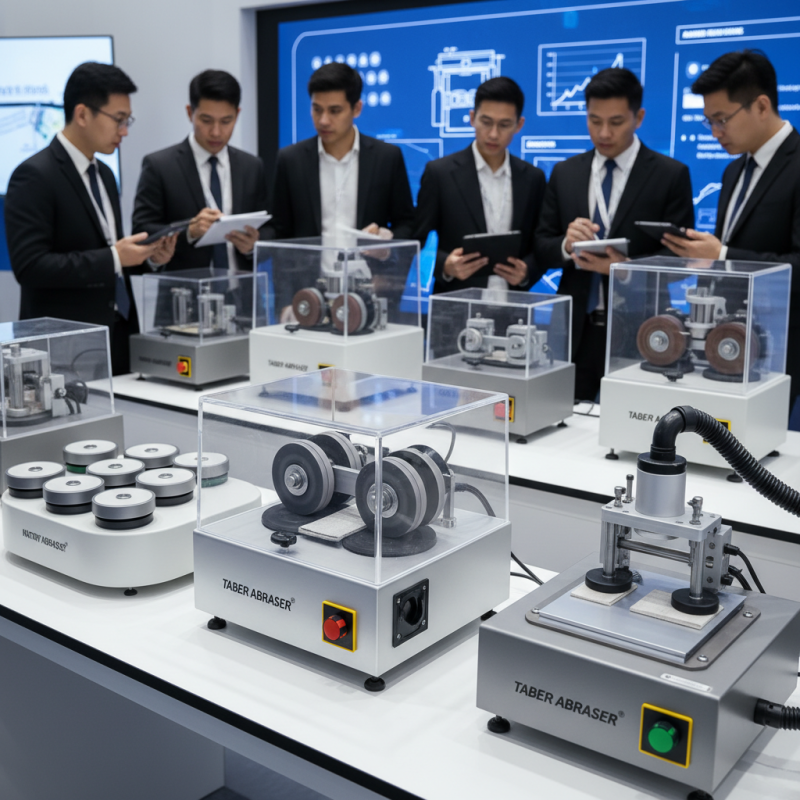
Overview of Abrasion Resistance Testing and Its Importance
Abrasion resistance testing is vital for industries relying on durable materials. This process evaluates how materials withstand wear over time. Manufacturers in automotive, textiles, and construction heavily rely on these tests. According to recent studies, about 70% of material failures stem from inadequate abrasion resistance.
The testing not only ensures product longevity but also improves safety standards. For instance, materials showing high resistance reduce risks of premature failure. The importance of maintaining quality through these tests cannot be overstated. Products that fail abrasion tests can result in higher costs and significant safety hazards. A report from the International Organization for Standardization indicates that 30% of clients prioritize abrasion resistance when selecting suppliers.
Essentially, the results from these tests drive innovation. Companies must consider advancements in testing technologies. It's critical to adapt to emerging materials and methods. Although standards exist, discrepancies in testing procedures can lead to flawed data. Continued assessment and improvement in testing protocols are necessary for accurate results. This ensures that products meet user expectations effectively.
Key Features to Consider in Abrasion Resistance Testers
When selecting an abrasion resistance tester, several key features warrant attention. The testing method is crucial. Various methods include the taber test, Martindale test, and others. Each method serves different materials and applications. Knowing the right one for your needs ensures accurate results.
The durability of the tester itself is another vital feature. High-quality testers can handle frequent use without degradation. A robust machine reduces the likelihood of inaccurate measurements due to wear. Furthermore, ease of use matters. Complex machines might require extensive training, leading to potential errors if operators are not well-versed.
Calibration and maintenance are essential for obtaining reliable results. Regular checks can prevent measurement drift. A reliable tester should have a user-friendly calibration process. That said, some testers might lack clear maintenance guidelines, causing long-term issues. Testing capacity also plays a role. Some machines can test multiple samples, enhancing efficiency. Balancing these features can be challenging but is necessary for accurate assessments.
Top Brands Offering Abrasion Resistance Testers Globally
Abrasion resistance testers play a crucial role in industries where material longevity is vital. Brands around the world recognize the importance of reliable testing equipment. According to a report by Market Research Future, the global market for abrasion testers is expected to grow significantly, reflecting advancements in textile, rubber, and plastic industries. Industry leaders focus on durability and precision in these testers to meet evolving demands.
Certain brands stand out for their commitment to performance and innovation. They implement cutting-edge technologies that enhance testing accuracy. A study from Technavio mentions that companies investing in R&D for abrasiveness tests achieve up to 20% better reliability in results. This advancement is critical as industries require consistency to ensure product quality.
Errors in testing processes can lead to significant operational challenges. Users have reported discrepancies in readings that resulted from outdated models. It highlights the need for brands to continually upgrade and refine their products. The focus should remain on developing testers that can withstand rigorous conditions. Ensuring that materials resist wear effectively demands an ongoing evaluation of testing standards and methodologies.
Comparative Analysis of the Top 10 Abrasion Resistance Testers
In the realm of material testing, abrasion resistance testers play a crucial role. According to industry reports, the demand for reliable abrasion testing has surged by over 25% in the past five years. This rise emphasizes the importance of choosing the right tester for specific applications. Various methodologies exist, each tailored to different material types. It's essential not to overlook the variables affecting test outcomes.
A comparative analysis shows that different testers yield varied results depending on their design and operational parameters. For instance, some testers operate on a linear abrasion principle, while others focus on rotary or impact abrasions. Recent research indicates a significant discrepancy in outcomes; nearly 15% of tested materials exhibited inconsistent results when evaluated on different machines. Such inconsistencies highlight the need for careful selection based on the material's intended use.
Industry experts recommend that buyers prioritize testers with documented accuracy and repeatability. Reports suggest that testers with robust calibration protocols deliver results within a 5% variance, which is acceptable for most applications. However, achieving this level of precision often requires regular maintenance and verification. Many companies fail to recognize this need, leading to potential inaccuracies in their assessments. Close attention to abrasion resistance testing can prevent costly errors in production and quality assurance.
Customer Reviews and Feedback on Popular Abrasion Resistance Testers
Abrasion resistance testers play a crucial role in assessing the durability of various materials. Customer feedback reveals insights about their effectiveness and usability. Many users appreciate simple interfaces, which make testing more efficient. A recent industry report highlights that testers with automated features significantly reduce human error, improving reliability. Some users lament the lack of detailed guidelines in the manual, leading to guesswork during operation.
Tips for selection: Look for testers that deliver precise results and have excellent customer support. User feedback emphasizes the importance of a reliable warranty and training resources. Testers with user-friendly designs tend to receive higher ratings for operational efficiency. Gather feedback from multiple sources before making a purchase.
While reviewing product performance, it is important to remember that not all testers provide consistent results. Some users report discrepancies in readings. It reminds us that calibration is essential. Industry data shows that regular calibration can enhance accuracy by up to 30%. Investing time in understanding the product fully can prevent unnecessary frustration.