Top Chocolate Machines of 2026 What to Look For?
The world of chocolate machines is evolving rapidly. As we move into 2026, understanding what to look for in these machines becomes essential. Chocolate machines are not just tools; they are gateways to creativity and deliciousness.
When selecting a chocolate machine, several factors come into play. You might consider the machine's size, capacity, and functionality. Some models offer advanced features, while others are simpler and more portable. Each choice has its pros and cons.
Reflecting on personal experiences can also guide your decision. Did past machines meet your expectations? Were they easy to clean and maintain? What about the texture and taste of the chocolate produced? These questions matter. They can shape your search for the ideal chocolate machine. Choosing the right one may take time and effort, but the rewards can be sweet and satisfying.
Key Features to Consider When Choosing Chocolate Machines
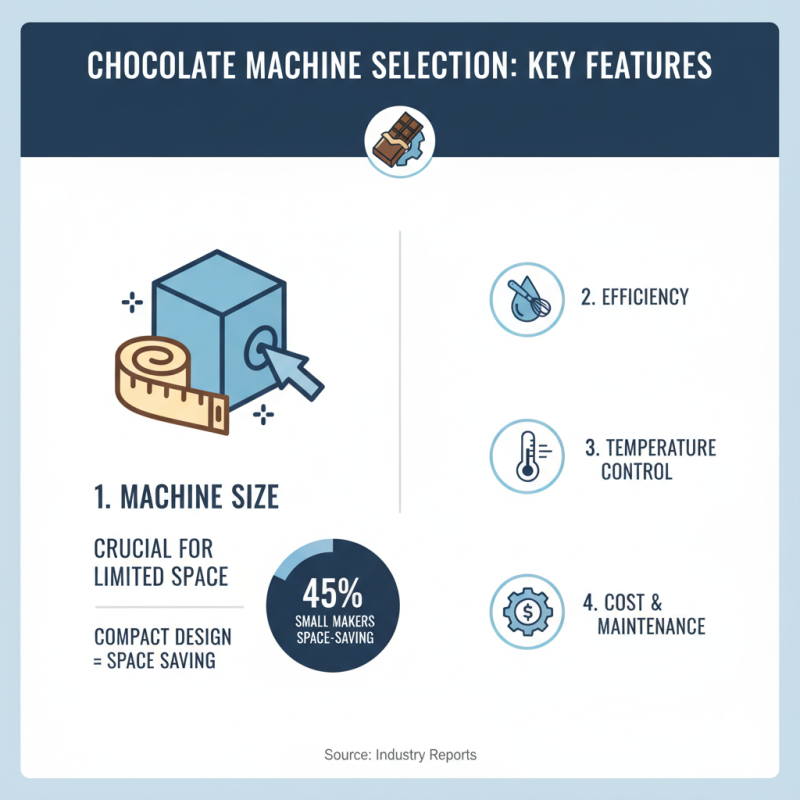
When selecting a chocolate machine, several key features demand attention. The size of the machine is crucial for businesses with limited space. A compact design can save room while maintaining efficiency. According to industry reports, around 45% of small chocolate makers prioritize space-saving models. This is an essential factor to consider.
Temperature control is vital in chocolate production. Machines with advanced temperature regulation ensure consistent quality. Reports indicate that machines with precise temperature controls can improve the final product's quality by 30%. However, not all machines offer this feature. Buyers should carefully read specifications and reviews.
Lastly, consider the ease of cleaning and maintenance. Frequent cleaning prevents contamination and preserves flavor. A machine that simplifies this process can be a game changer. Some models can be disassembled quickly for cleaning purposes. However, not every manufacturer provides easy-to-clean options. This aspect often requires additional research to ensure long-term satisfaction and efficiency.
Types of Chocolate Machines and Their Functions
When exploring chocolate machines, understanding their types and functions is crucial. Tempering machines are essential for achieving that glossy finish on chocolate. They ensure the chocolate maintains a stable structure. This process can feel daunting. Finding the right temperature is key, and sometimes it requires practice.
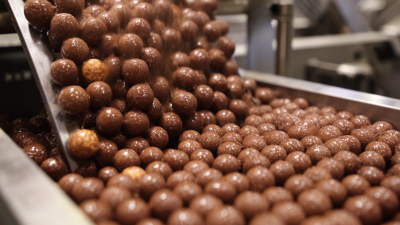
Enrobing machines coat snacks with a layer of chocolate. They are popular in many confectionery operations. Precision is vital here. Uneven coating can ruin the product's appeal. It’s often necessary to adjust settings multiple times to get that perfect layer.
Molding machines are another significant type. They create various shapes and sizes of chocolates. This can be both exciting and challenging. Getting consistent results takes time. Traditional methods often produce more nuanced shapes but can be labor-intensive.
Tips: Consider the size of your operation. Smaller setups might need more versatile machines. Larger operations could benefit from specialized equipment. Always assess your production goals. Reflect on what would serve your needs best.
Top Chocolate Machines of 2026 - What to Look For?
| Type of Machine |
Functionality |
Key Features |
Ideal Usage |
| Chocolate Melter |
Melts chocolate for coating or fillings |
Temperature control, easy cleaning |
Small to medium chocolate shops |
| Chocolate Tempering Machine |
Tempering chocolate for a glossy finish |
Automatic temperature adjustment, capacity options |
Artisan chocolatiers, larger producers |
| Chocolate Molding Machine |
Molds chocolate into specific shapes |
Customizable molds, speed settings |
Large scale chocolate production |
| Chocolate Coating Machine |
Coats fillings with a layer of chocolate |
Adjustable coating thickness, conveyor belt |
Confectionery items, snacks |
| Chocolate Grinder |
Grinds cocoa beans into chocolate liquor |
High capacity, adjustable grind settings |
Bean-to-bar chocolate producers |
Latest Technological Innovations in Chocolate Making
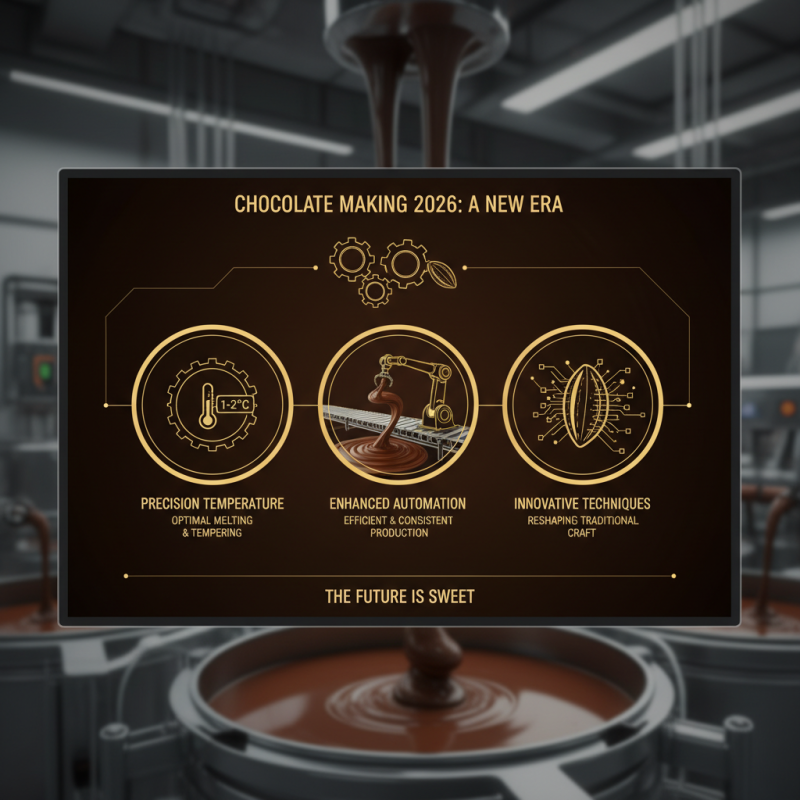
As we look forward to 2026, the world of chocolate making is witnessing remarkable advancements. New technologies are emerging, transforming the way chocolate is crafted. High-performance machines now offer precise temperature control. This feature ensures optimal melting and tempering. Enhanced automation is making the chocolate-making process more efficient. It's fascinating to see how these innovations are reshaping traditional practices.
One notable trend is the integration of smart technology. Machines are becoming more connected. They can be programmed and monitored remotely. This interactivity allows chocolatiers to customize recipes easily. However, relying heavily on technology poses unique challenges. Some artisans may feel disconnected from the craft. Another concern is the steep learning curve. New users might struggle to fully harness these sophisticated devices.
Quality remains paramount in chocolate production. While machines can improve efficiency, the artistry is essential. Balancing innovation with craftsmanship is crucial. Many chocolatiers find themselves in a dilemma. They must embrace change while maintaining their unique style. This tension between tradition and modernity sparks healthy debates within the industry. Ultimately, the future of chocolate lies in blending the best of both worlds.
Top Brands and Models of Chocolate Machines in 2026
In 2026, the demand for chocolate machines continues to rise. The industry has projected a growth rate of 5.2% annually. This trend reflects increasing consumer interest in artisanal chocolates and small-scale production. Advanced automation features are essential. They enhance efficiency and reduce manual workload.
Several models stand out this year. These machines offer precision temperature control and customizable settings. This focus allows chocolatiers to craft unique flavors. However, quality control remains a challenge. Some brands struggle with consistency in output. Additionally, the initial investment can be high, discouraging some small businesses.
The market is seeing innovations, particularly in energy efficiency. Machines now consume 20% less energy compared to previous models. Combining sustainability with performance has become a priority. However, understanding maintenance requirements is critical. Many machines require regular upkeep to function optimally. This need for maintenance can often be overlooked by new users.
Top Chocolate Machines of 2026: Key Features Comparison
This chart compares the performance of different chocolate machines based on their production capacity, energy efficiency, and user ratings. The data represents average values for various models.
Maintenance Tips for Longevity of Chocolate Machines
When it comes to chocolate machines, maintenance is crucial for longevity. Regular cleaning is essential. After each use, remove leftover chocolate. This prevents blockages and ensures smooth operation. Use warm water and mild soap to clean the components. Be thorough, but don’t damage any parts.
Inspect your machine often. Look for wear and tear. Loose screws or worn belts can affect performance. Replace parts as necessary. Ignoring these small issues can lead to bigger problems. Some users may overlook these details, thinking everything is fine. This can lead to costly repairs later.
Lubrication is another key aspect. Apply food-grade lubricant to moving parts. This reduces friction and wear. However, be cautious—too much lubrication can attract dirt. It’s a delicate balance.
Also, store the machine in a dry place. Humidity can cause rust and other issues. Keeping it in top shape requires ongoing effort, but the benefits are worth it.