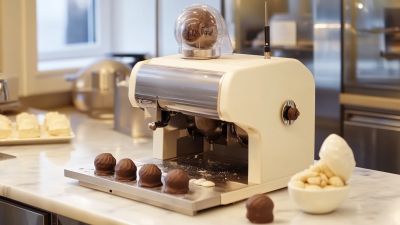
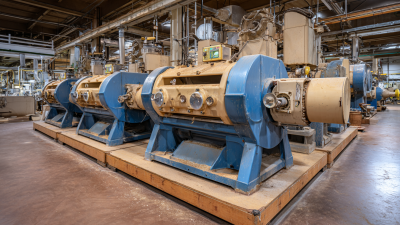
2026 Top Chocolate Molding Machine Trends for Global Buyers?
The chocolate molding machine market is witnessing significant evolution as we approach 2026. According to recent industry reports, the global chocolate market is expected to reach $161 billion by 2024. This growth creates a rising demand for efficient manufacturing equipment. Key trends are shaping how chocolate is molded and shaped, playing a crucial role in production processes.
As manufacturers focus on sustainability and automation, the latest chocolate molding machines incorporate eco-friendly technologies. Innovations in temperature control and energy efficiency are also on the rise. These advancements enhance product quality while reducing waste. However, many producers still face challenges in adopting these technologies fully. The investment can be substantial and the learning curve steep.
While the market grows, not all brands may adapt quickly enough. The effectiveness of these machines can vary. Industry leaders must stay informed about technological developments and consumer preferences. Balancing cost, reliability, and technological advancement remains essential for success in this competitive landscape. Understanding these nuances can provide global buyers with a strategic advantage when selecting chocolate molding machines.

Emerging Technologies in Chocolate Molding Machines for 2026
Emerging technologies in chocolate molding machines for 2026 are set to revolutionize the confectionery industry. These advancements focus on efficiency, precision, and sustainability. Modern machines will incorporate AI and machine learning. Such technologies allow for tailored production runs and enhanced quality control. They minimize waste, thus making processes more environmentally friendly.
In addition, automation will dominate the landscape. Automated systems will streamline operations, allowing small businesses to compete. They will require less manual labor and reduce the potential for human error. This shift will enable manufacturers to deliver consistent results while enhancing productivity.
Investing in training for operators is crucial. As these machines become more sophisticated, skilled workers will be needed to troubleshoot and maintain them. Here’s a thought: how often do you review your equipment's capabilities? Regular assessment can prevent costly downtime and improve output quality.
Additionally, ensure that you stay updated on industry standards. The landscape is continuously evolving, and staying informed helps manufacturers adapt. Incremental changes now can lead to significant improvements in the long run. Embrace technology but remain critical of its implementation. Balancing innovation with operational integrity is essential for future success.
Key Features to Look for in Modern Chocolate Molding Equipment
In modern chocolate molding equipment, efficiency is paramount. One key feature is temperature control. Maintaining precise temperatures ensures quality chocolate. Overheating can ruin texture and flavor. Look for machines with digital thermostats for accuracy. Regular calibration is essential for optimal performance.
Another important aspect is the molding design. Versatile molds can shape chocolate into various forms. This variety appeals to consumers. Machines that offer interchangeable mold systems greatly enhance production flexibility. This adaptability helps businesses respond to seasonal trends effectively.
Ease of use is also critical. User-friendly interfaces simplify operation. A complex machine can lead to mistakes, slowing down production. Training staff on new equipment takes time and resources. Finding machines that streamline setup and operation can mitigate these challenges. Balancing features and usability is essential for long-term success in chocolate production.
Sustainability Trends Impacting Chocolate Molding Machine Design
Sustainability is reshaping the chocolate molding machine industry. A recent report indicates that 70% of manufacturers are now focusing on eco-friendly designs. Increasing energy efficiency and reducing waste have become essential priorities. These practices not only appeal to eco-conscious consumers but also streamline production processes.
The integration of biodegradable materials into machine design is rising. Experts estimate that the use of such materials can reduce plastic waste by up to 30% in production environments. Chocolatiers are beginning to adopt systems that use less energy and water, contributing to a smaller carbon footprint. However, the transition requires investments and expertise that not all producers possess.
Furthermore, companies are seeking certifications that reflect their commitment to sustainable practices. Data suggests that products with sustainability certification see a sales increase of approximately 20%. Despite these trends, some manufacturers hesitate, concerned about the upfront costs and potential disruptions to established workflows. Balancing sustainability with profitability remains a challenge for many in the industry.
2026 Top Chocolate Molding Machine Trends for Global Buyers
This chart illustrates the anticipated trends impacting chocolate molding machine design in 2026, focusing on key aspects such as energy efficiency, materials innovation, and automation integration.
Market Analysis: Demand for Chocolate Molding Machines in 2026
The chocolate molding machine market is evolving rapidly. By 2026, it is projected to reach a value of over $2 billion globally. Demand is driven by increasing chocolate consumption, especially in emerging markets. According to a recent industry report, the Asia-Pacific region will see significant growth, with a projected CAGR of 7.5%. This trend reflects a growing preference for premium chocolates.
Technological advancements play a pivotal role in shaping the market. Machines are becoming more efficient. They offer features like digital controls and real-time monitoring. Such innovations enhance production quality and reduce waste. However, smaller manufacturers may struggle to keep pace with these developments. Some may find it hard to invest in new technologies. This gap creates challenges in maintaining competitiveness.
Sustainability is another critical factor influencing purchase decisions. Many buyers are looking for machines that minimize environmental impact. Reports indicate that over 60% of buyers prioritize eco-friendly solutions when sourcing equipment. The push for greener practices could lead to a shift in machine design. Consequently, manufacturers might need to reconsider their product strategies to align with these evolving demands.
2026 Top Chocolate Molding Machine Trends for Global Buyers
| Country/Region |
Market Demand (Units) |
Growth Rate (%) |
Key Features |
Average Price (USD) |
| North America |
25,000 |
5.5 |
Automation, Energy-efficient |
$45,000 |
| Europe |
30,000 |
4.0 |
Compact Design, Smart Technology |
$50,000 |
| Asia-Pacific |
40,000 |
7.0 |
High Capacity, Low Maintenance |
$35,000 |
| Latin America |
15,000 |
3.5 |
Cost-effective, User-friendly |
$30,000 |
| Middle East & Africa |
10,000 |
2.5 |
Versatile Use, Quick Setup |
$40,000 |
Future Innovations: Smart Technology in Chocolate Manufacturing Systems
The landscape of chocolate manufacturing is changing rapidly. Smart technology is at the forefront of this transformation.
Automated systems can now monitor temperature and humidity, ensuring optimal conditions for chocolate quality. This precision reduces waste and enhances flavors, critical for any producer.
Artificial intelligence is playing a pivotal role. Machine learning algorithms can analyze production data. They identify patterns that may improve efficiency and consistency in molding processes.
However, the integration of such advanced technology isn't without challenges. It requires significant investment and expertise to implement effectively.
Investors and manufacturers must consider software compatibility and training. These factors can complicate the transition to smart systems. While the potential benefits are clear, the path forward involves reflection on existing practices and proactive adaptation to new realities.
The journey toward smarter chocolate production demands both vision and a willingness to experiment.