What Is a Chocolate Enrobing Machine?

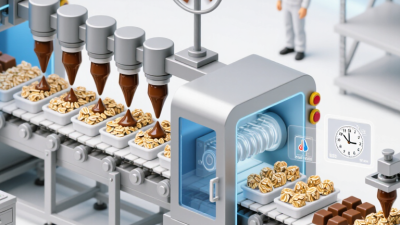
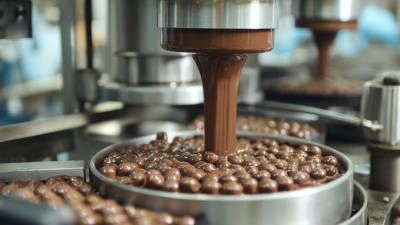
A chocolate enrobing machine coats centers—such as biscuits, wafers, or nuts—with a flowing layer of chocolate. The product travels along a belt beneath a curtain of tempered chocolate; a vibrating wire or air blower then removes excess coating. The result is a smoother shell, with fewer bare edges and less pooling underneath. Small details matter: chocolate temperature, belt speed, and the thickness of each center can change the finish.

The International Cocoa Organization’s quarterly reports track global cocoa grindings, a useful indicator of the scale of chocolate processing. They do not, however, measure enrobing-machine sales or factory performance. That distinction matters. Equipment specifications should be checked against a manufacturer’s documented tests, not inferred from broad market figures. A machine that handles a thin biscuit may struggle with a soft filling or an irregular nut cluster.

For this introduction, no source material or verifiable expert quotation was provided. Rather than invent a specialist’s name or words, this overview avoids a fabricated endorsement. A plant engineer would still need to assess the actual product, target coating weight, and cleaning requirements before choosing among chocolate enrobing machines. The right fit is not always the largest line. Sometimes, a slower belt gives the more consistent shell.
What Is a Chocolate Enrobing Machine?

Definition of a Chocolate Enrobing Machine

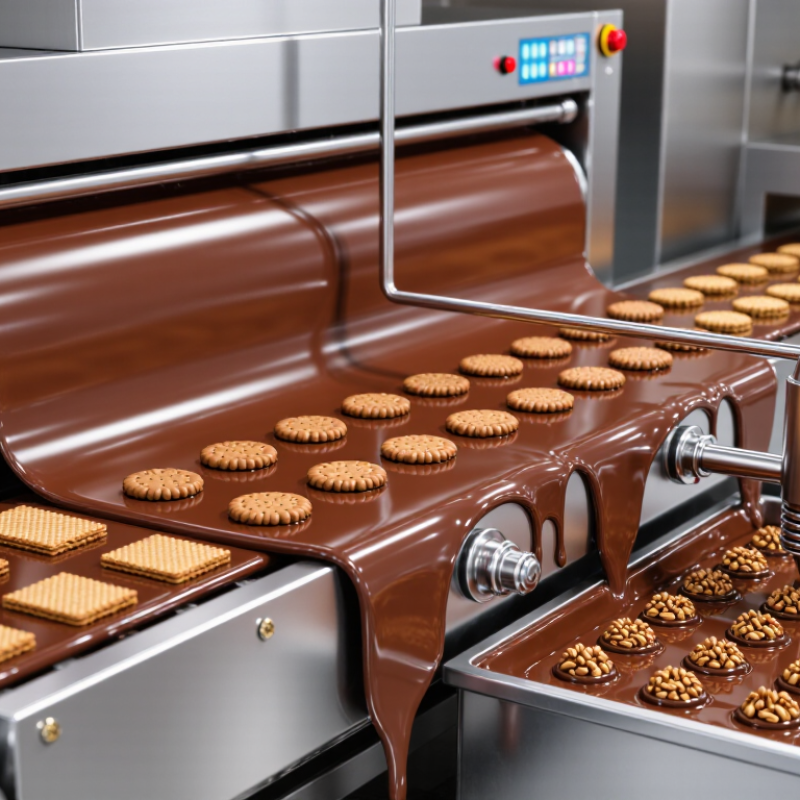
A chocolate enrobing machine is food-processing equipment that coats products with a layer of chocolate. Items such as biscuits, bars, fruit pieces, or confectionery pass through a flowing chocolate curtain or coating zone. A moving wire-mesh belt carries each piece through the machine, while excess chocolate drains back into a collection area. The result is a more even coating than hand dipping can usually provide.

Not just a dip. The machine commonly includes a tempering system, which keeps chocolate at a controlled temperature and helps it set with a smooth finish. Blowers or vibrating sections may remove extra coating from the product’s surface. A cooling tunnel then lowers the chocolate temperature so the shell firms before handling or packaging. Exact configurations vary with the product, coating thickness, and production rate. Operators still need to check belt speed, chocolate flow, and temperature; small changes can affect coverage and appearance. A machine does not guarantee a perfect shell. Even a well-adjusted line may leave thin spots around corners or collect crumbs in the chocolate, so routine inspection and cleaning remain part of reliable operation.

Main Components and Their Functions

What Is a Chocolate Enrobing Machine?

Main Components and Their Functions

A chocolate enrobing machine coats centers such as biscuits, bars, or fruit with a flowing layer of chocolate. Its first key section is the feed system, which spaces products across a wire-mesh belt. Even spacing matters: crowded pieces can touch, leaving bare edges or uneven coatings. The chocolate curtain then pours over each center. A collection tray catches excess chocolate, while a blower and vibrating belt help remove drips and smooth the surface. Small adjustments here can change the finished coating more than operators expect.

The tempering unit controls chocolate crystals before coating. Stable temper supports a glossy finish and a firm snap; poor control may leave streaks or a soft surface. Cooling tunnels set the coating with controlled airflow and temperature. A longer tunnel is not automatically better: airflow, product size, and coating thickness all affect setting time. The International Cocoa Organization’s 2023/24 estimates put global cocoa grindings at about 4.8 million tonnes, reflecting the scale of chocolate processing and the importance of consistent production equipment.

Tips: Check belt alignment, chocolate temperature, and tunnel airflow during a trial run. Record the settings beside product size and coating weight. A quick visual check helps, but it cannot replace routine measurement. Even experienced teams may need to adjust settings when room temperature or ingredients change.

How the Enrobing Process Works

What Is a Chocolate Enrobing Machine?

How the Enrobing Process Works

A chocolate enrobing machine coats products such as biscuits, fruit pieces, or centers with a continuous layer of chocolate. The product travels along a wire-mesh belt beneath a stream of tempered chocolate. A curtain of chocolate covers the top, while vibration and airflow help coat the sides and remove excess.

The details matter. Chocolate must stay within a suitable temperature range so its cocoa butter crystals set smoothly. Operators monitor the chocolate’s flow, belt speed, and coating thickness during production. A small change in temperature can leave a dull finish or uneven patches. It happens.

After coating, the belt carries each piece through a cooling tunnel. Cool air gradually firms the chocolate without causing a sudden temperature shock. The finished coating should look even and release cleanly from the belt. Operators may adjust air speed or chocolate flow when products emerge with bare spots or thick drips. There is no single setting for every product; shape, size, and surface texture all affect the result. Even a well-adjusted machine may need small corrections as conditions change. That part is easy to underestimate.

What Is a Chocolate Enrobing Machine? — How the Enrobing Process Works

Stage or component What happens Purpose and key considerations
Product infeed Centers and spaces centers such as biscuits, wafers, bars, or confectionery pieces on a moving wire-mesh belt. Consistent spacing helps chocolate cover each item evenly and reduces product contact or overlap.
Chocolate supply and tempering Chocolate is melted, mixed, and—when the recipe requires it—tempered before it reaches the enrober. Proper tempering encourages stable cocoa-butter crystals, supporting a firm set, gloss, and clean snap. Working temperatures depend on the chocolate formulation; typical dark chocolate is often worked around 31–32°C, while milk and white chocolate are commonly worked at lower temperatures.
Chocolate curtain A pump feeds chocolate over a distribution plate or outlet, creating a curtain that flows over the passing product. A steady curtain promotes uniform top and side coverage. Chocolate viscosity, flow rate, and product speed all affect coating thickness.
Bottom coating The belt passes through a shallow chocolate pool or over a coating plate so the product’s underside is covered. Bottoming completes the coating and helps avoid exposed areas. The amount of chocolate applied is adjusted to suit the product and recipe.
Excess-chocolate removal Airflow and gentle belt vibration remove surplus chocolate and help clear openings in the mesh belt. Careful adjustment controls coating weight, reduces drips, and limits pooling around the product base.
Cooling tunnel Coated products travel through a controlled cooling zone until the chocolate sets. Cooling conditions depend on the product, chocolate, coating thickness, and line speed. Gradual, controlled cooling helps achieve a stable finish and reduces defects such as dullness or fat bloom.
Discharge and inspection Set products leave the belt for manual or automated inspection, packaging, or further processing. Operators check coating coverage, appearance, product spacing, and the condition of the belt and equipment.

In brief: A chocolate enrobing machine coats a center with a continuous layer of chocolate by combining product conveying, chocolate delivery, excess removal, and controlled cooling. Operating temperatures and settings should be matched to the specific chocolate and product.

Types of Chocolate Enrobing Machines

Chocolate enrobing machines vary by coating method, production scale, and the products they handle. A full enrober carries items on a wire-mesh belt beneath a flowing curtain of chocolate. The curtain covers the top and sides, while a bottomer applies chocolate mainly underneath. Some systems combine both methods, which helps create a more even shell around biscuits, bars, or fruit pieces.

Small batches matter. Compact tabletop machines suit trials or limited production, though operators may need to load products by hand. Larger continuous enrobers use conveyors to maintain a steady flow. Adjustable blowers or vibrating sections can remove excess chocolate, but settings need care: too much airflow may leave thin spots, while too little can create heavy edges. The right balance depends on the product’s shape and chocolate viscosity.

Some machines include a cooling tunnel; others connect to a separate one. A tunnel helps set the coating before products are handled or packed. For delicate items, belt speed and cooling conditions deserve close attention. Even so, a machine cannot correct every problem in the chocolate or the product surface. Choosing a type means considering throughput, coating thickness, available floor space, and how often recipes change.

What Is a Chocolate Enrobing Machine? — Types of Chocolate Enrobing Machines

A chocolate enrobing machine applies a coating to food products as they move through a controlled chocolate flow. The chart compares typical coating coverage by machine type, counting the top, sides, and underside as three possible areas. Actual coverage depends on the machine setup and product.

Full enrobers typically coat the top, sides, and underside; bottomers coat the underside; dipping machines coat nearly all exposed surfaces.

Common Uses in Food Production

What Is a Chocolate Enrobing Machine? Common Uses in Food Production

A chocolate enrobing machine coats foods by moving them through a flowing chocolate curtain. In production, operators use enrobers for biscuits, wafers, snack bars, nuts, and frozen desserts. A wire belt carries each item beneath the curtain; a vibrating belt or air blower removes excess chocolate. The coating then sets in a cooling tunnel. Small differences matter: a thick coating can hide a crisp wafer, while a thin one may leave edges exposed.

Enrobing supports repeatable coating across batches and can handle products that are awkward to dip by hand. It also helps manufacturers apply toppings, such as chopped nuts or crisped rice, before the chocolate sets. The scale of the category gives this equipment broader context: Grand View Research estimated the global chocolate market at USD 119.39 billion in 2023. That figure describes the market, not machine demand, and estimates can vary by report methodology. Still, it signals why consistent coating and efficient line operation matter to food producers.

Tips: Match belt speed and chocolate temperature to the product’s shape and surface. Check coating weight and tunnel temperature during production, not only at startup. A practical note: fragile pieces may break under strong airflow, so test settings with real product. Small trials can reveal problems that a clean machine specification misses.