What Is the Best Chocolate Depositing Machine in 2026?

Choosing the best Chocolate depositing machine in 2026 is less about finding one universal winner and more about matching equipment to the product and production line. A small chocolatier filling praline molds has different needs from a factory producing thousands of uniform pieces. Deposit accuracy, adjustable portion size, nozzle design, and compatibility with tempered chocolate all deserve close attention. So does the machine’s ability to handle your recipes without frequent blockages or uneven fills.

A useful comparison also looks beyond the machine’s headline speed. Ask how quickly operators can change molds, adjust settings, and clean product-contact parts. Check the available service support, spare-part access, and training before making a purchase. These details can shape daily output as much as the listed capacity. In 2026, control options and automation may vary widely between models, so request a demonstration using chocolate with a similar viscosity and recipe to yours. Watch the deposits closely. Are portions consistent at the start and end of a run? Can operators correct a setting without stopping the line for long? No shortlist is perfect; even a careful comparison can overlook a maintenance issue that appears after months of use. The sections ahead assess key features, machine types, costs, and practical buying considerations, helping you judge which option fits your operation—not just the sales brochure.
What Is the Best Chocolate Depositing Machine in 2026?

What a Chocolate Depositing Machine Is

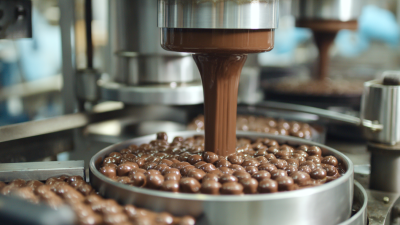
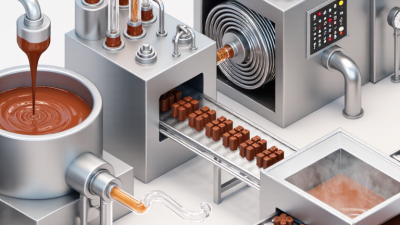
A chocolate depositing machine is a production tool that measures and dispenses liquid chocolate into molds, trays, or onto a moving belt. Its job is more controlled than pouring by hand. A heated hopper keeps the chocolate workable, while a pump or piston sends measured portions through one or more nozzles. Some systems also move molds beneath the depositor or repeat a programmed pattern.

The machine does not automatically make chocolate ready to deposit. Chocolate usually needs proper melting and tempering before it reaches the hopper. Temperature, flow rate, nozzle size, and deposit weight all affect the result. A small temperature change can make chocolate thicken, lose its shine, or fill a mold unevenly. On the production floor, operators often check the first few pieces by eye and by weight. That simple check catches problems early.

Depositors can make bars, filled shells, buttons, and other molded pieces, depending on their setup. For filled products, a line may deposit a chocolate shell, allow it to set, add filling, then cover it with another layer. The process sounds tidy. It can still be fussy. Nozzles may drip, molds may arrive slightly misaligned, and recipes with inclusions can behave differently from plain chocolate. Choosing equipment means matching its portion range and cleaning requirements to the actual product, not just its advertised output.

How Chocolate Depositing Machines Work

How Chocolate Depositing Machines Work

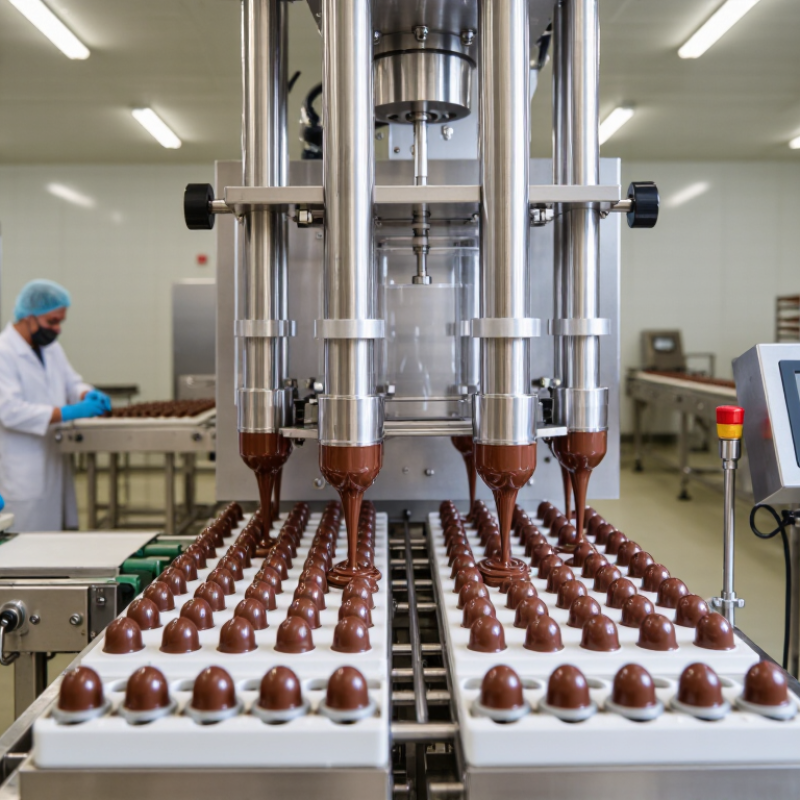
A chocolate depositing machine portions liquid chocolate into molds with controlled timing and volume. Tempered chocolate sits in a heated hopper, where gentle warmth helps maintain its flow. A pump or piston then pushes measured amounts through nozzles. The chocolate lands in cavities below. Small timing changes can affect fill levels.

The molds travel beneath the depositor, either by conveyor or in batches. Some machines use a vibrating table after filling to release trapped air and help chocolate settle into corners. A cooling tunnel then sets the pieces. Temperature matters, but it is not the whole story. Chocolate viscosity, nozzle size, and deposit speed also shape the result.

Operators usually adjust the settings for each recipe and mold. A thin shell needs a different deposit pattern than a solid piece with nuts or crisped rice. Even a well-calibrated machine may need small corrections when room conditions change. That part is easy to underestimate. If the chocolate is too thick, deposits may look uneven; too warm, and the finished pieces may take longer to set. Regular checks of temperature, portion weight, and mold alignment help keep production consistent.

The Main Types of Chocolate Depositing Machines

The Main Types of Chocolate Depositing Machines

Chocolate depositing machines differ in how they portion and place tempered chocolate. Piston depositors use measured strokes to fill molds with drops, bars, or praline shells. They suit recipes with steady viscosity and repeatable batch sizes. A warm nozzle helps prevent thick chocolate from setting during production. Small batches matter. Operators should check portion weight and mold alignment, not rely on machine settings alone.

Servo-controlled depositors adjust stroke length and speed electronically. This can improve accuracy when changing deposit sizes or running multiple nozzles. They are useful for products needing consistent weights, such as filled chocolates or molded tablets. One-shot machines deposit the shell and filling together, often in one coordinated cycle. Their output depends on filling flow and chocolate consistency; a dense filling may need different settings from a fluid center. Setup takes care.

Continuous depositors lay chocolate onto a moving belt or sheet, making them suitable for slabs, chips, and some bar formats. They can support higher output, but require space and careful control of belt speed, cooling, and chocolate temperature. There is no universal best type. Match the machine to product shape, daily volume, changeover needs, and the team’s cleaning routine. A specification sheet cannot show every awkward adjustment on a real shift.

What Is the Best Chocolate Depositing Machine in 2026? - The Main Types of Chocolate Depositing Machines

Machine Type How It Works Best Suited For Key Advantages Main Considerations Best Choice When...
Manual or Bench-Top Depositor A hand-operated or simple pneumatic piston dispenses measured amounts of tempered chocolate into moulds. Small batches, product trials, artisan production, and businesses with limited floor space. Compact, relatively simple to operate, and suitable for frequent recipe or mould changes. Output and portion consistency depend more on operator technique; less suitable for sustained high-volume production. Flexibility and a lower production scale matter more than automation.
Semi-Automatic Piston Depositor A pump or piston doses chocolate into moulds, while an operator positions or advances trays and manages parts of the cycle. Small to medium production runs of moulded chocolates, bars, and simple filled products. More repeatable dosing than purely manual operation, with a moderate level of automation. Operators still handle some production steps; changeovers and tray handling can limit throughput. You need improved portion control without investing in a fully automated line.
Multi-Head Automatic Depositor Multiple depositing nozzles fill several mould cavities or rows in a controlled cycle, often integrated with mould conveying and vibration. Medium to high-volume production of bars, tablets, pralines, and other moulded products. Can provide consistent dosing and repeatable cycles across many cavities, with less manual handling. Requires compatible moulds, setup, cleaning, and control of chocolate temperature and viscosity. Production is regular and the same mould formats are run often enough to justify automation.
One-Shot Depositor Separate chocolate streams are deposited together so a shell and filling are formed in one depositing step. Filled pralines and other moulded products requiring a chocolate exterior and a distinct centre. Can reduce separate shelling and filling steps and help produce consistent centre-to-shell proportions. Filling and chocolate must be compatible with the machine and process; recipes and deposit settings need careful control. Filled products are a core part of the range and one-step depositing suits their design.
Shell-Moulding Depositor Deposits chocolate into moulds to form shells; excess chocolate is removed or drained before the shells are filled and sealed. Hollow or filled moulded chocolates that need a defined chocolate shell. Supports controlled shell formation and a wide range of moulded shapes and fillings. Shelling, filling, cooling, and closing are separate process stages unless combined in a larger line. The product design depends on a distinct shell and the production process can accommodate multiple stages.
Continuous Depositing Line Depositing equipment works with continuous mould or product conveying, with other process equipment arranged in line. Large, repeatable runs of standardised moulded products. Designed for continuous production and integration with upstream tempering and downstream cooling or demoulding. Needs careful line planning, compatible equipment, adequate space, and sufficient production demand. High, steady output and automation are more important than frequent small-batch changeovers.

Selection note: The best machine depends on product design, batch size, required dosing accuracy, mould format, available operators, and cleaning needs. Actual capacity and capabilities vary by machine configuration and chocolate formulation.

Key Criteria for Comparing Machines in 2026

The best chocolate depositing machine in 2026 depends on the product, batch size, and changeover frequency—not headline speed alone. The International Cocoa Organization’s 2022/23 statistics put global cocoa grindings at roughly five million tonnes, reflecting a large, varied production sector. For buyers, compare rated output with actual performance on your recipes. Ask suppliers to run the same chocolate, mould, and deposit weight during a witnessed trial.

Check deposit accuracy, temperature control, and the time needed to clean and switch products. A steady stream of uniform pieces matters more than a peak-speed figure if the line pauses for adjustments. Inspect nozzles and heated lines closely; small residue can create rework and longer cleaning. Small details matter. Also compare operator access, spare-part availability, and the clarity of service documentation. There is no perfect scorecard: a compact machine may suit frequent small runs, while a larger line may fit stable, high-volume production.

Tips: Bring your own chocolate and moulds to the acceptance test. Record output, weight variation, restart time, and cleaning duration across several runs. Ask for the test conditions in writing. One trial is useful, but real shifts can be less tidy.

What Is the Best Chocolate Depositing Machine in 2026?

Key criteria for comparing machines

Suggested evaluation weights for a general-purpose comparison, not measured market data. Prioritize depositing accuracy and repeatability, then temperature control and throughput. Adjust the weighting to match your products, production volume, cleaning needs, and service requirements.

How to Choose the Best Machine for Your Production Needs

Choosing the best chocolate depositing machine starts with the products you actually make. A line producing filled pralines needs different dosing control from one making uniform chocolate bars. List each product’s weight, dimensions, filling, and daily output before comparing equipment. Small trials can reveal whether deposits hold their shape or spread too far.

Match the depositor’s capacity to your real production pace, not an optimistic target. Check nozzle count, portion accuracy, hopper size, and how quickly operators can adjust settings. Chocolate temperature and viscosity affect flow, so ask how the machine maintains steady depositing during a full shift. That matters. A fast machine can still create costly variation if portions drift or fillings land off-center.

Consider changeovers and cleaning alongside output. Removable parts, accessible surfaces, and straightforward controls may save more time than a higher top speed. Confirm that the machine fits your available floor space, power supply, and cooling setup. Ask for a production test using your own recipe and molds, then inspect the results after cooling. Not always. A demonstration with easy-flowing chocolate may not reflect your daily work. Record setup time, waste, deposit consistency, and operator feedback; one overlooked detail can change the right choice.