Top 10 Chocolate Machine Manufacturers in China
Choosing a Chocolate machine manufacturer in China requires more than comparing prices and polished product photographs. A tempering unit, an enrobing line, and a ball mill solve different production problems. Details matter. For a small workshop, cleaning time and minimum batch size can outweigh maximum hourly output. A larger factory may prioritize temperature stability, continuous operation, and integration with existing cooling tunnels.
Chocolate manufacturing pioneer Milton Hershey offered a principle relevant to equipment selection: “Give them quality. That’s the best kind of advertising in the world.” His words provide a useful standard for evaluating machinery suppliers, although they do not endorse any Chinese manufacturer. Quality needs evidence. Request food-contact material specifications, electrical documentation appropriate to your market, and a trial using your own chocolate recipe. During testing, check coating consistency, chocolate temperature, product changeover time, and access to surfaces that require cleaning.
This guide examines ten Chinese chocolate equipment manufacturers through practical purchasing criteria, including machine suitability, technical support, customization, and spare-parts availability. The aim is to help buyers build a shortlist, rather than suggest that one supplier suits every production line. A quoted capacity of 100 kilograms per hour, for example, needs context: recipe, operating conditions, and finished-product requirements affect output. There is room for uncertainty here. Published specifications cannot establish long-term reliability, and an impressive demonstration may overlook the cleaning work between batches. Treat each manufacturer’s claims as a starting point, then verify the details that affect your daily production.
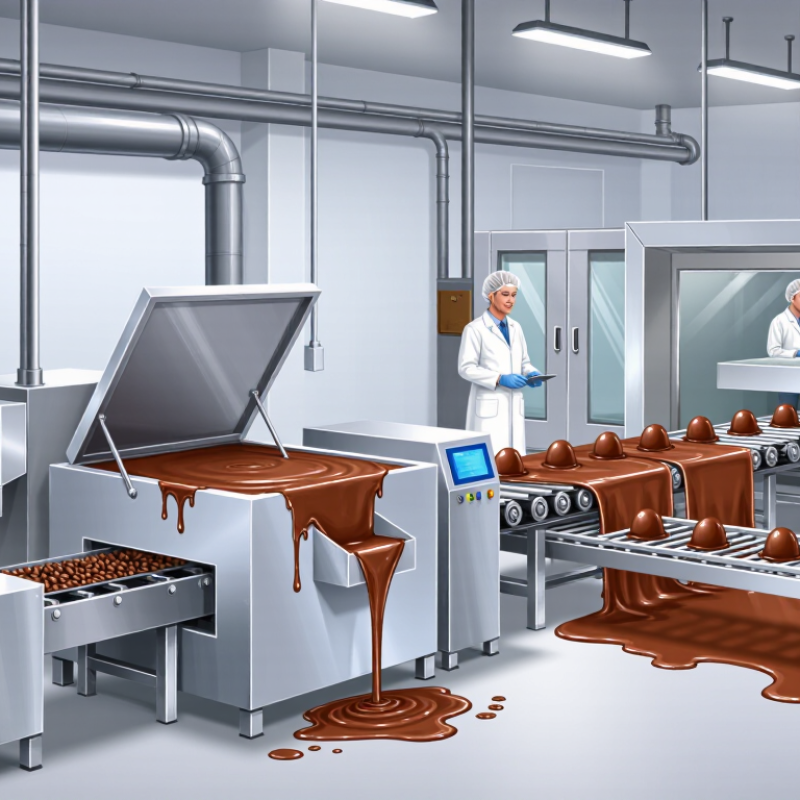
Main Types and Applications of Chocolate Machines
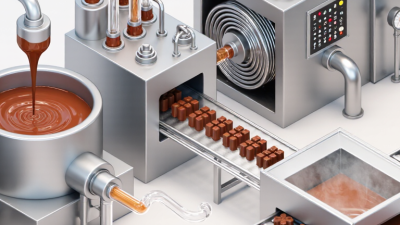
Chocolate machines handle distinct jobs: refining, conching, tempering, depositing, and coating.
Scale matters. The International Cocoa Organization’s February 2024 report forecast global cocoa grindings of 4.779 million tonnes for 2023/24. It also projected cocoa production of 4.449 million tonnes, highlighting pressure on raw material availability. These figures provide market context; equipment capacity still depends on recipes, operating hours, and product formats.
Refiners reduce particle size, commonly targeting roughly 20–30 micrometres for smooth chocolate, depending on formulation and measurement method.
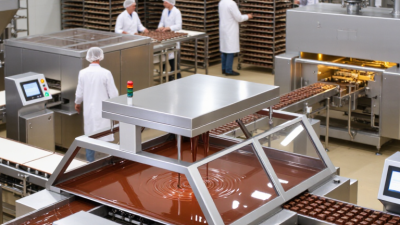
Conches develop flavour while helping remove moisture and volatile acids through controlled mixing, heat, and ventilation. Tempering machines manage cocoa butter crystallisation to support gloss, snap, and mould release. For dark chocolate, working temperatures often sit around 31–32°C, although formulations require individual settings. Depositors portion chocolate into moulds for bars, shells, and filled pieces. Enrobers coat biscuits, wafers, and confectionery centres before cooling tunnels set the coating.
Test your recipe.
When comparing Chinese manufacturers, request trials using your actual chocolate and intended fillings. A successful demonstration with plain chocolate may reveal little about depositing a thick nut paste. Check deposited weight variation, coating coverage, changeover time, and access for cleaning. More automation can reduce repetitive handling, but small batches may make cleaning and product losses disproportionately expensive. A glossy sample looks convincing; it still leaves questions about performance across a full production shift.
Criteria for Evaluating Chinese Chocolate Machine Manufacturers
Evaluating Chinese chocolate machine manufacturers requires evidence from production trials, inspection records, and service documentation. Cocoa losses deserve particular attention. The International Cocoa Organization’s May 2024 Quarterly Bulletin projected a 439,000-tonne cocoa deficit for the 2023/24 season. It also forecast an 11.7% decline in global cocoa production. These historical projections explain why material efficiency matters, although they cannot establish any supplier’s quality. Measure the waste. Ask suppliers to weigh chocolate remaining in pipes, pumps, and depositing heads after drainage.
Request a trial using your actual recipe, including its intended fat content and inclusions. During a tempering trial, record temperature stability, throughput, and temper measurements using a calibrated instrument. Check deposited weights across multiple nozzles and inspect cooled pieces for streaks, bubbles, and inconsistent release. Repeat after restarting. A polished demonstration can conceal problems that appear after pauses or recipe changes. Ask for food-contact material certificates and inspect welds, seals, and areas where product can accumulate.
Compare manufacturers using documented acceptance criteria rather than catalogue capacity alone. Specify acceptable weight variation, cleaning time, energy consumption per kilogram, and spare-parts delivery commitments. Request references from facilities processing similar products, then verify installation dates and maintenance experience. Factory trials remain imperfect: short runs rarely reveal seasonal cooling limitations or long-term seal wear. Where possible, include an extended production run and define responsibility for correcting failures before final acceptance.
Profiles of the Top 10 Chocolate Machine Manufacturers in China
Profiles of China’s leading chocolate machine manufacturers should explain production capabilities, hygiene controls, and service support. Scale alone proves little.
The International Cocoa Organization’s May 2024 bulletin forecast a 439,000-tonne global cocoa deficit for the 2023/24 season. This was a forecast, not a final figure.
Such supply pressure makes chocolate recovery, accurate dosing, and reliable temperature control relevant purchasing criteria. However, equipment specifications alone cannot establish a credible top-ten ranking.
Ten useful manufacturer profiles cover different factory needs.
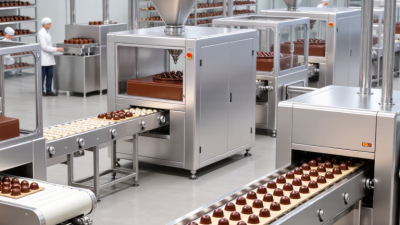
Complete-line builders coordinate production from ingredient preparation through depositing and cooling.
Refiner specialists focus on particle-size reduction, while conche manufacturers address mixing, moisture removal, and flavour development.
Tempering specialists control crystallisation; depositor manufacturers prioritise portion weight and mould alignment.
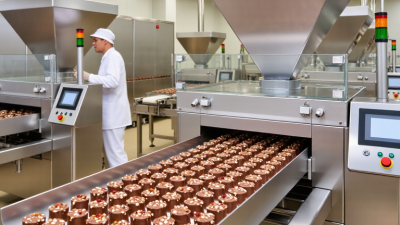
Enrobing suppliers manage coating thickness and bottom coverage.
Cooling-tunnel manufacturers balance airflow, temperature, and condensation risks.
Moulding-system builders integrate vibration and demoulding.
Compact-equipment manufacturers serve pilot batches and small workshops.
Custom-line integrators adapt layouts to existing utilities and floor space.
These categories can overlap. A versatile supplier may still lack experience with your particular recipe.
Tips:
- Request trials using your own chocolate, moulds, and target production speed.
- Measure rejects, changeover time, and recoverable chocolate remaining after shutdown.
- Check food-contact material documentation and access for cleaning.
- Ask for references from factories running comparable products.
One demonstration is insufficient. A polished sample can conceal unstable performance during a full production shift.
Comparison of Equipment, Production Capacity, and Technical Support
Comparing ten Chinese chocolate machine manufacturers requires more than checking equipment prices. Equipment fit matters. Match melting tanks, refiners, tempering units, and depositors to your actual recipes. Ask suppliers to process your chocolate during a witnessed factory trial. Record particle size, temper stability, deposited weight, and changeover time. A machine handling plain chocolate may perform differently with nuts or thick fillings. For molded products, inspect demolding consistency and cooling performance at your intended room temperature.
Capacity needs context. The ICCO Quarterly Bulletin of Cocoa Statistics, published in November 2024, estimated 2023/24 global cocoa production at approximately 4.38 million tonnes. Estimated grindings reached approximately 4.82 million tonnes, highlighting pressure on raw material availability. Those figures support careful purchasing decisions; they do not establish any machine’s efficiency. Request measured saleable output per hour, alongside startup waste and cleaning downtime. A quoted 500 kg/h means little without the recipe, operating conditions, and rejection rate. Compare energy consumption per kilogram under matching trial conditions.
Technical support deserves equal scrutiny when comparing manufacturers. Request electrical drawings, maintenance schedules, spare-parts lists, and written response commitments before signing. Check whether remote diagnostics require additional fees or specific internet access. Ask who supplies replacement sensors and how long delivery normally takes. Factory trials remain imperfect because brief demonstrations rarely reveal wear or recurring stoppages. Where possible, validate service claims through existing customers operating comparable equipment.
Comparing Chocolate Machines in China: Temperature-Control Benchmarks
Temperature control is a useful technical criterion when comparing chocolate equipment.
This chart shows three commonly used reference temperatures in a conventional dark
chocolate tempering cycle. These are process benchmarks, with no company or brand data.
Melting removes existing cocoa butter crystal structures. Cooling promotes crystal
formation, and controlled reheating helps retain the stable crystals needed for a
glossy finish and a clean snap. Actual settings depend on the chocolate formulation
and the equipment supplier’s recommended process.
When comparing suppliers, request temperature-control accuracy, rated throughput in
kilograms per hour, and technical support terms separately. These temperatures describe
the chocolate process; they do not measure machine capacity or rank manufacturers.
Reference:
Chocolate tempering: crystal formation and temperature control
.
Values are representative process reference points, not universal operating specifications.