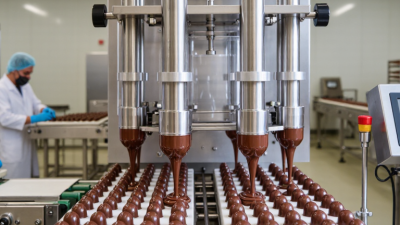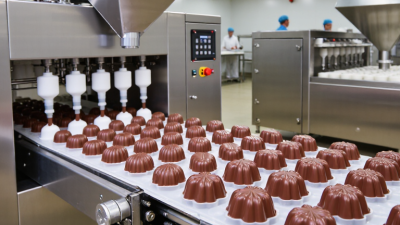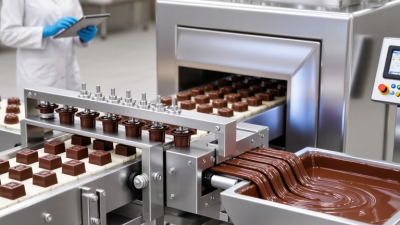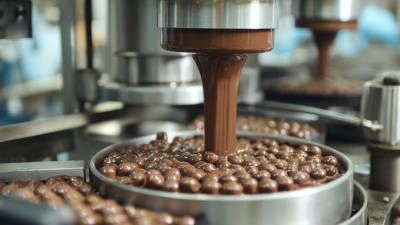
Choosing a Chocolate depositing machine starts with the product, not the machine’s advertised speed. A line making solid discs has different needs from one producing filled pralines or layered bars. Think about chocolate viscosity, deposit weight, mold dimensions, and daily output. A small test can reveal more than a brochure. Watch how cleanly the chocolate releases, whether portions stay consistent, and how much adjustment operators need.
Tempering and depositing must work together. If the chocolate reaches the depositor at the wrong temperature, even precise controls may not prevent dull surfaces or uneven shapes. Check whether the machine supports your chocolate types and mold formats, and ask how quickly settings can be changed. Consider hopper capacity, nozzle layout, cleaning access, and the space required around the equipment. These details affect daily work. They are easy to overlook.
Do not compare machines by output figures alone. Ask suppliers for a product trial using your recipe, molds, and target deposit weight. Request clear information about maintenance, spare parts, training, and service response times. A technically capable machine may still be a poor fit if operators find it difficult to clean or adjust. There is no universal best choice. Budget matters, but so do product consistency and downtime. Some requirements may only become clear after testing; that is a reason to ask better questions, not to guess.
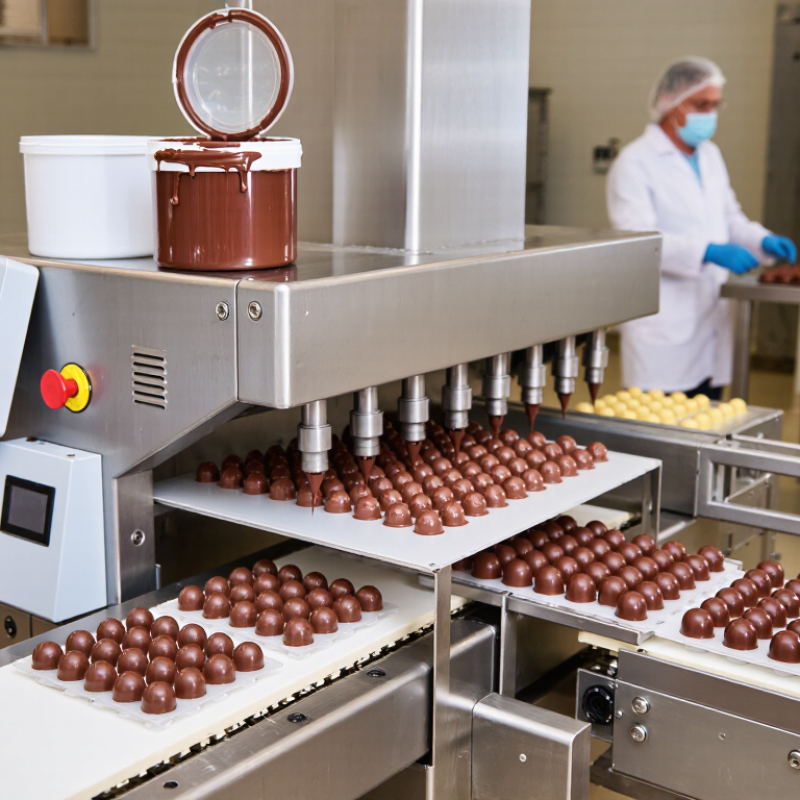
Before comparing depositing machines, document what you actually plan to make. List each product, from solid pralines to filled bars, and note its mold dimensions and deposit weight. A 12-gram piece and a 40-gram piece may need different nozzle setups and dosing ranges. Small details matter.
Record your target output per hour, expected shifts, and how often recipes will change. Include chocolate type, working temperature, viscosity, and any nuts or crisp inclusions. These affect flow, deposit accuracy, and nozzle clearance. If possible, test the actual recipe; a chocolate sample that pours well in a cup may behave differently through several heated nozzles.
Estimate peak demand, not just today’s average. Ask suppliers to demonstrate the machine using your mold and a representative batch, then check piece weights across the tray. Keep the results. Temperature control matters, but so do heating recovery and steady feeding during a long run. Consider cleaning time, changeovers, operator access, and available floor space. These are easy to underestimate. I have seen production plans focus on speed and overlook washdown time; the schedule then looks good only on paper. Leave room for a little uncertainty, and revise the figures after trial runs.
A chocolate depositor may use piston, pump, or servo-controlled metering. Piston systems dispense measured portions into molds and suit small or variable batches. Pump systems support steady production, but need consistent chocolate temperature and flow. Servo controls can improve portion repeatability. They also add complexity, so consider cleaning and operator training.
The depositing method matters just as much. A single deposit fills a mold with one chocolate or mixture. A one-shot method places a chocolate shell and filling together, which can reduce production steps. For filled pieces, check whether the machine handles thick centers without clogging. For bars, compare nozzle spacing with mold dimensions. A mismatch can leave uneven edges or extra cleanup. There is no perfect setup; a faster cycle may be harder to change between recipes.
Tips: Test with your own chocolate. Check deposit weight across several cavities, not just one. Ask how quickly parts can be removed for cleaning. A short trial may reveal issues that a specification sheet misses.
Choose capacity from your real production schedule, not the machine’s headline output. Compare rated kilograms per hour with the weight and shape of each piece. Peak output can mislead. A line running short batches may spend more time filling and cleaning than depositing. Check hopper volume, refill access, and whether the machine can keep chocolate moving at your planned pace.
Precision depends on more than the control panel. Look at dosing method, nozzle spacing, and adjustment range for deposit weight. Ask how repeatability is tested, and request a trial using your own recipe and moulds. Small differences become visible on a row of shells. Viscosity and temperature also affect flow, so verify that the depositor works with your tempering process. A brochure may list accuracy, yet omit the conditions behind that figure.
Read technical specifications alongside the factory layout. Confirm electrical supply, heating zones, footprint, conveyor height, and clearance for cleaning. Check which parts contact chocolate and how quickly operators can remove them. A machine with more nozzles may increase output, but it can also complicate changeovers. There is rarely a perfect setting; sometimes a slightly slower, easier-to-clean unit fits the shift better. Ask for operating limits in writing, then compare them with the products you actually make.
A depositing machine should match the chocolate, not just the target output. Dark, milk, and compound chocolate can behave differently as temperature changes. Ask the supplier to run your actual recipe through the proposed pump, heated hopper, and depositor. Check whether deposits stay even and release cleanly from the mould. Grand View Research valued the global chocolate market at $119.39 billion in 2023 and forecasts 4.7% annual growth through 2030. That growth can make added capacity attractive, but a faster line is not useful if tempering or dosing becomes inconsistent.
Hygiene needs equal attention. Look for accessible product-contact surfaces, removable nozzles, and drainage that does not leave chocolate in corners. CDC estimates that 48 million people in the United States get foodborne illnesses each year; this broad estimate is not specific to chocolate, but it underlines why cleaning routines matter. Automation should suit the crew and the product range. A touchscreen recipe setting, temperature alarms, and controlled dosing can reduce manual adjustments between batches. Keep the changeover in the trial. Small details matter. I would not rely on a brochure alone: observe a full cleaning cycle, then check how long the machine takes to return to stable deposits.
How to Choose a Chocolate Depositing Machine
Assess Supplier Support, Maintenance, and Total Cost of Ownership
A chocolate depositing machine may fit your budget on paper, then become costly during a busy production week. Ask suppliers how quickly they respond to service requests and whether technicians can support your operating hours. A useful support plan lists response times, available training, and which parts are stocked locally. Request a sample maintenance schedule, not just a promise of easy upkeep. Small details matter. Who cleans the depositor head after a recipe change? How long does a nozzle replacement take? These questions reveal whether the supplier understands daily production, not only the sales demonstration.
Compare total cost of ownership over several years. Include installation, operator training, spare parts, energy use, cleaning time, and planned servicing. Ask for the recommended replacement intervals for seals, hoses, and other wear parts, then check their prices and lead times. A lower purchase price can be misleading if routine maintenance requires long shutdowns. Keep the calculation realistic: actual output and cleaning needs may differ from estimates. A spreadsheet can miss that. It is also worth asking what support remains available after the warranty ends, and whether maintenance instructions are clear enough for your own team to follow.
| How to Choose a Chocolate Depositing Machine - Assess Supplier Support, Maintenance, and Total Cost of Ownership | ||||
|---|---|---|---|---|
| Assessment Area | What to Evaluate | Evidence to Request or Record | Weight | Score (0–5) |
| Supplier support | Availability of technical assistance, service hours, response commitments, and escalation process. | Written support terms; available contact channels; stated response and dispatch targets; service coverage for the installation location. | 20% | — |
| Maintenance requirements | Routine inspection, lubrication, adjustment, calibration, and preventive-maintenance tasks. | Maintenance schedule, task descriptions, required labor hours, recommended skills, and any special tools. | 15% | — |
| Spare parts | Availability and lead time for wear parts and critical components. | Recommended spare-parts list, quoted prices, stock location, lead times, and stated parts-support period. | 10% | — |
| Training and documentation | Operator and maintenance training, manuals, troubleshooting guidance, and language availability. | Training scope and format; manuals; electrical and mechanical documentation; training and travel charges. | 5% | — |
| Reliability and downtime | Expected production availability and the steps needed to diagnose and recover from common faults. | Applicable operating references, fault and recovery procedures, service records if available, and any written availability commitments. | 10% | — |
| Cleaning and changeover | Time, labor, and procedures required for cleaning and product or mold changeovers. | Demonstration under representative conditions; cleaning instructions; changeover steps; food-contact material and sanitation documentation. | 10% | — |
| Utilities and operating costs | Electrical, compressed-air, cooling, and other site requirements, plus expected operating consumption. | Utility specifications and consumption data for the proposed configuration; confirm assumptions against the planned duty cycle and site rates. | 5% | — |
| Purchase and installation | Machine price and costs needed to deliver, install, commission, and validate the equipment. | Itemized quotation covering options, shipping, installation, commissioning, site work, and acceptance testing. | 10% | — |
| Consumables and wear items | Recurring costs for items that require replacement during the selected ownership period. | Itemized wear-parts list, replacement guidance, quoted prices, and the assumptions used to estimate replacement frequency. | 5% | — |
| Warranty and exclusions | Warranty duration, coverage, claim process, and exclusions for labor, travel, parts, or misuse. | Written warranty terms, start date, covered components, claim response process, and costs not covered. | 5% | — |
| End-of-life value | Potential resale, trade-in, reuse, or disposal costs at the end of the evaluation period. | Documented trade-in terms if available; otherwise record the organization’s estimate and the basis for it. | 5% | — |
| Total evaluation weight | 100% | — | ||
| Total cost of ownership (TCO): Compare proposals over the same chosen evaluation period. Include purchase price, delivery and installation, training, utilities, planned maintenance, spare parts, consumables, expected downtime costs where measurable, and end-of-life costs; subtract any evidenced residual value. Use quoted or documented figures and state all assumptions. | ||||
| Scoring guide: Rate each criterion from 0 (no evidence or does not meet requirements) to 5 (strong, documented fit). Weighted score = criterion score ÷ 5 × criterion weight. The weights are an editable example; adjust them to match production priorities. | ||||