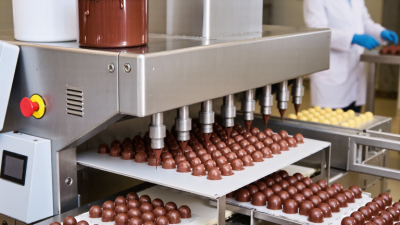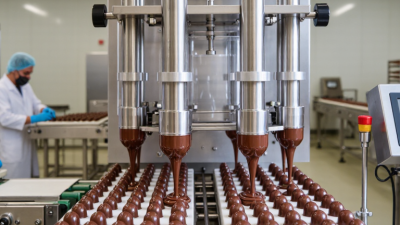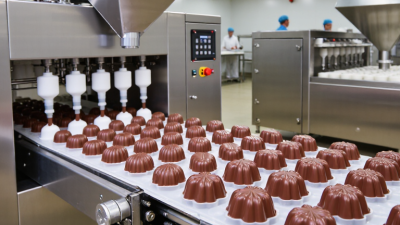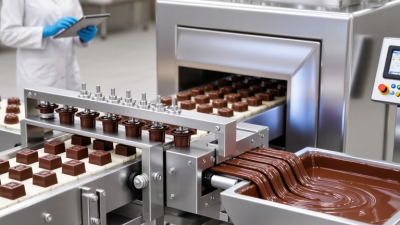
A Chocolate depositing machine places measured portions of tempered chocolate into molds, trays, or onto a moving production line. Its work looks simple: chocolate flows through heated pipes and nozzles, then lands in precise cavities. But small changes in temperature, viscosity, or timing can alter weight, shape, and surface finish. A clean deposit matters. So does a steady one.
Food engineer Richard W. Hartel is a recognized researcher in chocolate processing. Without a verifiable source for his exact words, this introduction cannot responsibly present a sentence as his direct quotation. A careful paraphrase of the engineering principle is: “Consistent chocolate products depend on controlling the process, not merely choosing the recipe.” That distinction helps explain why depositing equipment combines temperature control, accurate dosing, and repeatable movement. Operators may adjust nozzle height or deposit time when a mold fills unevenly. They also monitor chocolate flow, because a glossy surface can hide inconsistent weights. The machine is not a cure-all. Poor tempering or an unsuitable recipe can still create defects. There is a little room for judgment, too; real production rarely behaves as neatly as a diagram suggests. Understanding those limits makes it easier to assess machine types, key components, and production needs before selecting equipment.
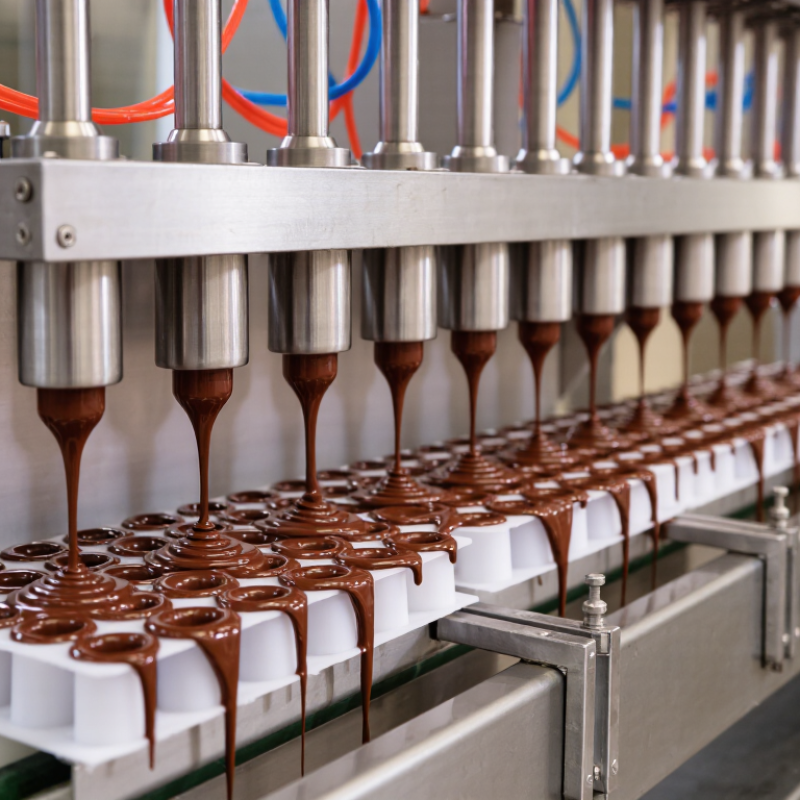
A chocolate depositing machine is equipment that places measured amounts of chocolate into molds or onto a production surface. It uses a hopper to hold chocolate and one or more nozzles or valves to control each deposit. The machine’s purpose is to make portions more consistent and production easier to repeat. That matters.
Depending on its setup, a depositor can fill mold cavities, create chocolate buttons, or add a measured layer to a confection. Operators usually coordinate it with properly prepared chocolate and a cooling stage; depositing alone does not guarantee a smooth finish or stable texture. A nozzle that is too warm, for example, may affect the deposit’s shape, while an inconsistent flow can leave cavities underfilled. Small details count.
The machine does not necessarily temper chocolate itself. Some production lines use separate equipment for that step, so the exact role depends on the configuration. In practice, staff still need to check portion weight, chocolate temperature, and nozzle cleanliness. The term can sound more exact than it is: machines vary, and settings often need adjustment for different recipes or molds. A depositor improves control, but it is not a substitute for process knowledge.
What Is a Chocolate Depositing Machine?
Main Components and Their Functions
A chocolate depositing machine portions liquid chocolate into molds, trays, or onto a moving belt. Its heated hopper holds the chocolate and helps maintain flow. A slow agitator reduces settling and keeps the mixture more even. Temperature matters. Too much heat can affect chocolate quality, while cooler chocolate may thicken inside the line.
A metering pump controls each portion, and heated pipes carry chocolate toward the depositing heads. Nozzles shape the output into drops, shells, or filled mold cavities. Below them, a conveyor positions molds under each deposit. Sensors and a control panel coordinate timing, volume, and temperature. Some lines connect to a separate tempering unit; the depositor alone does not guarantee properly tempered chocolate. The ICCO’s February 2024 bulletin projected a 374,000-tonne cocoa deficit for the 2023/24 season, underscoring why accurate portioning and reduced product loss matter when raw materials are tight.
Tips: Check nozzle openings and temperature readings before production. A small blockage can leave one cavity short. Keep a written record of settings; yesterday’s setup may not suit today’s chocolate. A polished control screen cannot fix poor cleaning or inconsistent tempering.
What Is a Chocolate Depositing Machine?
How the Chocolate Depositing Process Works
A chocolate depositing machine portions tempered chocolate into molds or onto a moving belt. The operator fills a heated hopper, where gentle temperature control helps keep the chocolate fluid. A pump or piston sends measured portions through nozzles. Rows of glossy drops land in cavities, ready for shaping or filling. Small changes matter.
The chocolate must flow consistently. Temperature, viscosity, nozzle size, and deposit weight all affect the result. Some lines vibrate the molds to release trapped air; others send them directly into a cooling tunnel. The European Cocoa Association reported 350,739 tonnes of cocoa grindings in Europe during the fourth quarter of 2023. That industry figure shows the scale of processing, though it does not measure depositor use. In production, checking deposit weights and temperatures helps catch variation early. Still, a warm mold can soften the deposit, and not every line handles this equally well.
Tips: Test a few molds before a full run. Check the first and last deposits for weight and shape. Keep a record of settings; small adjustments can be easy to forget.
| Process Stage | What the Machine Does | Key Controls | Typical Operating Guidance | Result |
|---|---|---|---|---|
| Chocolate preparation | Keeps the melted chocolate flowing evenly before it reaches the depositing head. | Chocolate temperature, viscosity, and continuous mixing | Chocolate is melted and handled according to its recipe. Avoid overheating, which can affect flavor and texture. | A consistent supply of fluid chocolate for accurate depositing |
| Tempering | Coordinates heating, cooling, and reheating to form stable cocoa-butter crystals. | Temperature profile, mixing, and temper condition | Common working-temperature ranges are approximately 31–32°C for dark, 29–30°C for milk, and 28–29°C for white chocolate. The recipe and equipment determine the exact settings. | Chocolate that sets with a smooth surface, good snap, and reduced risk of fat bloom |
| Mould preparation | Positions clean moulds beneath the depositing nozzles, usually on a conveyor. | Mould cleanliness, alignment, and temperature | Moulds should be clean and dry. Their temperature should be controlled to suit the chocolate and production environment. | Consistent placement and fewer surface defects |
| Depositing | Dispenses measured quantities of chocolate through one or more nozzles into mould cavities. | Deposit weight, nozzle timing, flow rate, and mould position | Settings are adjusted for cavity size, product design, and chocolate flow. Regular weight checks help verify dose consistency. | Uniformly filled cavities or accurately portioned chocolate pieces |
| Vibration or levelling | Applies controlled vibration or levelling to help chocolate spread through each cavity and release trapped air. | Vibration intensity, duration, and mould level | Use only enough vibration to level the deposit and reduce visible air pockets; excessive vibration can cause splashing or uneven distribution. | More even filling and fewer air voids |
| Cooling and setting | Moves filled moulds through a cooling tunnel so the chocolate crystallizes and firms. | Air temperature, airflow, cooling time, and humidity | Cooling conditions depend on product thickness, recipe, and line speed. A gradual, controlled cooling profile is generally preferred over abrupt temperature changes. | Chocolate that is firm enough for removal from the mould |
| Demoulding and inspection | Releases set pieces from the mould and allows operators or inspection systems to check the finished product. | Product firmness, mould release, appearance, and piece weight | Pieces should be sufficiently set before demoulding. Check for incomplete fills, air pockets, cracks, and surface defects. | Finished pieces ready for handling, packaging, or the next production step |
Note: Temperature ranges are indicative working guidance, not universal settings. Actual parameters vary with chocolate formulation, mould design, equipment, and production conditions.
A chocolate depositing machine delivers measured portions of tempered chocolate into moulds, trays, or onto a moving line. Its main job is repeatable dosing. Operators adjust deposit weight, flow, and timing to suit the recipe and product shape. Small changes matter.
Common types include piston depositors, servo-controlled depositors, and continuous multi-nozzle systems. Piston models suit straightforward portions, such as solid chocolate pieces. Servo systems allow more precise control over dose and speed, which helps when mould cavities vary in size. Continuous systems place many deposits across a wide production line. Some machines also deposit a chocolate shell before another ingredient is added, creating filled centres or pralines.
Applications range from moulded bars and bite-sized pieces to filled chocolates and bakery toppings. A bakery may use a depositor to add neat chocolate drops to biscuits; a confectionery line may fill dozens of mould cavities in one pass. The right setup depends on output, chocolate viscosity, and how often products change. Cleaning and temperature control deserve equal attention. A fast machine is not automatically a good fit. The neat diagrams can make setup look easier than it is, especially when a recipe behaves differently after a temperature shift.
Chocolate depositing machines dispense measured amounts of tempered chocolate into molds or onto products. Bench-top depositors suit small batches and confectionery trials; piston and servo-controlled multi-nozzle machines are used for molded bars, pralines, filled shells, and higher-volume production.
Typical chocolate working temperatures for depositing
These approximate setpoints help illustrate why temperature control matters: chocolate must remain fluid enough to deposit while retaining a stable temper. Actual working ranges vary by recipe and manufacturer; common ranges are approximately 31–32°C for dark, 29–30°C for milk, and 28–29°C for white chocolate.
What Is a Chocolate Depositing Machine?
Key Factors in Machine Selection and Operation
A chocolate depositing machine portions liquid chocolate into molds, trays, or shells. Choosing one starts with the product: thin coatings and thick fillings behave differently. Check whether the machine can maintain the chocolate’s required working temperature and handle its viscosity without uneven flow. Small details matter. Nozzle size and deposit accuracy affect the finished shape, weight, and appearance.
Match capacity to the actual production line, not an optimistic peak target. Consider batch size, available floor space, mold dimensions, and how quickly operators can reload molds. A faster line is not always better. If the depositing speed exceeds the team’s pace, chocolate may cool in the hopper or molds may arrive inconsistently. Ask how easily deposit volume and nozzle positions can be adjusted for different products.
During operation, monitor temperature and flow together; stable heat alone does not guarantee consistent portions. Keep nozzles clear, and inspect the first few deposits after each adjustment. Cleaning access matters, especially around pumps and heated parts where residue can build up. This part is easy to underestimate. Operators should follow the machine’s instructions and record useful settings, though those notes may need revision when room temperature or chocolate batches change.